
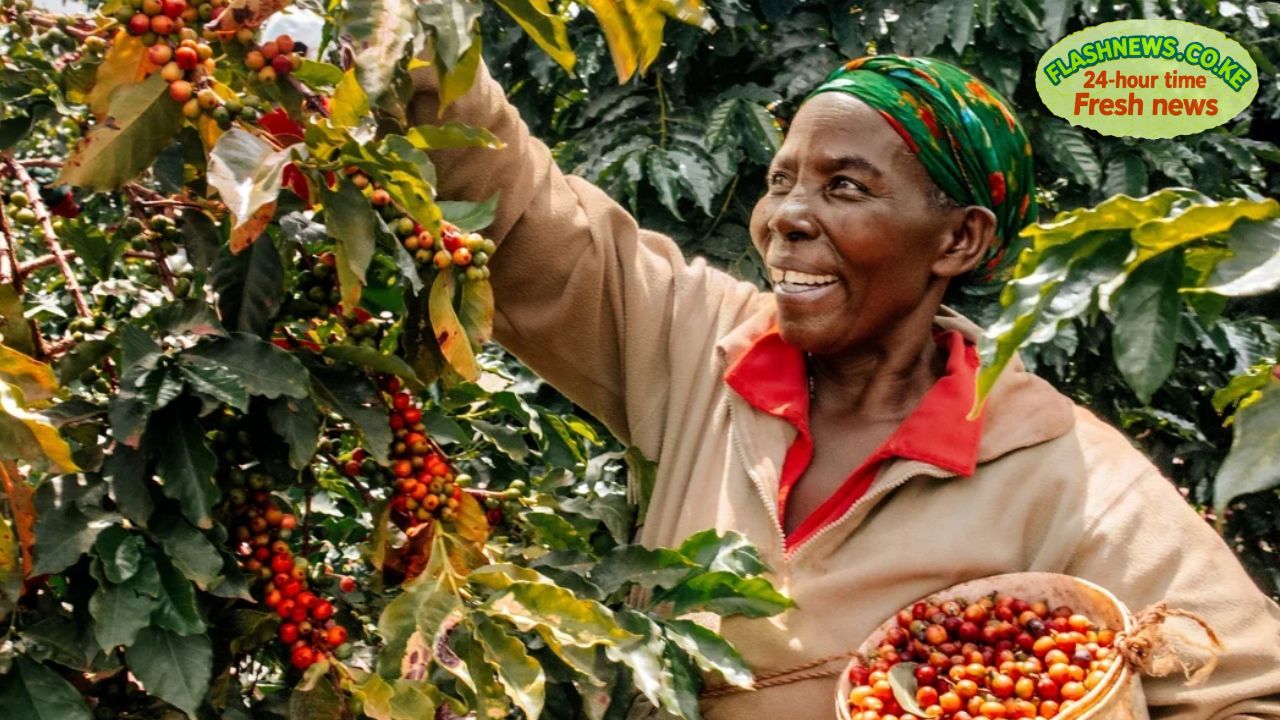
Coffee farming in Kenya can generate substantial income for farmers who understand how to manage their plantations, improve production and maintain the quality of their harvests.Coffee farming profits in Kenya How to Make Money From Coffee Farming in Kenya
Sign up to Flash News
Your info will be used in accordance with our Privacy Policy
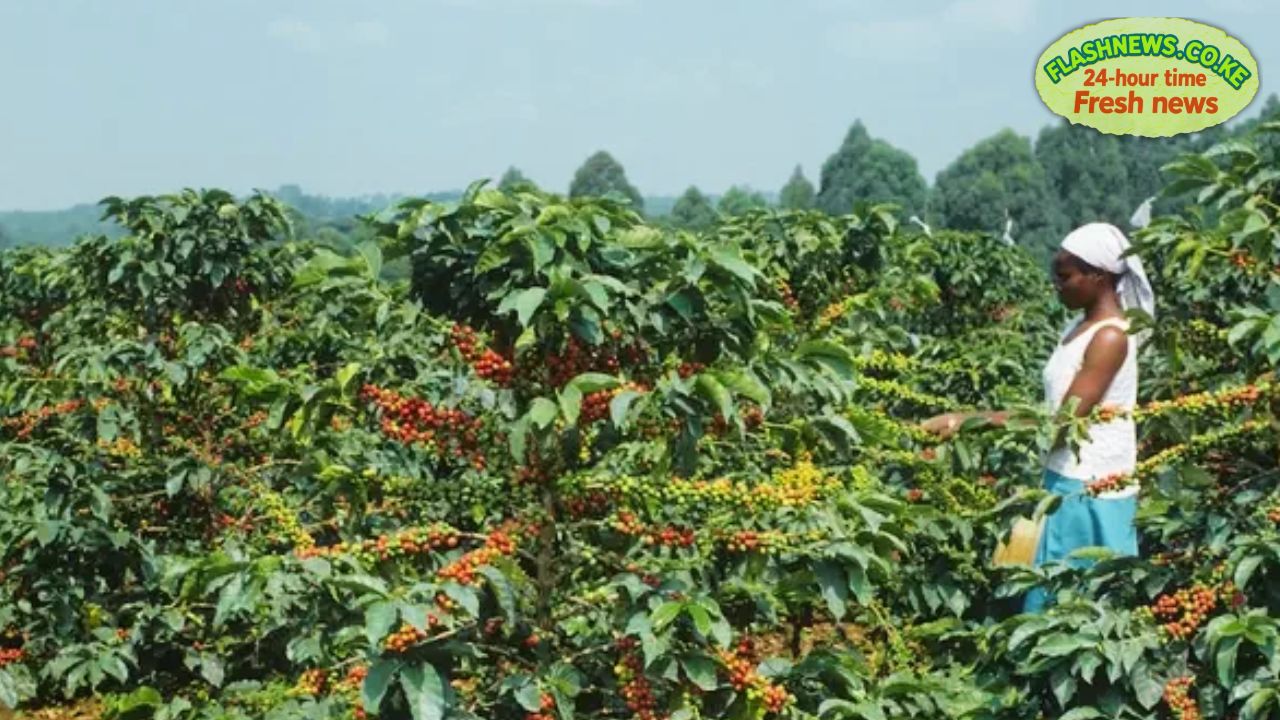
A Kiambu coffee farmer, Samuel Macharia, has demonstrated how proper management can transform a neglected family plantation into a productive agricultural business, offering lessons to Kenyans interested in investing in the crop.
Macharia shared his experience during the Co-op Youth Forum on Friday, November 20, 2026, explaining how he returned from Nairobi in 2021 following the death of his father to help care for his mother and grandmother.
Upon returning home, he discovered approximately 1,200 coffee trees that had been left in poor condition.
The plantation was producing only 128 kilogrammes of coffee, which fetched approximately Ksh50 per kilogramme at the time.
Instead of abandoning the farm and starting afresh, Macharia decided to learn how to manage the existing trees and improve their productivity.
Today, the plantation reportedly produces between 4,000kg and 6,000kg, with the coffee selling at approximately Ksh115 per kilogramme at his factory.
“Growing up, I saw coffee as a burden. Every morning we had to go in and pick coffee or even weed before school. Yet we never saw the money. At some point I realised there is something my dad did not teach me, coffee pays,” Macharia said.
His experience highlights the potential of rehabilitating existing coffee plantations instead of assuming that neglected farms have lost their commercial value.
How Much Money Can Coffee Farmers Make in Kenya?
According to Macharia, coffee can generate significant earnings for farmers who maintain productive trees and deliver quality produce to their cooperative factories.
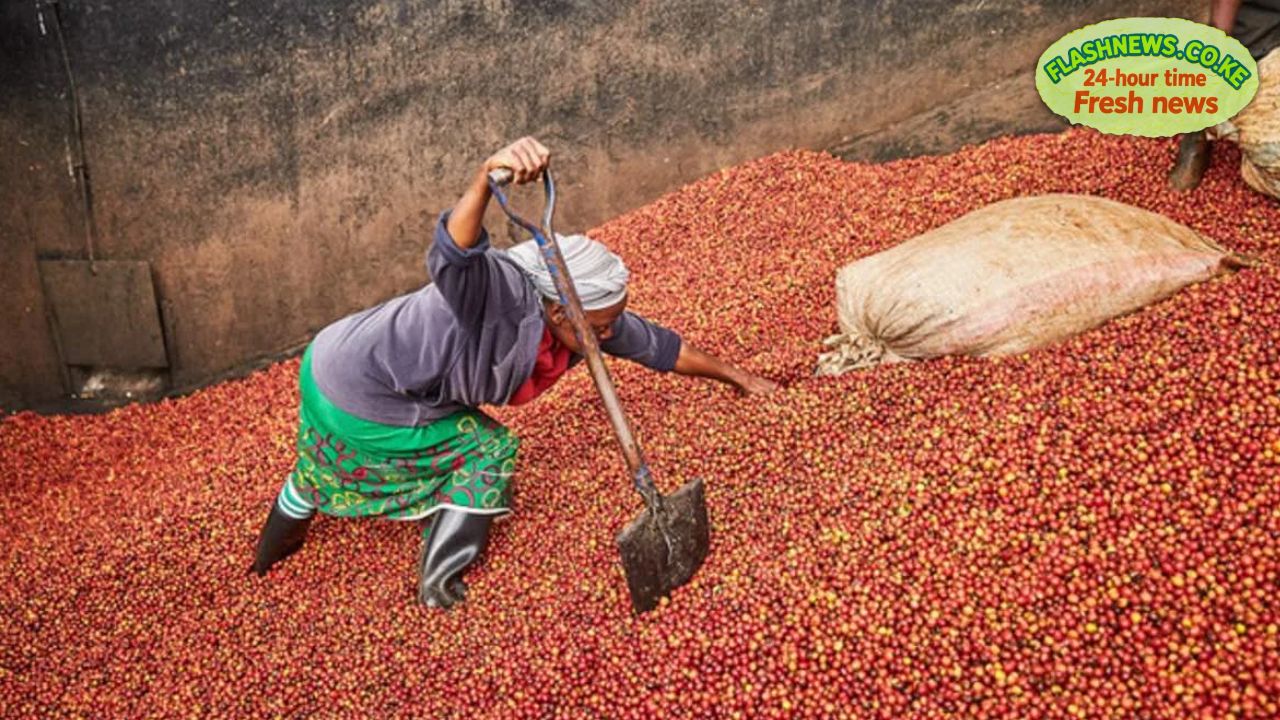
He revealed that he had seen a farmer earn as much as Ksh14 million from one season's coffee production.
The farmer, according to Macharia, was an ordinary cooperative member with approximately 5,000 coffee trees rather than a leader of the cooperative society.
He also mentioned other growers who earn Ksh1 million and Ksh2 million from their coffee plantations.
However, such earnings depend on several factors, including the number of productive trees, the quantity harvested, coffee quality, market prices and production costs.
Farmers should also distinguish between gross payments and actual profits because fertiliser, labour, harvesting, transport, processing and cooperative deductions affect the final amount received.
Recent market figures demonstrate the financial value of the industry.
According to the Kenya News Agency, coffee farmers earned approximately Ksh41.63 billion during the 2025/2026 coffee year through sales at the Nairobi Coffee Exchange.
The earnings came from approximately 47 million kilogrammes of coffee sold during the period, demonstrating the scale of the market available to Kenyan growers.
1. Test Your Soil Before Planting Coffee
One of Macharia's recommendations to farmers planning to establish coffee plantations is to conduct soil testing before purchasing seedlings and other farm inputs.
He said he takes soil samples to the Coffee Research Institute, where he pays approximately Ksh1,000 for testing.
The process helps farmers understand the condition of their land and identify the nutrients required to support healthy coffee growth.
Soil testing is important because different farms have different nutrient levels, acidity and physical conditions.
Planting coffee without understanding these factors can result in poor growth, unnecessary expenditure on fertiliser and disappointing harvests.
The Coffee Research Institute, under the Kenya Agricultural and Livestock Research Organization (KALRO), provides technical support and research on coffee production.
Farmers are encouraged to seek guidance from agricultural extension officers and qualified coffee specialists before deciding which fertilisers and soil amendments to apply.
A Kenya News Agency report on coffee farming also highlighted the importance of soil analysis in determining soil acidity and identifying missing nutrients before planting.
2. Rehabilitate Old Coffee Trees Instead of Removing Them
Macharia advises farmers with existing coffee plantations to consider rehabilitating poorly performing trees before investing in new seedlings.
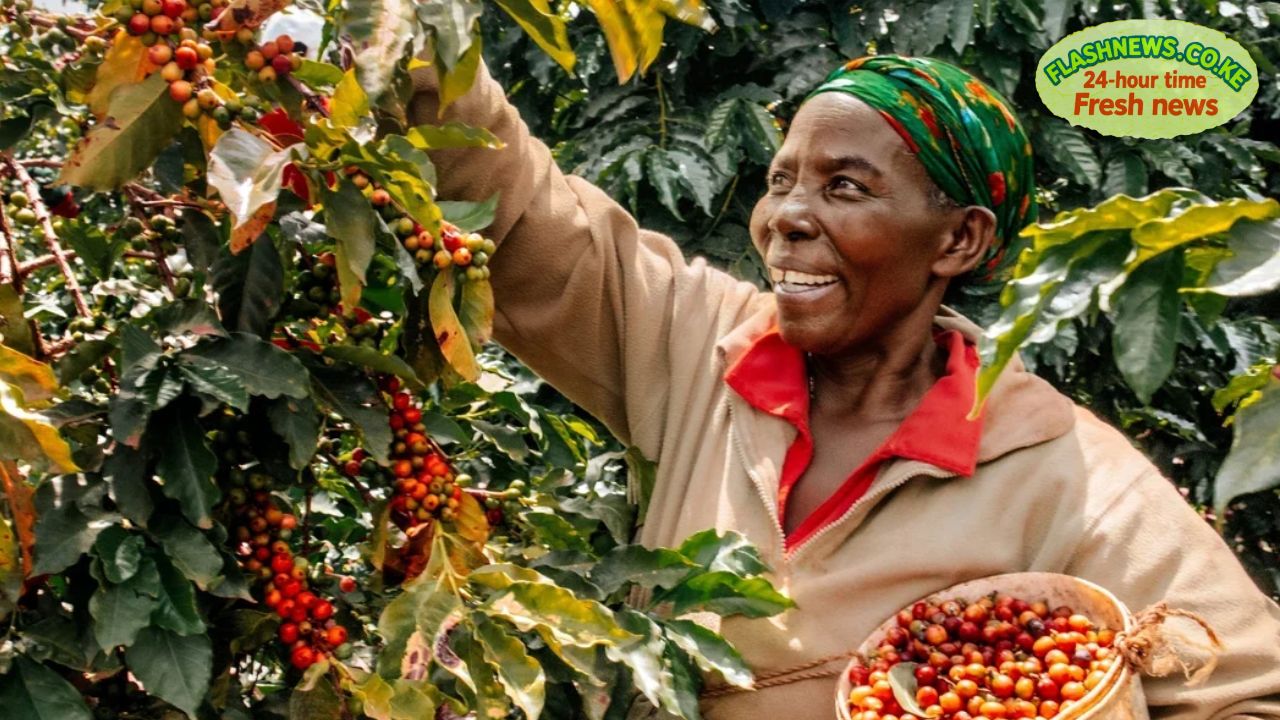
He explained that some plantations produce little coffee because they have been neglected for years, with inadequate pruning, fertiliser application, weeding and pest management.
Rather than removing all the trees, farmers can improve their condition through proper maintenance.
His recommended activities include:
-
Pruning: Removing unproductive and unwanted branches to improve the tree's structure and encourage productive growth.
-
Applying manure: Supplying organic matter and nutrients to support soil health.
-
Weeding: Removing competing vegetation that takes nutrients and moisture from coffee trees.
-
Mulching: Helping conserve soil moisture and protect the soil surface.
-
Pest and disease control: Monitoring plantations and using appropriate control measures to protect coffee cherries and leaves.
-
Grafting: Considering suitable grafting techniques where recommended by qualified coffee specialists.
“If your farm is producing little produce, do not abort it. It is cheaper to rehabilitate than to plant afresh,” Macharia said.
Proper pruning and canopy management are also important because they influence the development of productive branches and make it easier to manage pests and diseases.
The Kenya Coffee Sustainability Manual identifies canopy management, appropriate fertiliser application and disease control as important practices in maintaining productive plantations.
3. Choose the Right Coffee Variety for Your Farm
For Kenyans starting coffee farming from scratch, selecting the right variety is another important decision.
Macharia explained that farmers should consider the available land, local growing conditions and production objectives before purchasing seedlings.
He gave examples of two popular varieties grown in Kenya: Ruiru 11 and SL28.
According to his estimates, one acre can accommodate approximately 1,000 Ruiru 11 trees, compared with around 540 SL28 trees.
The difference is largely explained by their recommended planting spacing.
Ruiru 11 is commonly planted at approximately 2 metres by 2 metres, while traditional varieties such as SL28 are generally planted at approximately 2.74 metres by 2.74 metres.
These spacings translate to roughly 1,000 Ruiru 11 trees and 540 SL28 trees per acre, although the actual number depends on the farm layout, access paths and terrain.
The varieties also have different characteristics.
Ruiru 11 is a compact variety developed for higher-density planting and resistance to major coffee diseases, including Coffee Berry Disease and Coffee Leaf Rust.
SL28 is valued for its cup quality but is susceptible to these diseases, making proper disease management particularly important.
Farmers should consult agricultural specialists to establish which varieties are suitable for their altitude, rainfall patterns and soil conditions.
4. Understand the Cost of Coffee Seedlings
The cost of establishing a coffee plantation depends on the number of trees, variety selected, land preparation and other farm requirements.
Macharia estimated that coffee seedlings cost approximately Ksh55 each.
Using his estimate, a farmer planting 1,000 Ruiru 11 trees would spend approximately Ksh55,000 on seedlings alone.
This amount does not include land preparation, manure, fertiliser, labour, transport, pest control or other establishment expenses.
Farmers should obtain current prices from recognised nurseries and ensure that their seedlings are genuine and suitable for the intended growing area.
The Coffee Research Institute and licensed nurseries can provide guidance on obtaining appropriate planting materials.
It is also important to prepare planting holes in advance and follow recommended spacing and planting procedures.
The Kenya Coffee Sustainability Manual recommends digging planting holes during the dry season, with appropriate preparation before the onset of rains.
5. Coffee Quality Can Determine How Much Farmers Earn
Macharia also highlighted the importance of understanding how coffee is processed and sold after leaving the farm.
He explained that factories operating under the same cooperative society can sometimes achieve different prices because of differences in quality, processing methods, market demand and timing.
This means that farmers should not focus exclusively on increasing the number of coffee trees or the volume of cherries harvested.
Maintaining quality throughout harvesting, handling and processing can help coffee attract better prices in the market.
Kenyan coffee is sold through established marketing channels, including the Nairobi Coffee Exchange and authorised direct-sale arrangements.
At the Nairobi Coffee Exchange, coffee is graded and traded according to factors that include bean characteristics and quality.
A September 2026 Kenya News Agency report showed that 17,013 bags of clean coffee fetched approximately Ksh860 million during one auction sale.
The average auction price was about Ksh819 per kilogramme of clean coffee, equivalent to approximately Ksh126 per kilogramme of cherry before milling and other deductions.
This distinction is important because auction prices for processed clean coffee are not the same as the amount paid to farmers for fresh coffee cherries.
6. Treat Coffee Farming as a Long-Term Business
Macharia's experience demonstrates that coffee farming requires patience, consistent investment and a willingness to learn.
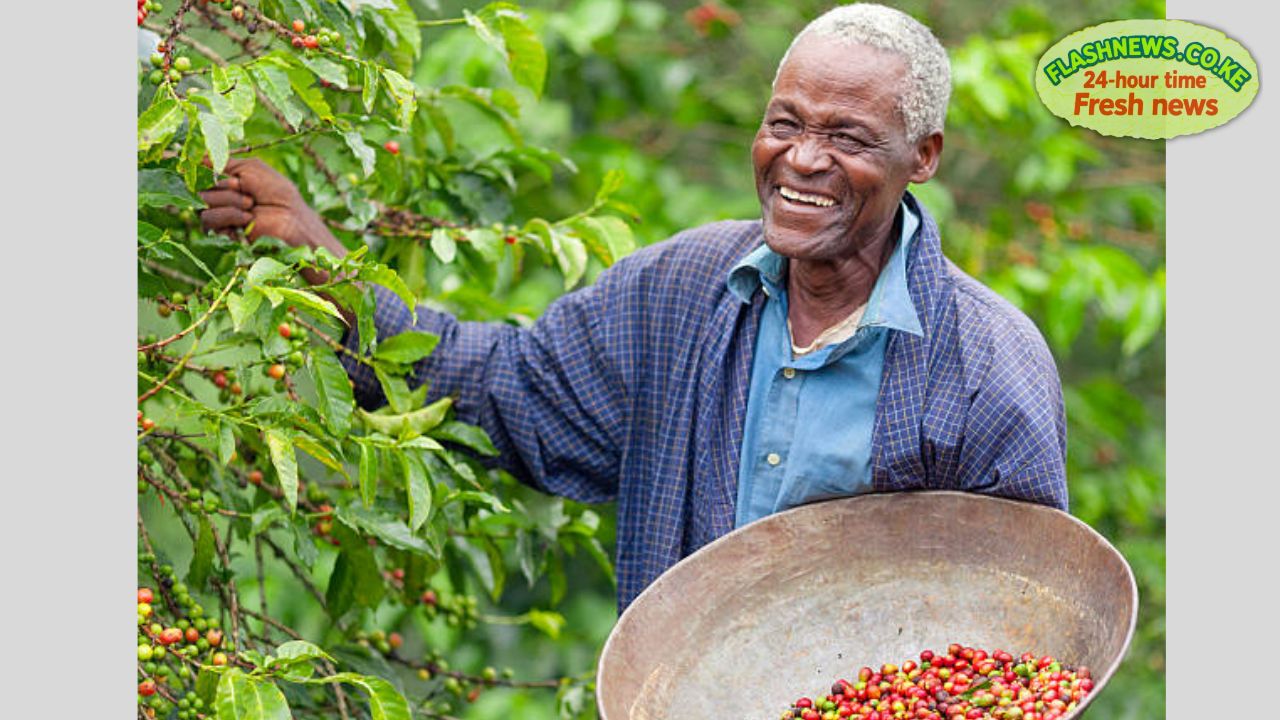
Farmers should understand that establishing a new plantation does not generate immediate income, while existing trees require regular maintenance to remain productive.
Keeping farm records can also help growers understand whether their investments are generating returns.
Important records include the number of productive trees, harvesting quantities, labour expenses, fertiliser purchases, pest-control costs and payments received from cooperative factories.
Such information makes it easier to identify areas where production costs can be reduced and productivity improved.
Farmers should also remain informed about cooperative management, processing charges, marketing arrangements and the prices achieved by their factories.
For young Kenyans interested in agriculture, Macharia's experience offers an example of how an inherited family farm can become a commercial enterprise through better management.
His central message is that farmers should not abandon coffee plantations simply because they have experienced poor production in the past.
With proper soil management, rehabilitation, suitable varieties and attention to quality, coffee farming can become a source of income for households and an investment for future generations.