
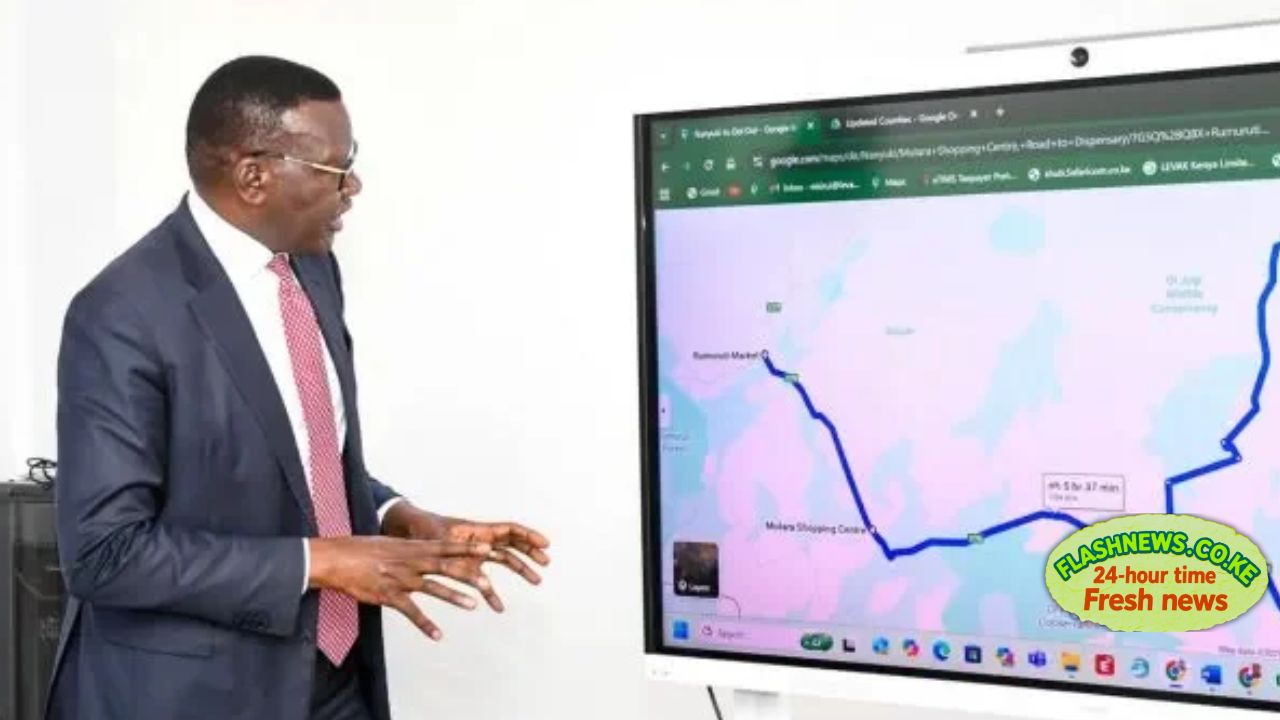
Kenya is planning to acquire specialised technology that will help engineers identify weaknesses beneath road surfaces before they develop into visible damage such as potholes, in a move aimed at reducing maintenance costs and improving the condition of the country's road network. Kenya to Acquire Smart Equipment to Detect Road Damage Before Potholes Develop
Sign up to Flash News
Your info will be used in accordance with our Privacy Policy
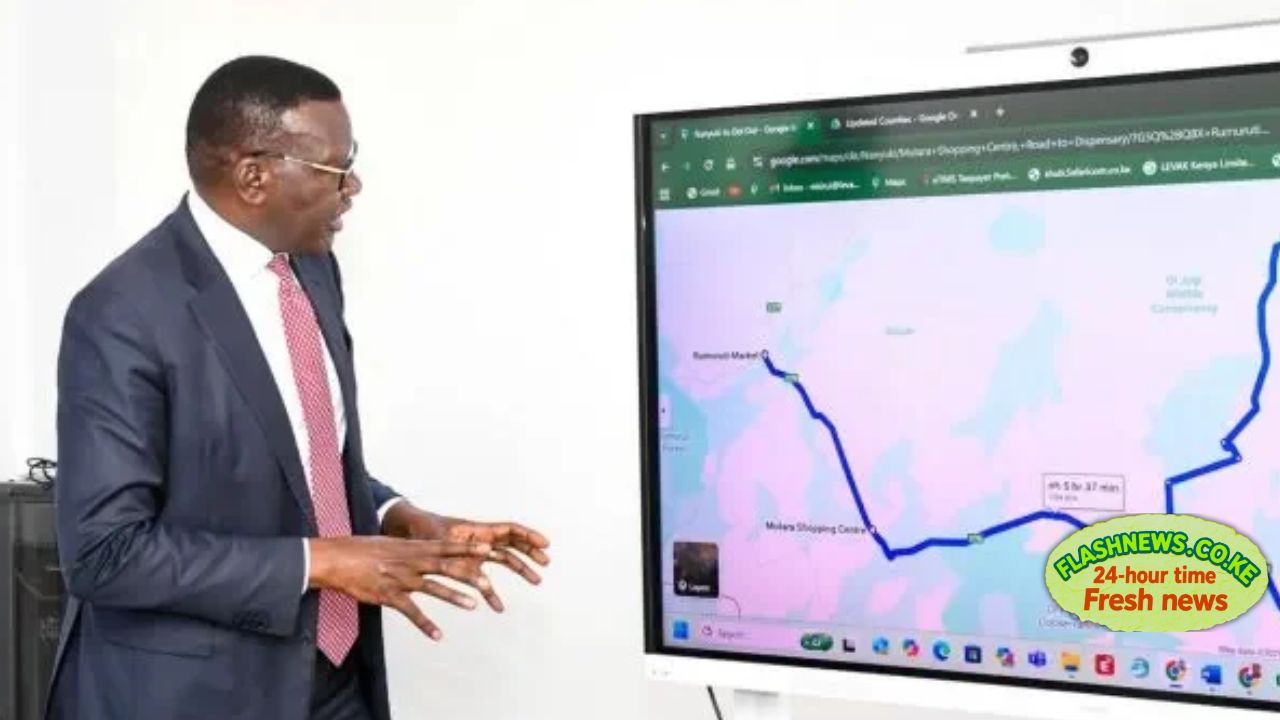
Roads and Transport Cabinet Secretary Davis Chirchir announced that the Kenya Roads Board is moving to acquire a Traffic Speed Deflectometer (TSD), a specialised system that assesses pavement strength while travelling along roads.
The equipment is expected to help engineers identify sections of roads experiencing structural deterioration, allowing authorities to plan repairs before the damage becomes extensive.
Chirchir made the announcement on Wednesday, November 25, 2026, during the official opening of the 33rd Institution of Engineers of Kenya (IEK) International Convention in Mombasa.
He said the government was embracing data-driven road maintenance to improve how infrastructure investments are planned and implemented.
"We are equally embracing data-driven road maintenance through the planned acquisition of a Traffic Speed Deflectometer by the Kenya Roads Board, enabling early detection of pavement deterioration and better targeting of maintenance investments," Chirchir stated.
The Cabinet Secretary said the government's priority was to develop infrastructure that reduces the cost of doing business, improves connectivity and supports economic growth.
How the Traffic Speed Deflectometer works
A Traffic Speed Deflectometer is a specialised vehicle-mounted system designed to measure how a road pavement responds to the weight and movement of traffic.
It uses laser sensors and other measurement equipment to assess small movements or deflections in the road surface as the vehicle travels along a stretch of pavement.
These measurements help engineers determine the structural condition of a road and identify weaknesses that may not be visible during ordinary inspections.
Unlike conventional inspection methods that often rely on visual assessments or measurements taken at selected locations, the technology can collect continuous data while moving at normal traffic speeds.
Engineers can then analyse the information to identify sections requiring closer investigation, strengthening or maintenance.
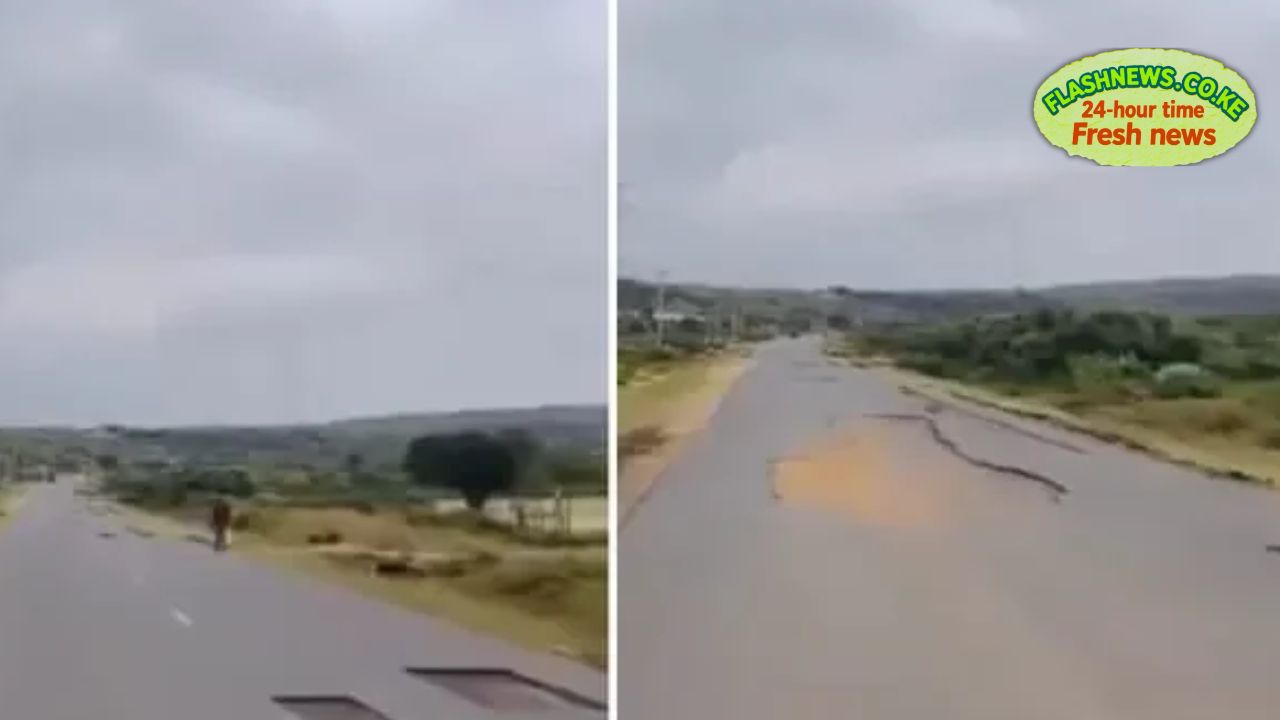
The system does not automatically repair roads or guarantee that potholes will never form. Instead, it provides information that can help authorities intervene earlier, potentially preventing minor structural problems from developing into more expensive road failures.
Why Kenya wants the new road inspection technology
The planned acquisition comes as the government seeks to improve the management of a large road network while controlling the cost of repairs and maintenance.
Kenya's classified road network covers approximately 239,122 kilometres, with the government spending more than KSh54 billion annually on road maintenance.
However, conventional inspection methods have limitations because they often depend on visual surveys and tests conducted at specific points.
Such approaches may fail to provide a complete picture of the structural condition of long stretches of road.
The Traffic Speed Deflectometer is expected to help address this challenge by providing engineers with more detailed information about pavement strength and deterioration.
With improved data, authorities could identify roads requiring structural strengthening rather than repeatedly carrying out surface repairs that may not address underlying problems.
The information could also help engineers estimate the remaining lifespan of road pavements and determine which sections should receive priority funding.
For motorists, the intended long-term benefit is better-maintained roads, fewer severe surface failures and potentially fewer disruptions caused by emergency repairs.
Government seeks to reduce road maintenance costs
Chirchir said the adoption of modern technology was part of a wider strategy to improve infrastructure planning and ensure public resources were used more effectively.
The government wants to move towards maintenance decisions supported by engineering data rather than relying mainly on visible damage after roads have already deteriorated.
Early identification of structural weaknesses could help reduce the need for extensive reconstruction and emergency interventions.
It could also allow the Kenya Roads Board and other road agencies to direct available maintenance funds towards sections where repairs are most urgently required.
The announcement did not, however, provide the expected purchase price of the Traffic Speed Deflectometer or a specific date when the equipment would be acquired and deployed.
Those details will be important in assessing the cost and timetable of the planned investment.
Kenya also plans KSh44.8 billion traffic management upgrade in Nairobi
The announcement of the road inspection technology came alongside plans to modernise traffic management across 230 major junctions in Nairobi through a three-phase Intelligent Transport Systems (ITS) programme valued at KSh44.8 billion.
The project is intended to improve traffic monitoring, coordinate traffic signals and support more efficient movement of vehicles across the capital.
According to Chirchir, the programme will introduce technology to transform urban mobility and address congestion at major intersections.
The three phases are structured as follows:
-
Phase One: KSh7.8 billion for a modern Traffic Management Centre and intelligent transport infrastructure at at least 25 major junctions.
-
Phase Two: KSh13 billion to extend the system to 80 additional junctions.
-
Phase Three: KSh24 billion to cover another 125 junctions.
The three phases will collectively target 230 junctions across Nairobi.
The first two phases are being financed through support from South Korea, while the third phase is financed through China's Export-Import Bank.
The system is expected to use real-time traffic monitoring and advanced technology to improve coordination at intersections and reduce delays.
What the developments mean for Kenyan motorists
The planned Traffic Speed Deflectometer acquisition and Nairobi's Intelligent Transport Systems programme reflect the government's growing focus on using technology to manage transport infrastructure.
While the deflectometer will help engineers assess the structural condition of roads, the Nairobi traffic management project is intended to improve how vehicles move through busy urban junctions.
Together, the initiatives could improve road maintenance planning, support safer journeys and reduce some of the costs associated with congestion and deteriorating infrastructure.
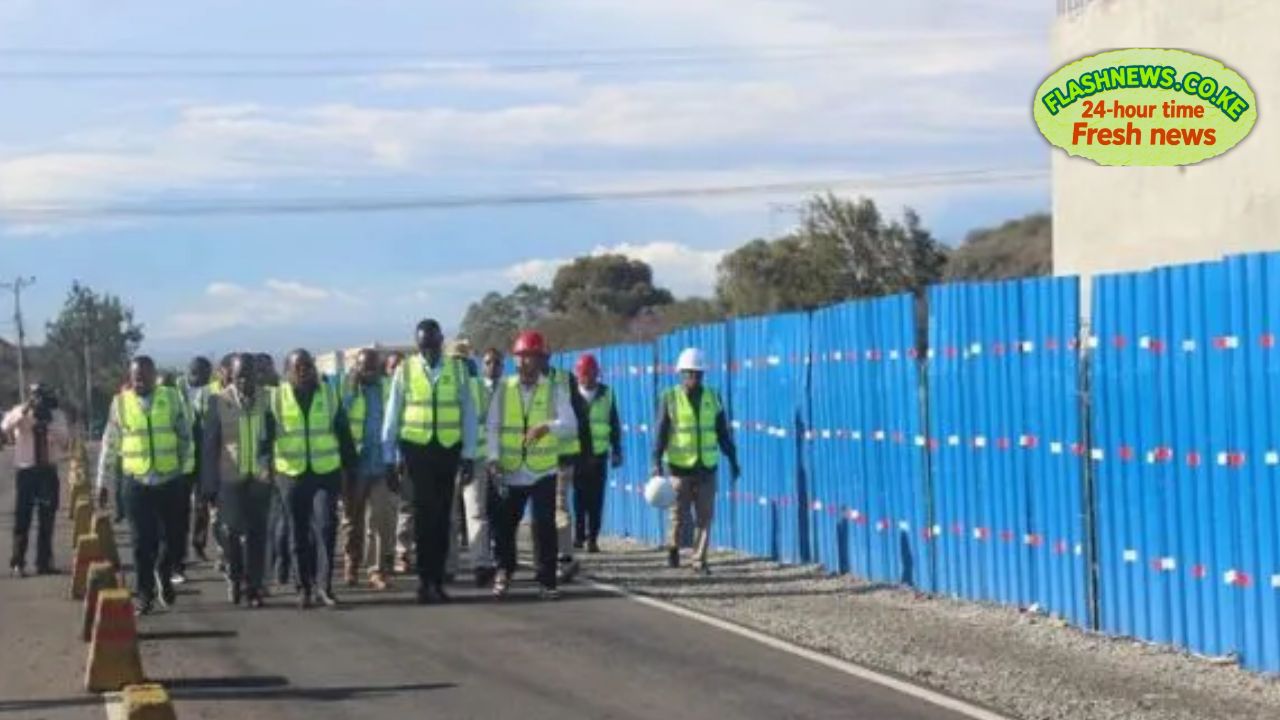
However, their success will depend on effective implementation, adequate funding, proper use of the collected data and timely maintenance interventions.
For now, the Traffic Speed Deflectometer remains a planned acquisition by the Kenya Roads Board. Its eventual impact will depend on when the equipment is purchased, how widely it is deployed and how quickly identified road defects are addressed.