
The Ministry of Education has been asked to review Grade 10 placement criteria within one month, following concerns over imbalances in the allocation of learners to senior schools under the Competency-Based Education (CBE) system.Grade 10 Placement: MPs Give Ministry One Month for Reforms
Sign up to Flash News
Your info will be used in accordance with our Privacy Policy

The proposal was presented by the National Assembly Departmental Committee on Education to the Budget and Appropriations Committee on Friday, November 27, during discussions on submissions for the 2027/28 financial year.
The committee, chaired by Tinderet MP Julius Melly, wants the State Department for Basic Education to prepare a revised framework before the next senior school admission exercise. The proposed changes are intended to address difficulties experienced during the 2026 selection and placement process and provide clearer guidance on how learners should be allocated to institutions.
The recommendation comes as Grade 9 learners await their senior school placements after completing the selection exercise, in which they indicated their preferred pathways, subject combinations and schools.
Why MPs want changes to Grade 10 placement
The proposed review follows concerns about how learners are matched with senior schools under the new education system.
The committee wants the Ministry to establish clearer placement guidelines that address imbalances and improve the process of assigning learners to institutions. The one-month timeline is intended to give the department time to review the existing framework before the next admission exercise.
For parents and learners, the issue is significant because the school allocated to a candidate will determine where they begin the senior school stage of their education.
The selection of a preferred school does not, by itself, guarantee admission to that institution. The placement process must also consider the learner's assessment information, chosen pathway and subject combination, as well as the capacity of the schools selected.
The Ministry's official Grade 10 selection and placement portal provides the digital platform through which learners make their choices and follow the transition process.
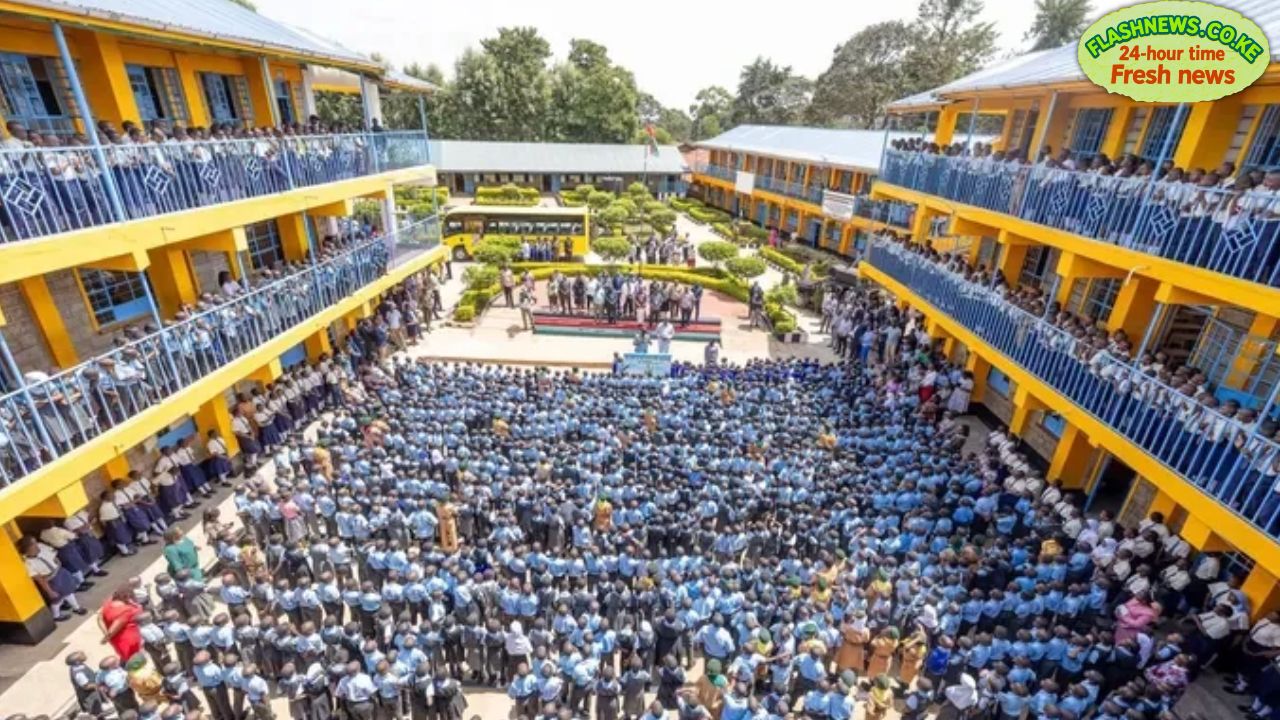
How the current Grade 10 placement criteria work
Under CBE, senior school placement takes account of several factors, including academic performance, a learner's interests and abilities, school preferences and the available spaces in institutions.
The assessment weighting gives the Kenya Junior School Education Assessment (KJSEA) the largest share, at 60 per cent. School-Based Assessments contribute 20 per cent, while the Kenya Primary School Education Assessment (KPSEA) accounts for the remaining 20 per cent.
The weighting reflects performance across different stages of learning rather than relying solely on the final Grade 9 assessment. KNEC's published KJSEA regulations explain how the assessment components contribute to learners' performance information and pathway decisions.
The placement process also considers the three senior school pathways: STEM, Social Sciences, and Arts and Sports Science. Learners are expected to pursue subject combinations that correspond with their strengths, interests and future ambitions.
The importance of the assessment stage was highlighted during the 2026 KJSEA examination, which involved more than 1.2 million Grade 9 candidates preparing to transition to senior school.
School capacity and learner preferences remain central
The number of available places in individual institutions is another important consideration. Schools have different facilities, subject combinations and admission capacities, meaning that not every institution can accommodate all learners who select it.
The placement framework must therefore balance learners' preferences with the opportunities available across the senior school network.
The committee's proposed review is expected to address concerns about how those competing factors are considered. Clearer rules could help parents understand why a learner may not receive a place at their first-choice institution and what determines allocation to another school.
The process also takes account of learners' talents and aptitude, alongside regional balance. These considerations are particularly important under CBE, where the pathways are intended to support different abilities and areas of interest.
Schools must also prepare to deliver the subjects offered under the new system. The TSC training programme for senior school teachers is one of the initiatives aimed at strengthening the delivery of specialised learning areas under the Sports and Creative Arts pathway.
MPs also seek billions more for school funding
The Education Committee's submissions to the Budget and Appropriations Committee also raised concerns about funding for public schools.
It requested an additional KSh2.9 billion for primary school capitation and KSh41.2 billion for secondary education to address funding deficits.
The committee further called for a separate allocation to support learners with special educational needs. Such funding would provide a dedicated budget line for institutions and programmes serving learners who require additional support.
It also wants a nationwide assessment of public school infrastructure to establish existing gaps and guide future investment.
The funding requests are part of the committee's wider submissions for the 2027/28 Budget Estimates. They are proposals for consideration during the budget process, rather than confirmed allocations.
What the proposed review means for Grade 9 learners
The proposed one-month review places pressure on the Ministry to clarify the rules before the next placement exercise. Parents will be watching for details on how the revised framework will handle school preferences, pathway choices, learner performance and institutional capacity.

The transition also requires senior schools to prepare their facilities, teachers and learning programmes for the incoming Grade 10 cohort. The induction programme for newly appointed senior school principals forms part of the wider preparation for the new senior school structure.
The Ministry is now expected to consider the committee's recommendations and develop a framework that responds to the concerns raised during the 2026 exercise.
For families awaiting placement, the immediate priority remains official communication from the Ministry on the placement process, admission details and reporting arrangements. Any changes to the criteria will be important in determining how the next group of learners enters senior school in 2027.