
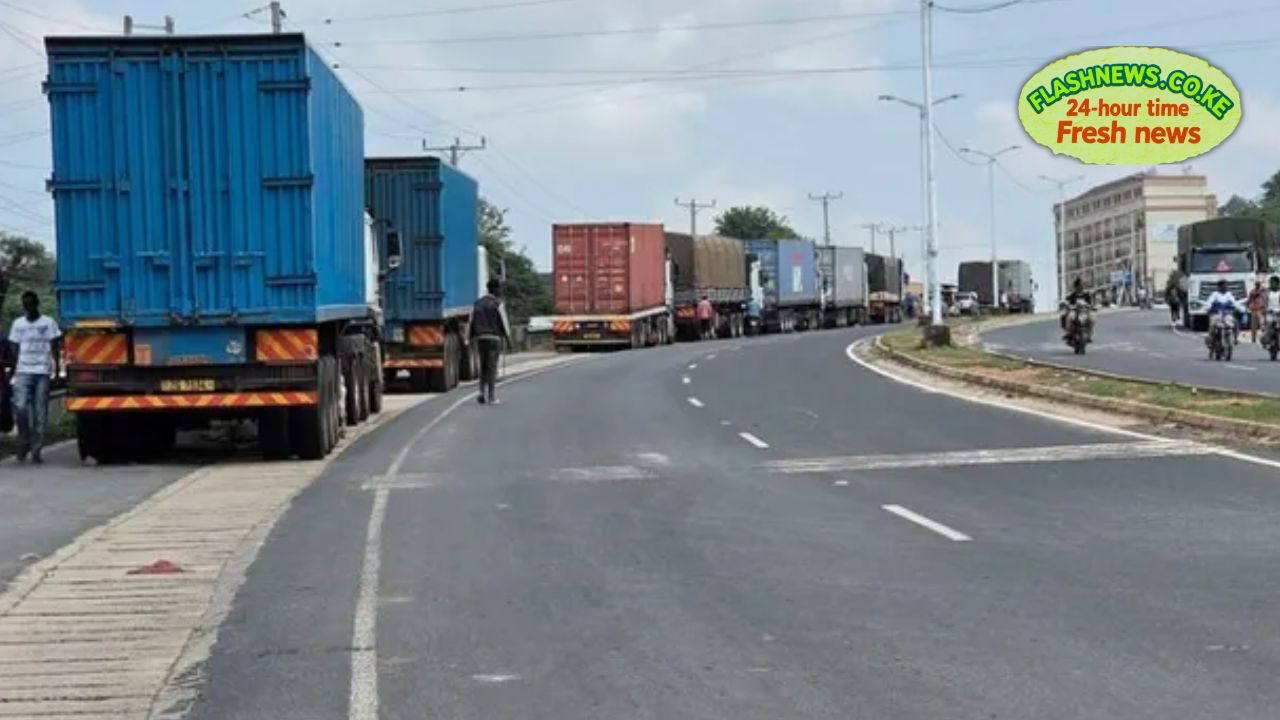
More than 300 Kenyan trucks have begun returning home after being stranded in Ethiopia for about a month following deadly clashes around the Moyale border region. More Than 300 Kenyan Trucks Return Home After Ethiopia Border Crisis
Sign up to Flash News
Your info will be used in accordance with our Privacy Policy
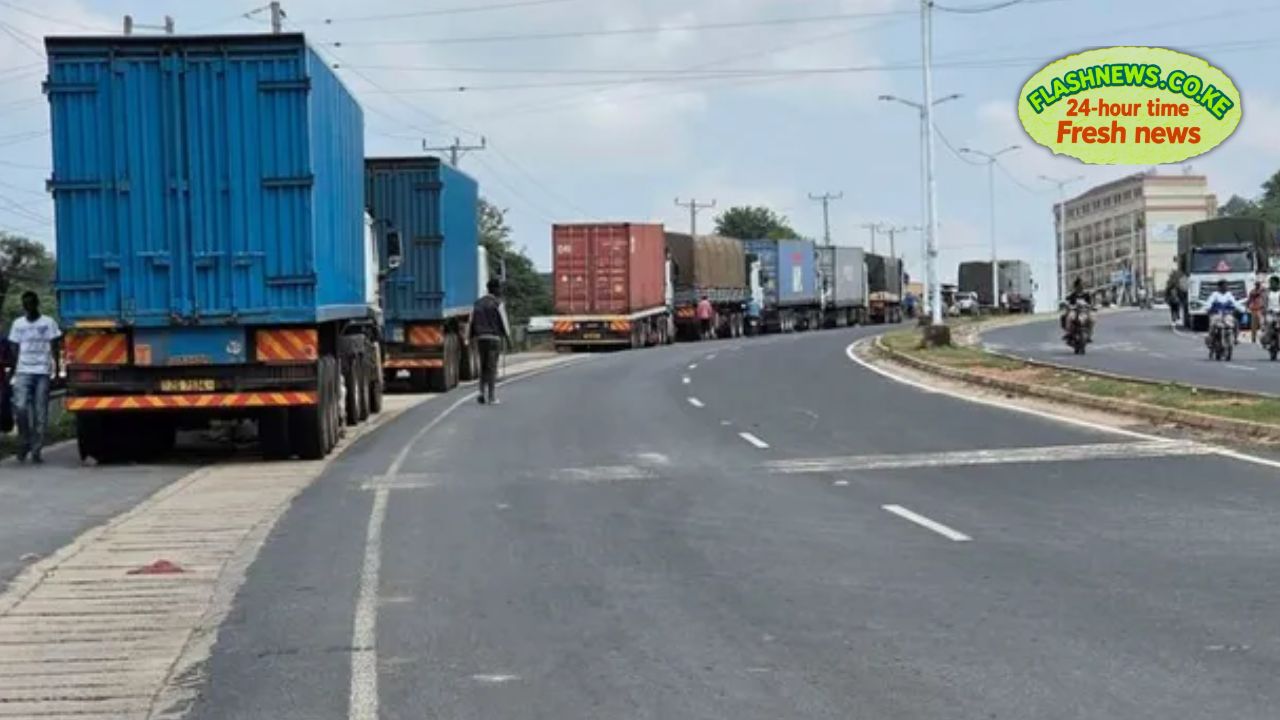
The trucks started crossing into Kenya on Thursday, November 26, 2026, under the protection of Ethiopian security forces, following diplomatic interventions by the Kenyan government and the Kenya Truckers Association.
Their return came after Ethiopian authorities announced a ceasefire between rival Oromo and Somali communities following 34 days of fighting, raising hopes of improved security and the restoration of movement along the important trade corridor.
The clashes had disrupted transport and commercial activities around Moyale, leaving Kenyan truck drivers and traders unable to continue their journeys safely.
Ethiopia Announces Ceasefire After 34 Days of Fighting
The conflict involves Oromo and Somali communities in southern Ethiopia, where a longstanding dispute over territory, administration and access routes has contributed to tensions.
The latest escalation reportedly began in mid-October 2026 amid disagreements over the administration of disputed areas and the raising of the Somali regional flag.
The fighting subsequently spread across communities in the border region, involving armed groups and regional security forces.
On Thursday, the Ethiopian government announced a ceasefire between the two communities, allowing federal police to move into the affected areas to help restore public order and strengthen security.

The development paved the way for the movement of the stranded Kenyan trucks towards the border.
Moyale Border Conflict Disrupts Kenya-Ethiopia Trade
Moyale, a border town shared by Kenya and Ethiopia, is a strategic commercial centre along the transport corridor connecting Nairobi and Addis Ababa.
The route supports the movement of goods between the two countries and serves traders, transport companies and businesses operating across the border.
However, the deteriorating security situation severely disrupted transport operations, restricting movement and forcing several businesses to suspend their activities.
Kenyan truckers were among those affected, with vehicles and drivers remaining stranded as insecurity made it difficult to travel through the region.
The disruption also affected traders who depend on cross-border commerce for their livelihoods, creating financial pressure on businesses on both sides of the border.
Conflict Forces Residents to Flee as Schools Close
The fighting has also had serious consequences for communities living near the Kenya-Ethiopia border.
Reports indicate that families were forced to leave their homes as clashes spread through the affected areas. Some residents reportedly fled into Kenya in search of safety.
Schools located near the conflict zones were also affected, with several reportedly closing earlier than scheduled because of security concerns.
Residents have raised concerns over stray bullets and rocket-propelled grenades hitting homes and other buildings, increasing fears among communities previously accustomed to cross-border trade and relatively peaceful coexistence.
Reports cited in coverage of the conflict indicate that at least six people have been killed, while several others have sustained injuries. These casualty figures should be treated as reported estimates pending confirmation from the relevant authorities.
More Than 50,000 People Reportedly Affected
The humanitarian impact of the fighting has extended beyond the disruption of transport and trade.
Reports attributed to humanitarian organisations, including the Kenya Red Cross and the United Nations, indicate that more than 50,000 people have been affected by the clashes.
Many displaced residents have reportedly sought shelter in makeshift camps and temporary structures, where humanitarian assistance is needed.
The situation has raised concerns about access to basic necessities, protection and other essential services for families displaced by the violence.
The return of the Kenyan trucks is an important development for transporters and traders who have endured weeks of disruption. However, the long-term recovery of commercial activities will depend on whether the ceasefire holds and security is restored across the affected areas.
Kenyan Truckers Await Normalisation of Border Operations
The return of more than 300 trucks offers relief to Kenyan transport operators whose vehicles and drivers had been caught up in the security crisis.

Diplomatic engagement between Kenya and Ethiopia, alongside the involvement of the Kenya Truckers Association, played a role in efforts to secure their return.
The immediate priority is restoring safe movement along the Moyale corridor while ensuring that drivers, traders and residents can resume their activities without fear.
Although the ceasefire has created an opportunity for normal operations to resume, the situation remains dependent on sustained security measures and continued cooperation between the two countries.
For Kenyan businesses that rely on the Ethiopia trade route, the developments offer hope that cross-border transport and commerce can gradually recover after weeks of uncertainty.