
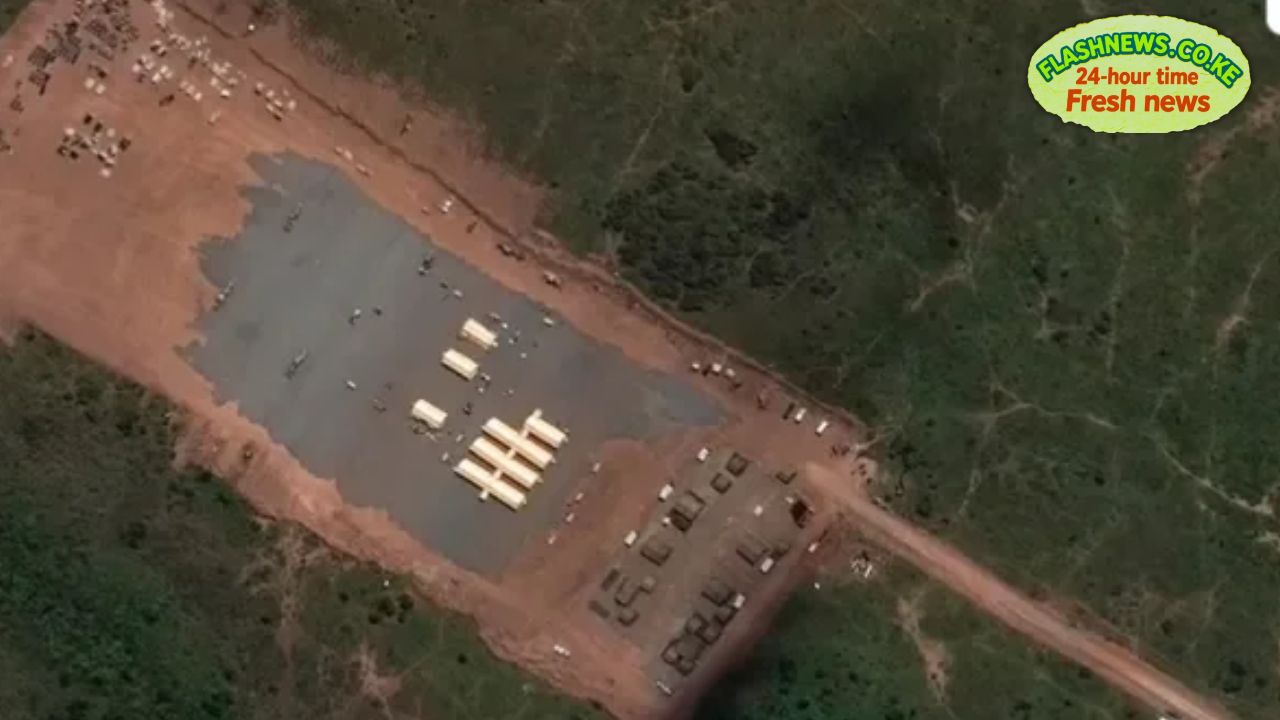
The High Court has declared the process used by the Kenyan government to establish a controversial Ebola quarantine and treatment facility at Laikipia Air Base unconstitutional, ordering the State to disclose details of its arrangement with the United States within 45 days.High Court Declares Laikipia Ebola Quarantine Deal Unconstitutional -
Sign up to Flash News
Your info will be used in accordance with our Privacy Policy
In a judgment delivered on Thursday, November 26, 2026, Justice Patricia Nyaundi found that the government failed to meet constitutional requirements on transparency, accountability and public participation when setting up the proposed facility.
The court also prohibited the Ministry of Health from undertaking further construction work or operationalising the facility until the required documents have been disclosed and the court confirms that the government has complied with its orders.
The ruling followed consolidated petitions filed by Katiba Institute and the Law Society of Kenya (LSK) challenging the government's handling of the project. The respondents included the Attorney-General, Dorcas Oduor, and Health Cabinet Secretary Aden Duale.
Government Ordered to Release Kenya-US Agreement
Justice Nyaundi directed the government to make public the full terms of any agreement, memorandum, arrangement or negotiations relating to the establishment of the facility.
The information must also cover approvals obtained from Parliament, regulatory agencies and county governments, alongside assessments undertaken before the project was initiated.
The court specifically identified the need to disclose public health, environmental, biosafety and security assessments associated with the proposed quarantine and treatment centre.
The government must additionally provide protocols explaining how people exposed to Ebola would be admitted, handled, isolated and treated at the facility.
The documents are intended to help the public understand the project's purpose, operational arrangements and safeguards for protecting people living near the air base.

The judge found that withholding such information prevented affected residents from understanding decisions that could have significant consequences for their health and safety.
Court Finds Violation of Constitutional Rights
In its determination, the court found that the failure to adequately involve affected communities and uphold transparency during the establishment of the facility violated Article 10 of the Constitution.
Article 10 sets out Kenya's national values and principles of governance, including public participation, accountability, transparency and good governance.
The court also found that the government had violated Article 35(3), which provides for the publication and dissemination of important information held by the State.
Justice Nyaundi emphasised that government institutions cannot avoid their constitutional responsibilities by citing the urgency of responding to a public health emergency.
The judge's position was that although authorities have a responsibility to protect the public against diseases such as Ebola, emergency preparedness does not remove the obligation to provide information and involve communities affected by major decisions.
The ruling therefore places the emphasis on the procedure followed in establishing the facility rather than questioning the government's general responsibility to prepare for disease outbreaks.
Laikipia Ebola Facility Remains on Hold
The court prohibited the Health Cabinet Secretary from authorising further work or putting the facility into operation until the government satisfies the disclosure requirements.
The restriction means the project cannot proceed simply because the government considers it necessary for public health preparedness.
The court must first be satisfied that the required information has been made available and that the government has complied with the orders.
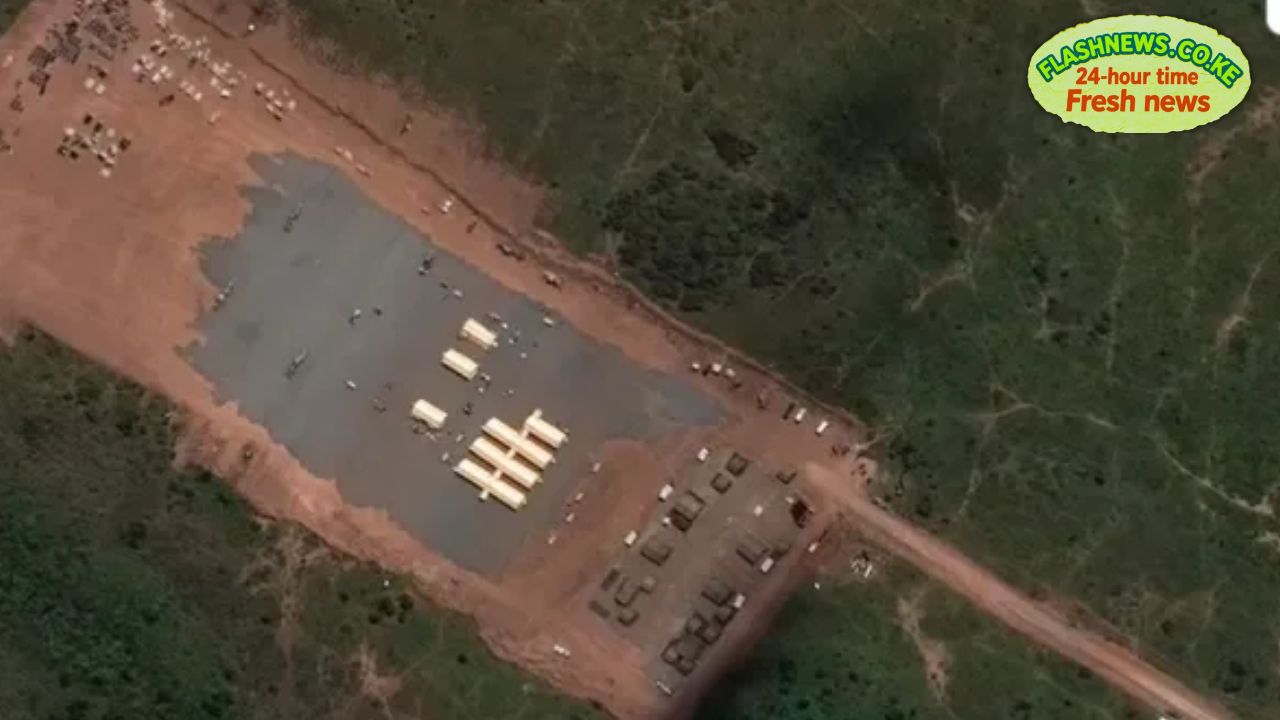
The proposed facility at Laikipia Air Base attracted public attention after plans emerged to establish a quarantine and treatment centre for American personnel exposed to Ebola.
Its proposed location raised concerns among residents and other Kenyans, particularly over the possible health risks, the country's preparedness to handle the virus and the absence of publicly available information about the Kenya-US arrangement.
The dispute also triggered protests and legal challenges, with petitioners arguing that communities had not been adequately consulted before the project was pursued.
Katiba Institute Welcomes the Court Decision
Katiba Institute welcomed the judgment, saying it had confirmed concerns raised since the legal challenge began.
Its Executive Director, Nora Mbagathi, said Kenyans should not be excluded from decisions that could affect their lives and health.
"Today's judgment confirmed what we have said from the first day: Kenyans cannot be kept in the dark about decisions that put their lives and health at stake," Mbagathi stated.
She added that the government now had 45 days to provide the required agreements, assessments, approvals and operational protocols.
The organisation maintained that further work at the facility could not continue until the court was satisfied that the government had fulfilled its obligations.
Legal Dispute Began in May 2026
The case began on May 28, 2026, when Katiba Institute filed a petition challenging the government's plans shortly before the facility was expected to open.
The project had already attracted criticism from residents and rights groups, who questioned the extent of public consultation and the availability of information about the proposed centre.

The High Court subsequently issued orders suspending the project and requiring the government to provide relevant information.
In June 2026, the court also found Health Cabinet Secretary Aden Duale in contempt over continued construction despite earlier court orders, according to Katiba Institute.
The latest judgment represents another major development in the dispute, with the government now required to disclose the documents and demonstrate compliance before further work or operations can proceed.
For residents of Laikipia and the wider Kenyan public, the decision reinforces the constitutional requirement that major public health projects must be accompanied by transparency, accountability and meaningful public participation.