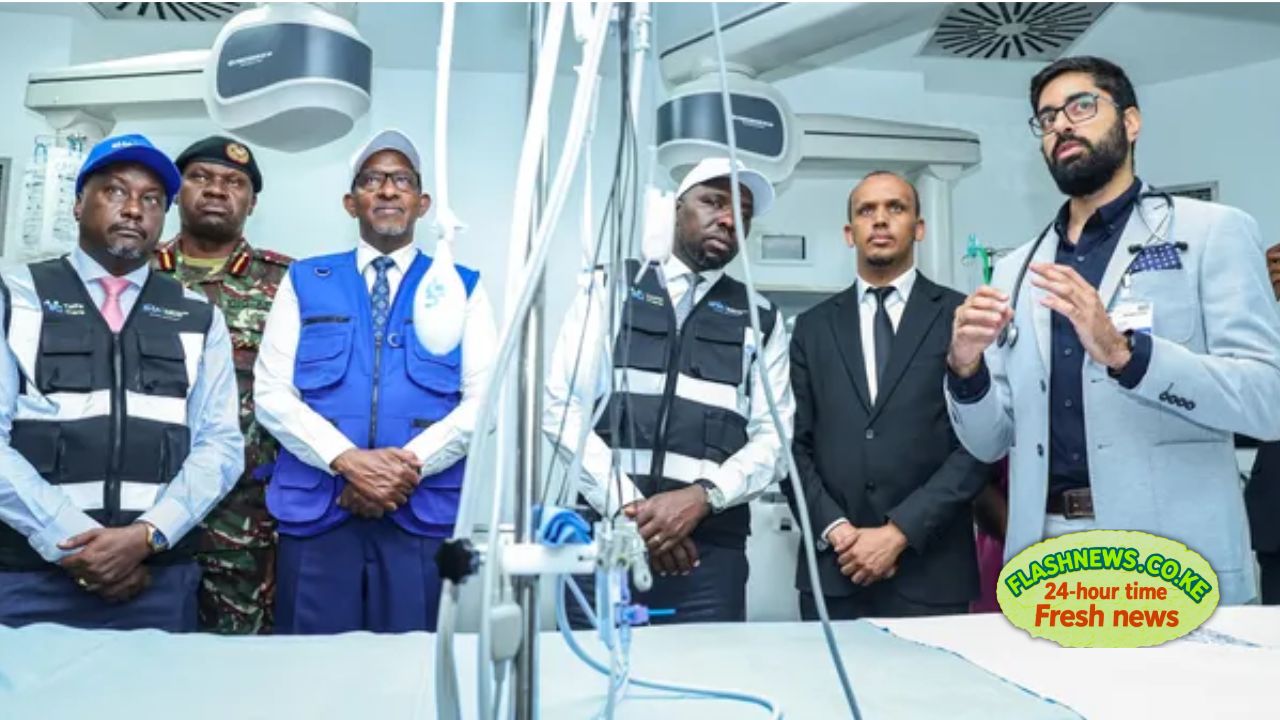
The Social Health Authority (SHA) has announced the release of KSh8.7 billion to 8,208 healthcare facilities across Kenya under its November 2026 payment cycle, in a move expected to support hospital operations and the continued delivery of essential medical services.SHA Releases KSh8.7 Billion to 8,208 Healthcare Facilities Across Kenya
Sign up to Flash News
Your info will be used in accordance with our Privacy Policy
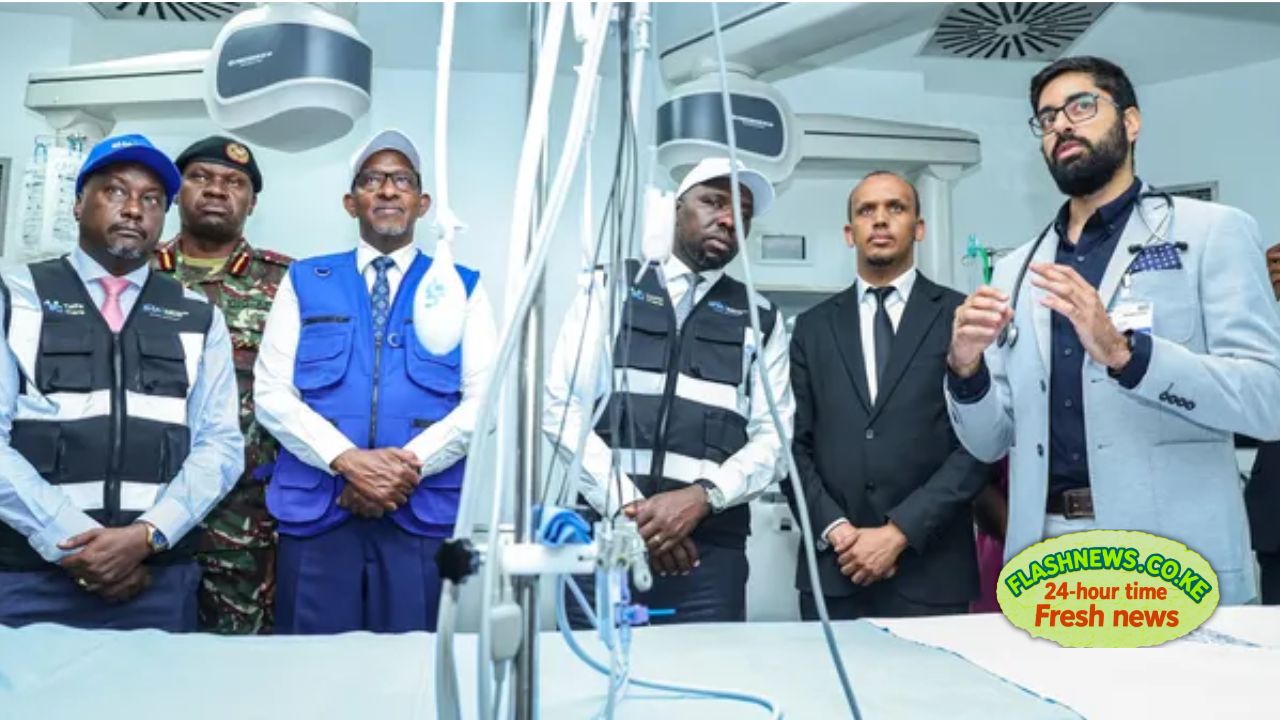
In a notice issued on Thursday, November 26, SHA said the payments had been made through the Primary Health Care Fund (PHCF) and the Emergency, Chronic and Critical Illness Fund (ECCIF).
The funds are intended to help hospitals, health centres and dispensaries maintain daily operations, replenish medicines and other medical supplies, and continue serving patients without interruptions.
SHA said the latest disbursement represented an injection of KSh8.7 billion into the country's healthcare economy, supporting providers as they deliver essential services to Kenyans.
The announcement comes as the authority continues implementing the country's new health financing system amid ongoing discussions about reimbursement delays and the financial challenges facing some healthcare providers.
How SHA Distributed the KSh8.7 Billion
The largest share of the November payment went to facilities covered by the Primary Health Care Fund.
According to the payment figures, 7,975 healthcare facilities received a combined KSh7.824 billion under the PHCF.
A further KSh874.8 million was allocated to 233 facilities through the Emergency, Chronic and Critical Illness Fund.
The two allocations bring the total disbursement to approximately KSh8.699 billion, covering 8,208 facilities.
The PHCF supports primary healthcare services, including routine medical consultations, preventive care and basic treatment at community-level facilities.
ECCIF, meanwhile, supports healthcare services involving emergencies, chronic illnesses and critical medical conditions.
SHA indicated that the PHCF payments covered claims submitted up to October 31, 2026. The authority also published separate payment schedules to enable healthcare providers to check their allocations.
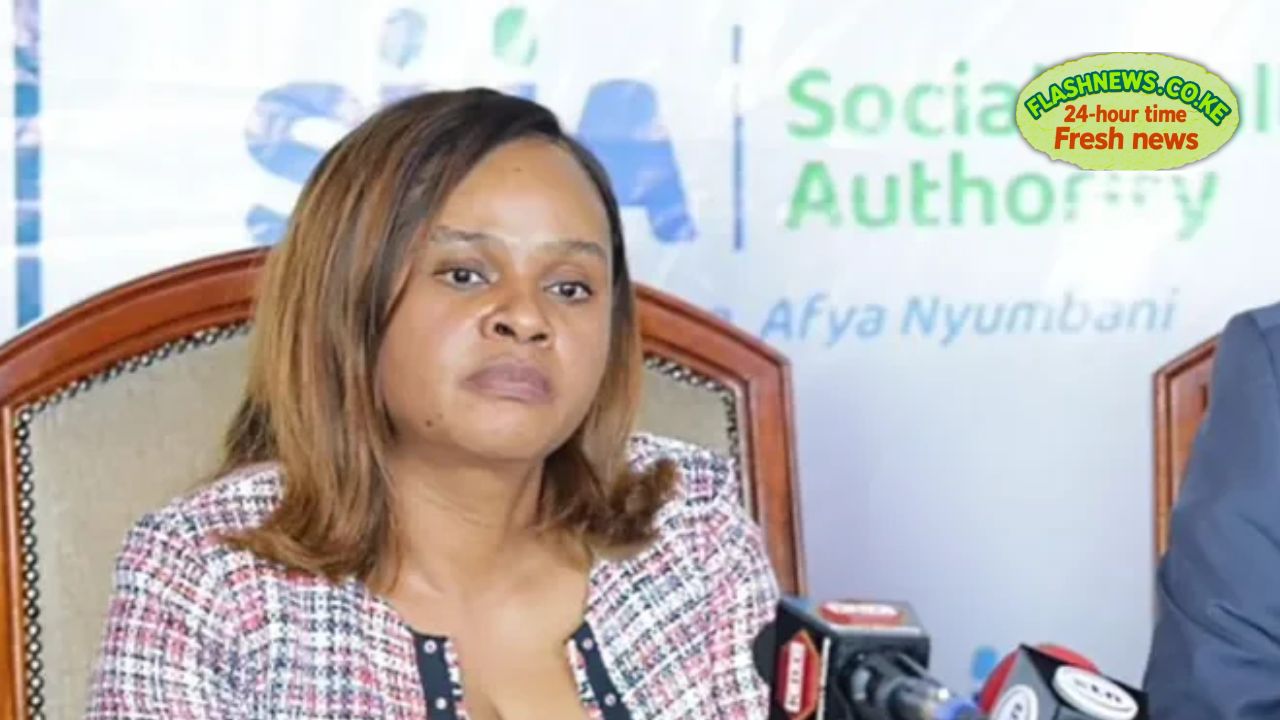
Counties With the Highest Number of Beneficiary Facilities
The distribution lists show that healthcare facilities across several counties were included in the November payment cycle.
Mandera had the highest reported number of beneficiary facilities at 300, followed by Kakamega with 284, Nairobi with 281, Meru with 276 and Nakuru with 267.
At the lower end, Isiolo recorded 29 facilities, while Marsabit had 41 and Lamu 49.
The figures highlight the geographical spread of the payments, which cover different categories of healthcare providers across the country.
In terms of the reported county allocations, Kiambu received the largest amount at approximately KSh471.1 million for 207 facilities. Isiolo recorded the lowest allocation at about KSh25.4 million.
The distribution reflects differences in the number and payment allocations of participating facilities across counties.
Level 2 Facilities Account for the Largest Share
The breakdown by healthcare facility level shows that Level 2 facilities accounted for the largest number of beneficiaries.
These facilities, which mainly include dispensaries and clinics, had 4,791 providers listed for payments amounting to approximately KSh3.15 billion.
Level 3 health centres accounted for another 2,564 facilities, receiving a combined KSh2.99 billion.
Meanwhile, 619 Level 4 hospitals received approximately KSh1.68 billion.
Although Level 2 facilities made up the largest group, Level 4 hospitals recorded the highest average payment per facility.
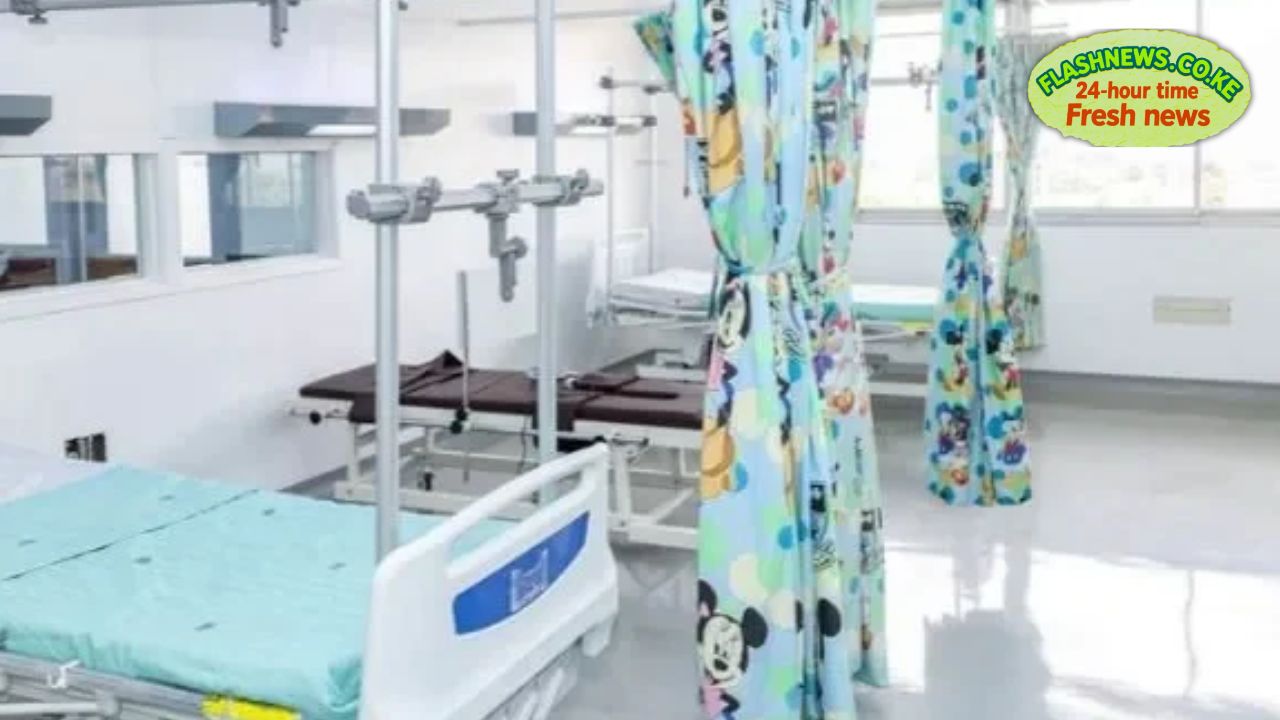
Based on the reported figures, a Level 4 hospital received an average of approximately KSh2.7 million, compared with about KSh658,000 for a Level 2 facility.
The difference reflects variations in the scale of services and the payment amounts allocated to facilities operating at different levels of the healthcare system.
Kitui County Referral Hospital Receives Highest Individual Payment
Among the individual healthcare providers listed, Kitui County Referral Hospital received the largest reported payment, amounting to approximately KSh51.4 million.
It was followed by Uasin Gishu Sub-County Hospital, which received about KSh36.8 million.
The payments are expected to support the facilities in meeting operational requirements and maintaining the availability of essential medical services.
For hospitals handling large patient numbers and providing more specialised services, consistent funding is particularly important in managing medical supplies, staffing requirements and other recurring expenses.
SHA Payments Come Amid Concerns Over Hospital Reimbursements
The latest disbursement comes amid continued debate over the implementation of the Social Health Authority and the financial sustainability of healthcare providers operating under the new system.
Some hospitals and healthcare organisations have raised concerns about delayed reimbursements, rejected claims and outstanding payments for services already provided to patients.
In November 2026, the National Council of Churches of Kenya raised concerns over more than KSh10 billion reportedly owed to faith-based healthcare facilities, warning that prolonged delays could affect their operations.
The concerns have increased pressure on SHA to ensure that claims are processed efficiently and payments reach eligible providers within reasonable timelines.
President William Ruto has defended the healthcare reforms, arguing that criticism of the programme is sometimes driven by political interests.
However, healthcare providers continue to emphasise the importance of predictable payments to enable them to purchase medicines, pay suppliers and maintain services.
When Will SHA Release SHIF Payments?
SHA also indicated that payments under the Social Health Insurance Fund (SHIF) would be handled separately from the November PHCF and ECCIF disbursement.
The authority announced that the SHIF payment list was expected to be published on Friday, November 27, 2026.
Healthcare providers were advised to use the published payment schedules to confirm their allocations and follow up on any queries through the authority's official communication channels.
The KSh8.7 billion disbursement provides financial support to thousands of facilities, although the wider success of the healthcare financing system will also depend on timely claims processing, transparent payments and the ability of providers to sustain quality services for patients.