






IMF Warns Kenya Against Fuel Subsidies as Rising Prices Trigger Public Anger and Transport Protests
The International Monetary Fund has warned Kenya and other countries against relying on prolonged fuel subsidies and price controls as global energy prices continue to rise amid escalating tensions in the Middle East.
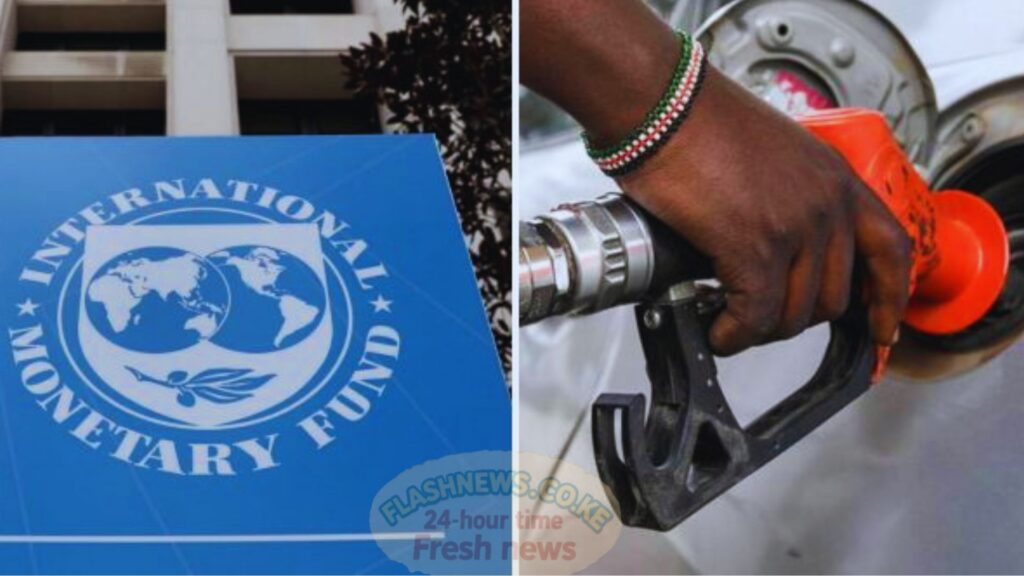
In a strongly worded caution issued on Thursday, IMF Managing Director Kristalina Georgieva said governments risk worsening inflation, straining public finances, and creating fuel shortages if they attempt to artificially suppress fuel prices through blanket subsidies.
The warning comes at a politically sensitive moment for Kenya, where recent fuel price hikes have triggered protests by transport operators and renewed public frustration over the rising cost of living.
“Sustained energy price surges can sharply reduce household purchasing power, which hurts poorer families most and strains businesses,” Georgieva warned.
“If unaddressed, this can cause lasting damage by pushing more people into poverty and forcing businesses to shut down,” she added.
The IMF chief noted that many governments across the world are facing mounting pressure to cushion citizens from the impact of rising fuel and energy costs following disruptions in global oil markets linked to instability in the Middle East.
However, the lender cautioned that broad fuel subsidies and price caps often create deeper economic problems if maintained for long periods.
“Measures not designed thoughtfully can be fiscally costly and difficult to unwind,” Georgieva said.
According to the IMF, governments should allow local fuel prices to reflect movements in the international market instead of using expensive state-funded subsidies to keep prices artificially low.
The institution argued that allowing prices to adjust naturally helps manage demand, encourages efficient fuel use, and reduces the risk of shortages.
“Price signals play a major role in allocating scarce resources, encouraging efficient use, and preventing shortages,” Georgieva reiterated.
Instead of blanket subsidies, the IMF is urging governments to provide targeted assistance to vulnerable households through temporary cash transfers and existing social protection programmes.
The IMF boss observed that low-income families spend a larger share of their income on transport, fuel, and food, making them the most vulnerable during periods of high energy costs.
“Targeted cash transfers, ideally delivered through existing social assistance systems, are generally the best way” to protect struggling households, she said.
The global lender also advised governments to support businesses facing higher operational costs through temporary liquidity measures such as government-backed loans, tax deferrals, and short-term credit facilities rather than fuel price controls.
The remarks come just weeks after the Energy and Petroleum Regulatory Authority announced a sharp increase in fuel prices for the May–June 2026 pricing cycle.

Under the review released on May 14, petrol prices rose by Ksh16.65 per litre while diesel surged by Ksh46.29 per litre, sparking outrage among motorists and public transport operators.
Diesel prices briefly hit Ksh242.92 per litre before the government later announced a Ksh10 reduction on May 18, while Super Petrol retailed at Ksh214.25.
The sharp rise triggered demonstrations in several parts of the country, with matatu operators and truck drivers staging protests over soaring operational costs and warning that transport fares could rise further if fuel prices remain high.
The latest IMF warning is likely to reignite debate within Kenya over whether the government should prioritise market-driven fuel pricing or introduce stronger interventions to shield households from the deepening cost-of-living crisis.
Also Read: Postmortem Reveals Ex-MP Were’s Son Was Fatally Stabbed