

KRA Under Fire as MPs Launch Probe Into Sugar Import Deal Linked to Ksh2.98 Billion Tax Waivers





The Kenya Revenue Authority (KRA) has found itself at the centre of an escalating parliamentary probe after lawmakers questioned how an imported raw sugar consignment was cleared despite receiving tax exemptions worth nearly Ksh2.98 billion, raising fresh concerns over possible revenue losses and transparency in Kenya’s import regime.
The National Assembly’s Departmental Committee on Trade on Thursday, July 16, subjected senior KRA officials to intense questioning over the controversial clearance, demanding explanations over the extensive tax waivers granted to the importer and inconsistencies in the import documentation.

Appearing before the committee, KRA Commissioner for Customs and Border Control Lilian Nyawanda defended the authority’s actions, maintaining that the importer complied with all legal customs procedures before the shipment was released.
Nyawanda told MPs that the importer presented all the required documentation and paid approximately Ksh500 million in import duty, insisting that KRA acted strictly within the law and followed established customs regulations.
However, lawmakers remained unconvinced, arguing that while import duty had been paid, the consignment benefited from exemptions on multiple other taxes and levies that significantly reduced the government’s expected revenue.
According to KRA, the importer was exempted from paying several charges, including Value Added Tax (VAT), Excise Duty, the Import Declaration Fee (IDF), Railway Development Levy (RDL), Sugar Development Levy, and the Merchant Shipping Levy.
During the hearing, KRA acknowledged that the exemptions resulted in approximately Ksh2.98 billion in forgone government revenue, a revelation that immediately intensified demands for accountability from members of the committee.

The scrutiny deepened after MPs accused KRA officials of failing to provide critical documentation relating to the shipment.
Lawmakers noted that documents presented before the committee did not identify the manufacturer of the imported sugar. They also questioned why essential information, including the consignment’s manufacturing and expiry dates, had not been disclosed.
Committee Chairperson Bernard Shinali said the circumstances surrounding the clearance had raised serious red flags that Parliament could not ignore.
“The circumstances under which the consignment was cleared are of critical concern. The huge tax losses in the form of tax waivers are equally a concern, and this committee must get answers to all concerns raised,” Shinali said.
Further concerns emerged over the origin of the sugar after MPs observed apparent inconsistencies in the import records.
While the commercial invoice identified the seller as being based in Singapore, the certificate of origin indicated that the sugar originated from South Africa, prompting lawmakers to question whether the documentation was consistent and complete.
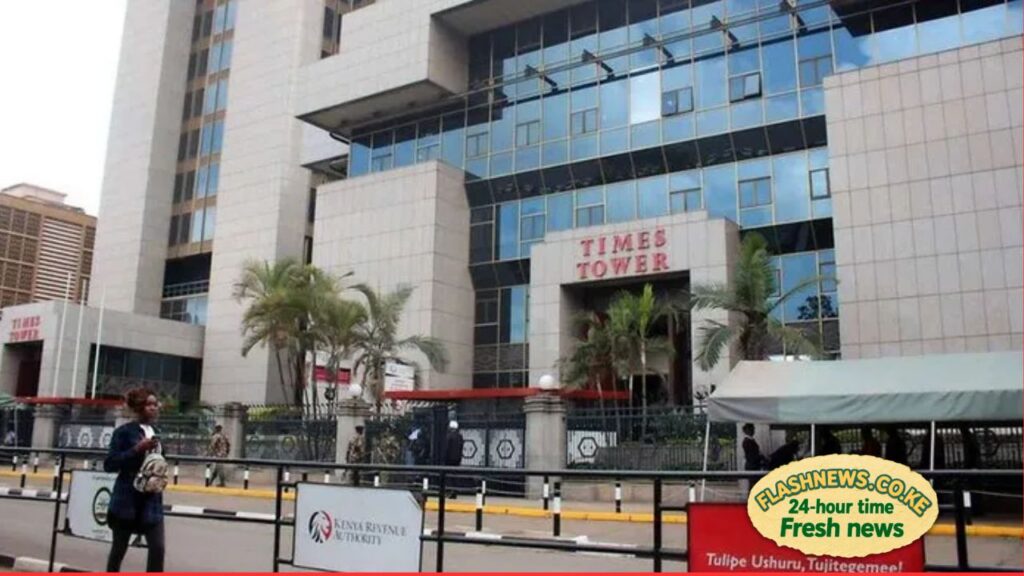
The parliamentary inquiry comes as the government continues to tighten oversight of tax administration and customs operations in an effort to curb revenue leakages and improve accountability within KRA.
Should Parliament establish any irregularities in the approval of the tax exemptions or the import process, the findings could trigger wider investigations into customs clearance procedures and the management of tax incentive schemes.
Also Read: BREAKING: IEBC Declares DCP’s Sammy Waweru Winner of Ol Kalou MP Seat