






U.S. Breaks Silence After Kenyan Court Halts Planned Ebola Facility at Laikipia Air Base
The United States government has responded after Kenya’s High Court temporarily suspended the establishment of a controversial American-backed Ebola quarantine and isolation facility at Laikipia Air Base, a project that has sparked public debate and legal challenges.
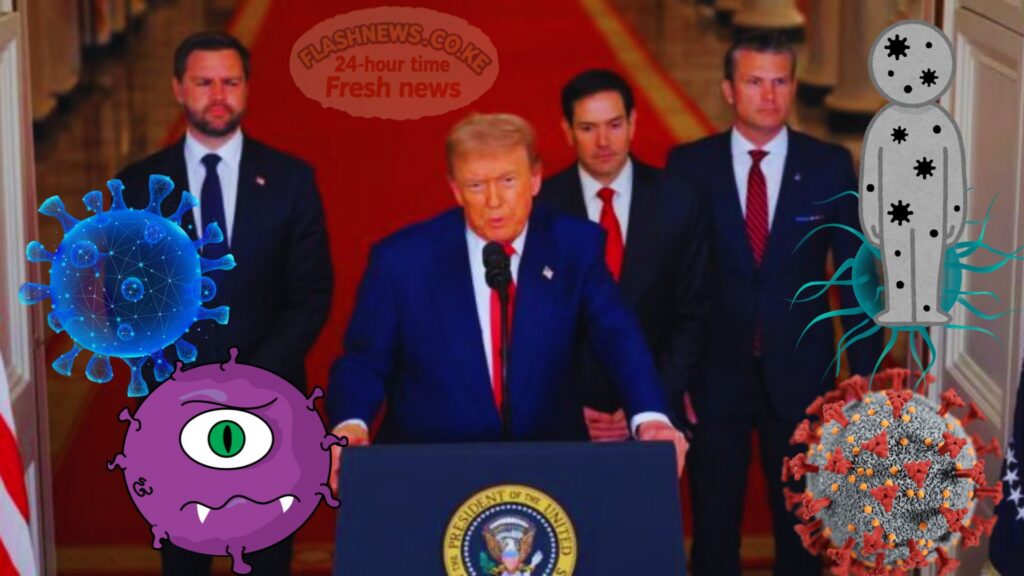
In a statement issued on Saturday, May 30, President Donald Trump’s administration acknowledged the court action and said it was engaging Kenyan authorities in an effort to address concerns raised about the proposed facility.
“We are aware of the court action filed in Kenya against the Ebola isolation facility. We are in touch with Kenyan authorities and are optimistic we can resolve objections,” the U.S. government said.
The remarks came just hours after High Court Judge Justice Patricia Nyaundi issued conservatory orders halting the establishment of any Ebola exposure, quarantine, isolation, or treatment facility by the United States government or any other foreign agency within Kenya pending the hearing and determination of a constitutional petition.
The court further barred the admission, transfer, reception, or facilitation of entry into Kenya of any individual exposed to or infected with the Ebola virus under the reported arrangement.
The orders arose from an urgent petition filed by the Katiba Institute at the Milimani Law Courts. The constitutional rights organisation argued that the proposed facility raises fundamental constitutional, public health, transparency, and national security concerns that require judicial scrutiny before any implementation can proceed.

In her ruling, Justice Nyaundi certified the matter as urgent and directed all respondents to file their responses within 48 hours of being served. The petitioner was also granted leave to file a supplementary affidavit within one day of receiving the responses.
The court warned that any person, institution, or government agency found violating the conservatory orders would face legal consequences for contempt of court.
The legal challenge has placed a spotlight on a project that, according to reports, was expected to become operational within days. Initial plans reportedly indicated that the facility would consist of a 50-bed field hospital designed to monitor, isolate, and manage individuals potentially exposed to the Ebola virus.
Reports further suggested that personnel from the U.S. Public Health Service were preparing for deployment to Kenya, with specialised teams undergoing training at Joint Base Andrews in Maryland ahead of the mission.
The development comes amid heightened international concern over the ongoing Ebola outbreak in parts of Africa and growing cooperation between Nairobi and Washington on disease surveillance and emergency preparedness.
Just days earlier, on May 28, U.S. Secretary of State Marco Rubio held a telephone conversation with President William Ruto during which the two leaders discussed regional health security and ongoing Ebola response efforts.
During the call, Rubio reportedly announced a U.S. commitment of approximately KSh1.74 billion to support Ebola preparedness initiatives in Kenya, including disease monitoring, emergency response capabilities, and public health coordination.
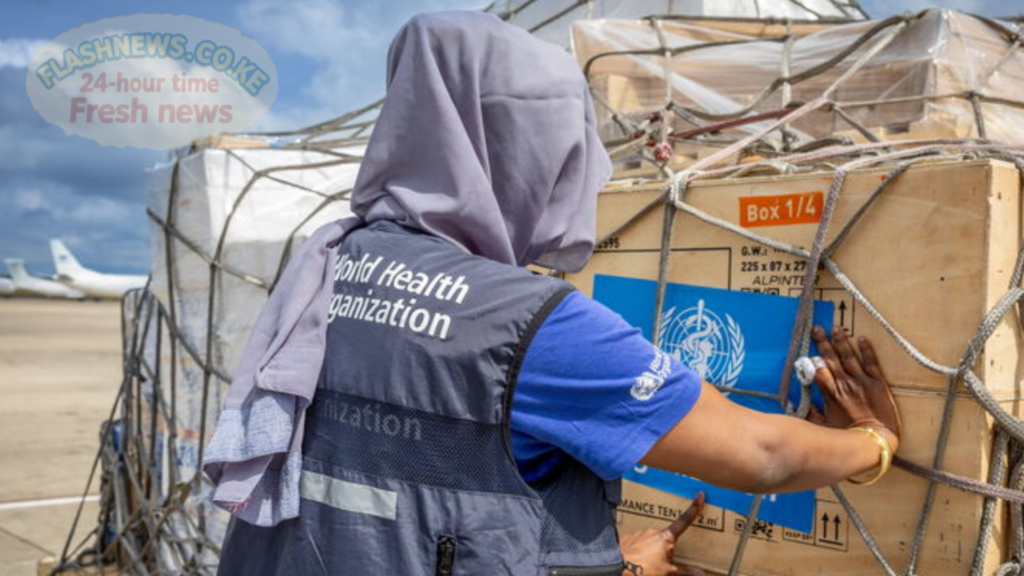
The court case is expected to test the balance between international health cooperation and Kenya’s constitutional safeguards, with petitioners insisting that any arrangement involving foreign quarantine facilities must undergo public participation and comply fully with Kenyan law.
The matter is scheduled for further directions after respondents file their submissions.
Also Read: Shock Petition Targets Matiang’i’s Powerful New Jubilee Role