






Explained: The Hidden Meaning Behind Pilot Uniform Stripes Revealed
At first glance, the stripes adorning a pilot’s uniform may appear to be little more than decorative detailing. However, within the aviation industry, these markings carry a precise and highly structured meaning—signalling a pilot’s rank, experience, and authority on the flight deck.
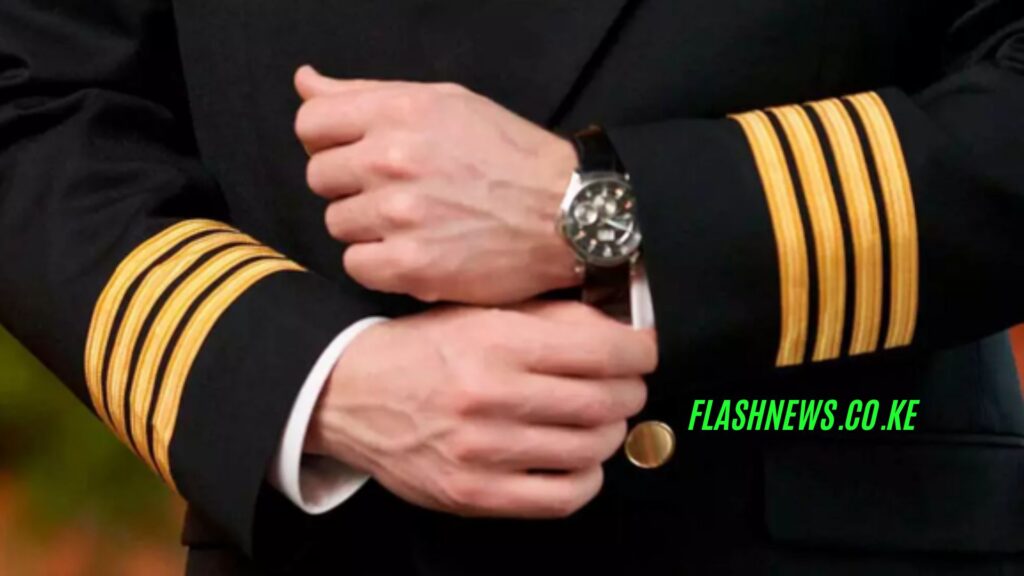
According to aviation training guidance, including material from the Kenya School of Flying, the number of stripes worn by a pilot serves as a quick visual reference for crew hierarchy. This system enables both crew members and aviation professionals to instantly identify levels of responsibility during operations.
Typically displayed on the lower sleeves of a pilot’s jacket—or on shoulder epaulettes depending on airline policy—the stripes increase in number as a pilot progresses through their career. Fewer stripes denote junior positions, while additional stripes reflect greater command and accountability.
A single stripe is usually assigned to cadet or trainee pilots who are still undergoing training and have yet to qualify for commercial flight duties. These individuals are in the earliest phase of their aviation careers, working toward full certification.
Pilots bearing two stripes are often second officers or junior crew members. In many cases, they support long-haul operations, gaining vital experience while assisting senior pilots.
Three stripes signify a first officer, commonly referred to as the co-pilot. Fully qualified, the first officer operates the aircraft alongside the captain and serves as second-in-command. In some airline structures, senior first officers—those with substantial flight hours—may also retain three stripes as they transition toward command roles.
The most recognisable rank is marked by four stripes, reserved for the captain. As pilot-in-command, the captain holds ultimate responsibility for the aircraft, passengers, and crew throughout the journey.
In certain cases, training captains or senior captains may wear four or even five stripes, depending on airline-specific ranking systems. These highly experienced pilots not only command flights but also train and assess other pilots, including first officers and newly promoted captains.
Five stripes may also be associated with specialised roles such as experimental or test pilots, who conduct critical flight tests during aircraft certification processes.
Despite its widespread use, the stripe system is not globally standardised. Airlines may adopt variations based on internal hierarchies and operational requirements, meaning insignia can differ slightly across carriers.
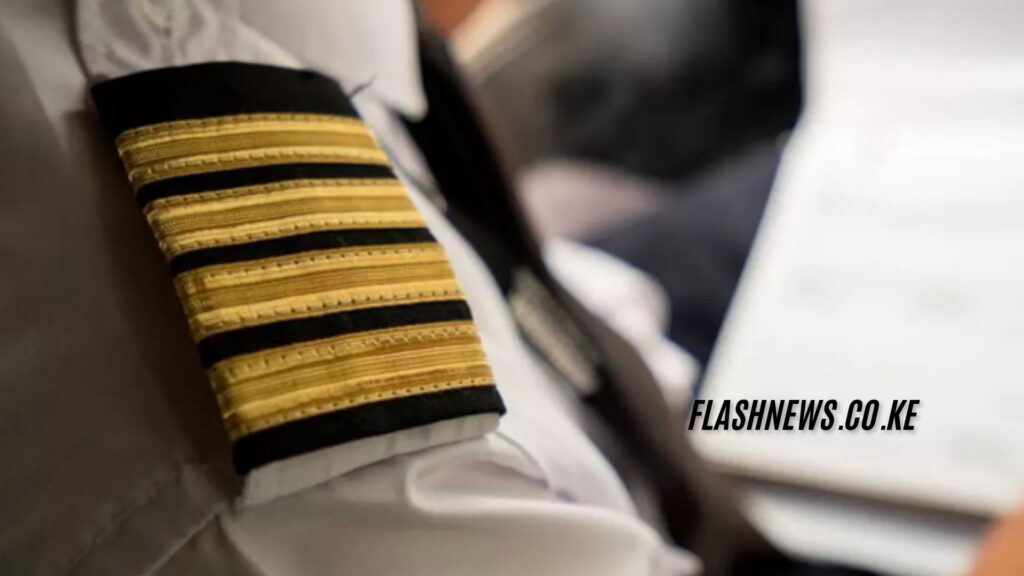
The origins of the modern pilot uniform can be traced back to the 1930s, when early commercial aviation drew inspiration from military attire. Pan American Airlines played a pivotal role in shaping today’s iconic look by introducing naval-style uniforms—complete with structured jackets, caps, and rank insignia.
Since then, the design has remained largely unchanged. While colours and styling may vary between airlines, the use of stripes to denote rank has become a near-universal feature—quietly communicating authority at 30,000 feet.
Also Read: Ruto Sets Deadline After 20-Year Delay—Railway Project Finally Back on Track