


More Than 350 Kenyan Workers Return Home After Saudi Arabia Entry Ban

More than 350 Kenyan workers have returned home after Saudi Arabian authorities denied them entry into the Kingdom over concerns surrounding the Ebola outbreak in Kenya.
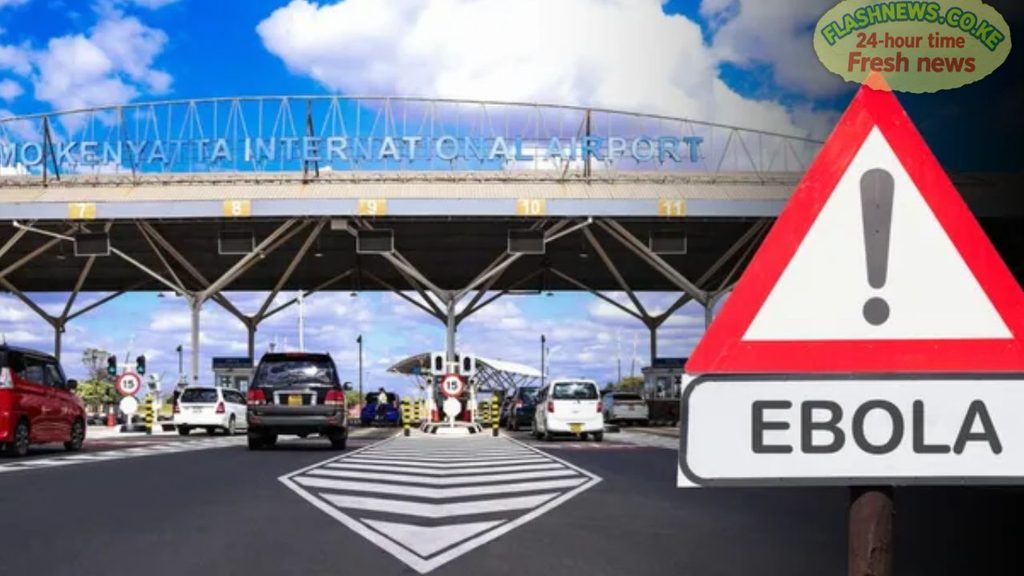
The affected workers arrived at Jomo Kenyatta International Airport (JKIA) at approximately 1:30 pm on Monday, November 2, 2026, after being turned away despite having valid employment visas.
Their return followed four days of uncertainty at Sharjah Airport in the United Arab Emirates (UAE), where they had been stranded as arrangements for their journey back to Kenya were made.
The incident has raised concerns among Kenyan jobseekers and families who depend on overseas employment, with the affected workers fearing that prolonged travel restrictions could jeopardise their job opportunities.
Kenyan Workers Appeal to Government for Intervention
One of the returning workers, Mary Njau, described the experience as disappointing, explaining that the group had travelled with high expectations of beginning new employment opportunities in Saudi Arabia.
Speaking to KBC after arriving in Nairobi, Njau appealed to the Kenyan government to intervene and help resolve the situation.
She said the workers had been looking forward to starting their new jobs but were frustrated after being denied entry upon reaching their destination.
The returnees called on both the Kenyan and Saudi Arabian governments to urgently engage in discussions and find a solution that would allow affected workers to travel.
They also expressed concern that their employment opportunities could be lost if the restrictions remain in place for an extended period, particularly as some of their visas risk expiring.
Why Saudi Arabia Blocked Kenyan Travellers
Saudi Arabia introduced travel restrictions affecting Kenya on October 30, 2026, citing concerns related to the Ebola outbreak.
The measures included suspending travel by Saudi citizens to Kenya and halting the issuance of all categories of visas to travellers from the country.
Authorities also restricted entry for individuals who had been in Kenya or another country experiencing an active Ebola outbreak within the preceding 21 days.
The restrictions apply even to travellers who attempt to enter Saudi Arabia through third countries, meaning that using alternative transit routes does not automatically exempt passengers from the measures.
The decision has affected Kenyans travelling for employment, business and other purposes.
Kenya Protests Saudi Arabia’s Travel Restrictions
The Kenyan government has formally challenged the restrictions, arguing that the measures are disproportionate and not sufficiently supported by scientific evidence.
Through a diplomatic note, Nairobi asked Saudi Arabia to reconsider its decision and review the restrictions imposed on Kenyan travellers.
Kenya maintained that the nine confirmed Ebola cases recorded at the time were connected to a single cluster originating from an imported infection.
The government also argued that there was no evidence of community transmission, raising questions about the broad restrictions affecting Kenyan nationals.
The diplomatic protest highlighted Kenya’s concerns over the economic and social consequences of the measures, particularly for citizens seeking employment opportunities abroad.
Kenya Opens Talks With Saudi Arabia and Kuwait
Following the diplomatic protest, Kenya initiated discussions with Saudi Arabia and Kuwait in an effort to secure a review of the travel restrictions.
The two countries reportedly agreed to present Nairobi’s concerns to their respective governments and facilitate technical discussions on the matter.
The engagement is expected to provide an opportunity for Kenyan officials to explain the country’s Ebola response measures and seek a possible review of the restrictions.
For the more than 350 workers who have already returned home, the outcome of the diplomatic discussions could determine whether they will eventually be allowed to travel and take up their employment opportunities.
Saudi Arabia Hosts More Than 350,000 Kenyan Workers
Saudi Arabia is one of the major overseas employment destinations for Kenyan nationals.
Government estimates indicate that more than 350,000 Kenyans were living and working in the Kingdom as of July 2026.
Many travel to the country seeking employment in domestic work, hospitality, construction, security and other sectors.
The restrictions have therefore raised concerns beyond the affected group, particularly among recruitment agencies, prospective workers and families who depend on income earned abroad.
Any prolonged disruption could affect recruitment arrangements, employment contracts and the movement of Kenyan workers seeking opportunities in the Gulf region.
How Kenyans Can Report Suspected Ebola Emergencies
The Ministry of Health has urged members of the public to report suspected Ebola-related emergencies through its official communication channels.

Kenyans can seek assistance or report concerns using the following contacts:
- Toll-free hotline: 719
- USSD: *719#
- WhatsApp: 0700 719 719
Members of the public are encouraged to rely on official health updates and follow guidance issued by the Ministry of Health.
What Happens Next for the Returning Workers?
The immediate concern for the affected workers is whether diplomatic negotiations will lead to a review of Saudi Arabia’s restrictions.
Although the Kenyan government has raised objections and initiated engagement with Saudi authorities, the workers’ return does not automatically guarantee that they will be allowed to travel again.
For now, the affected Kenyans face uncertainty over their employment contracts, travel arrangements and visa validity.
The situation also highlights the importance of diplomatic engagement in protecting Kenyan workers abroad, particularly in countries that provide significant employment opportunities to citizens seeking better livelihoods.
Also Read: Former Attorney General Paul Kihara Kariuki Dies at 72