


Former Deputy President Rigathi Gachagua has sought political lessons from veteran politician Charity Ngilu as opposition leaders explore ways of building a united front ahead of Kenya’s 2027 General Election.
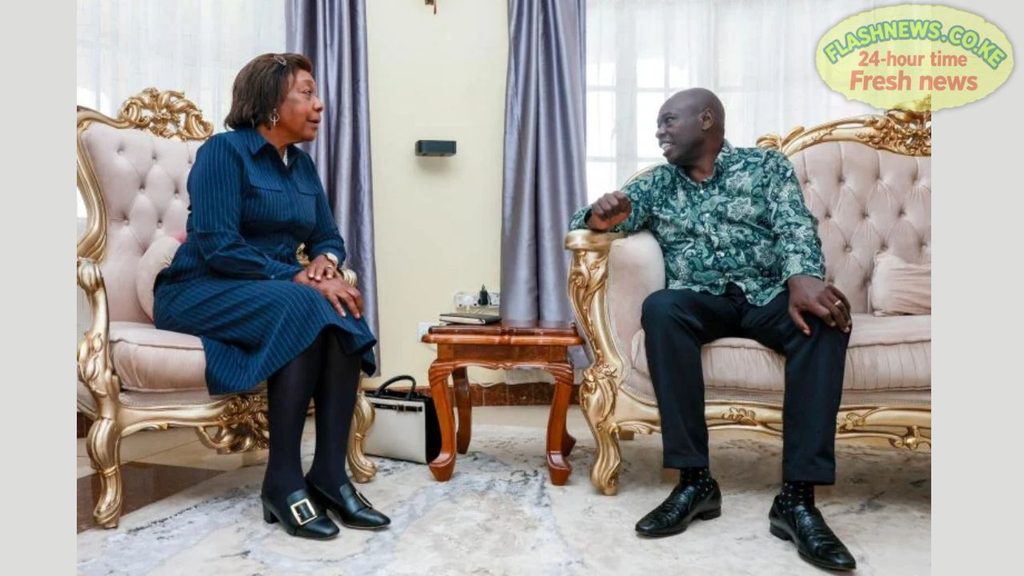
Gachagua hosted the former Kitui Governor at his Wamunyoro residence in Nyeri County on Tuesday, November 3, 2026, where discussions centred on the formation and success of the National Rainbow Coalition (NARC), the opposition alliance that ended KANU’s 24-year rule in 2002.
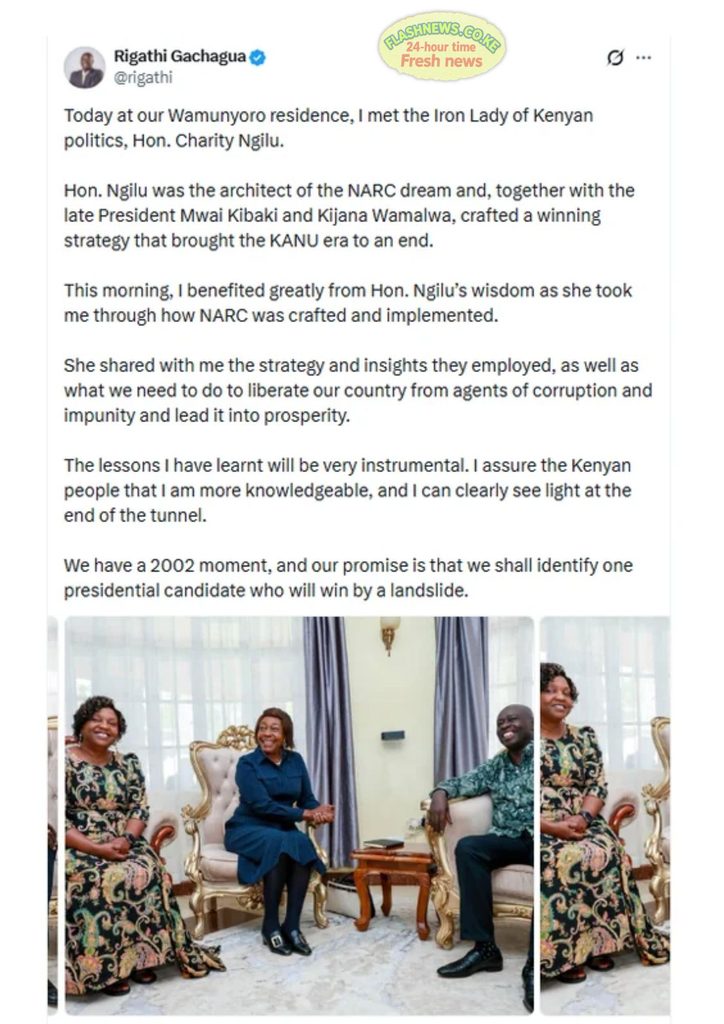
In a statement after the meeting, Gachagua described Ngilu as the “Iron Lady of Kenyan politics” and credited her with helping shape the political strategy that brought together different opposition groups behind the late President Mwai Kibaki.
He said Ngilu shared insights into the negotiations, political compromises and organisational decisions that enabled NARC to unite its members and challenge the ruling party.
“This morning, I benefited greatly from Hon. Ngilu’s wisdom as she took me through how NARC was crafted and implemented,” Gachagua said.
He added that the discussions also addressed the need to confront corruption and impunity and develop a political approach focused on the country’s prosperity.
Gachagua suggested that the opposition was approaching a defining political moment similar to the period before the 2002 elections.
“We have a 2002 moment, and our promise is that we shall identify one presidential candidate who will win by a landslide,” he said.
The meeting is part of Gachagua’s ongoing consultations with political figures as he pushes for opposition parties to agree on a single presidential candidate for the next election.
How the 2002 NARC alliance defeated KANU
The political blueprint discussed by Gachagua and Ngilu draws from one of the most significant transitions in Kenya’s multiparty history.
Before the December 2002 General Election, opposition parties faced the challenge of competing against KANU, which had governed Kenya for 24 years under former President Daniel arap Moi.
Several opposition leaders recognised that divisions among their parties could weaken their chances of defeating the ruling party. Negotiations therefore began to bring different political formations together.
The Democratic Party, FORD-Kenya and Charity Ngilu’s Social Democratic Party were among the parties that joined the National Alliance of Kenya (NAK), which settled on Mwai Kibaki as its presidential candidate.
The alliance later joined forces with Raila Odinga’s Liberal Democratic Party (LDP), whose leaders had fallen out with KANU over the party’s succession arrangements and Moi’s preferred presidential candidate, Uhuru Kenyatta.
The expanded opposition grouping became the National Rainbow Coalition.
At a major rally at Nairobi’s Uhuru Park, Raila famously endorsed Kibaki with the declaration “Kibaki Tosha”, signalling support for a common opposition presidential candidate.
The coalition went on to win the December 2002 election. Kibaki secured approximately 62.2 per cent of the presidential vote, compared with Kenyatta’s 31.3 per cent.
NARC also won 125 of the 210 elected parliamentary seats, while KANU secured 64.
The result ended KANU’s long period in power and ushered in a new administration under Kibaki.
However, the alliance later experienced internal disagreements over power-sharing arrangements, government appointments and constitutional reforms. The death of Vice-President Michael Kijana Wamalwa in 2003 was another major setback for the coalition.
The political differences that followed eventually weakened the unity that had brought the opposition together.
Gachagua’s push for a single opposition candidate
Gachagua’s meeting with Ngilu comes amid a series of engagements involving opposition leaders seeking to establish a common political platform ahead of the August 10, 2027 General Election.
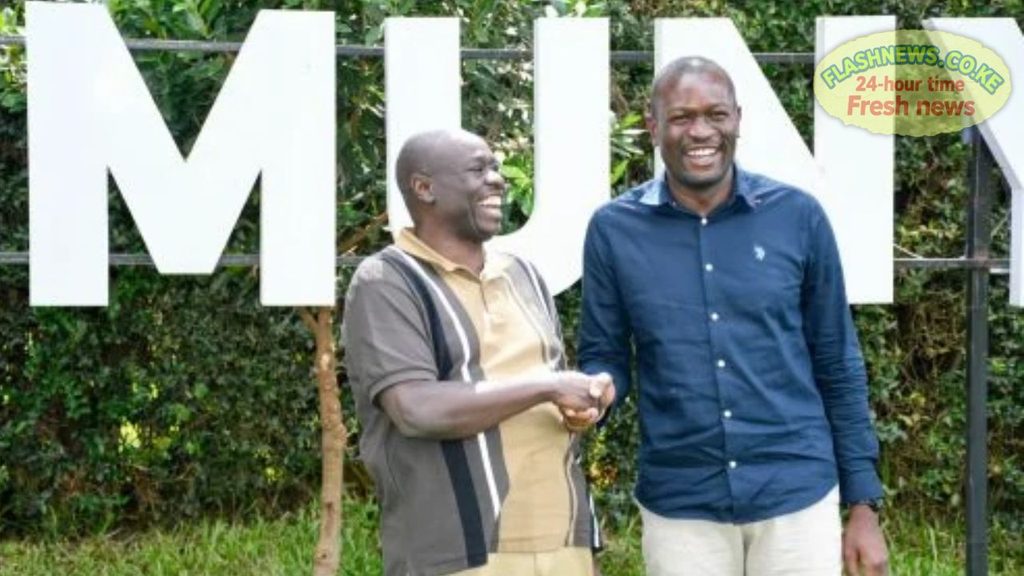
On October 20, Gachagua hosted Nairobi Senator Edwin Sifuna and leaders associated with the Linda Mwananchi movement at Wamunyoro.
The discussions focused on cooperation between the political formations and the possibility of supporting a single presidential candidate. The meeting brought together figures from Gachagua’s Democracy for the Citizens Party (DCP) and the political group associated with Sifuna.
Gachagua subsequently hosted Wiper Patriotic Front leader Kalonzo Musyoka at his residence on October 26. The two leaders discussed opposition cooperation and the search for a common presidential candidate.
The consultations reflect an effort to bring together different political parties and leaders before the next election. However, the identity of any eventual joint candidate remains unsettled.
Gachagua’s reference to the 2002 NARC arrangement suggests that he wants the opposition to draw lessons from the earlier coalition, particularly the importance of negotiations and agreeing on one presidential candidate.
Opposition unity faces competing interests
Despite calls for a united front, opposition leaders continue to face the challenge of accommodating different political ambitions, party interests and regional constituencies.
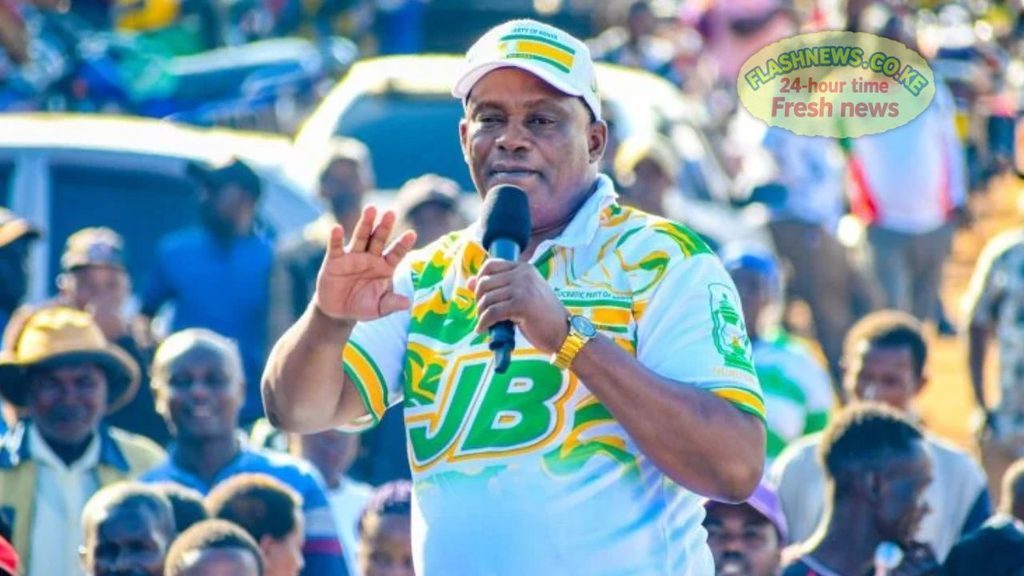
Democratic Party leader Justin Muturi has also raised concerns about the manner in which opposition negotiations are being conducted.
In remarks reported on November 2, Muturi criticised Gachagua, accusing him of political bullying and double-speak. He questioned whether the opposition’s discussions were giving sufficient attention to national unity and the process of selecting a presidential candidate.
Muturi’s remarks underline the disagreements that could complicate efforts to build a coalition ahead of the election.
A successful alliance would require more than public declarations of unity. Political parties would need to agree on the coalition’s structure, decision-making process, distribution of responsibilities and the method of selecting a presidential candidate.
The 2002 experience also shows that an electoral agreement does not automatically guarantee lasting unity once a coalition takes office.
Why Ngilu’s political experience matters
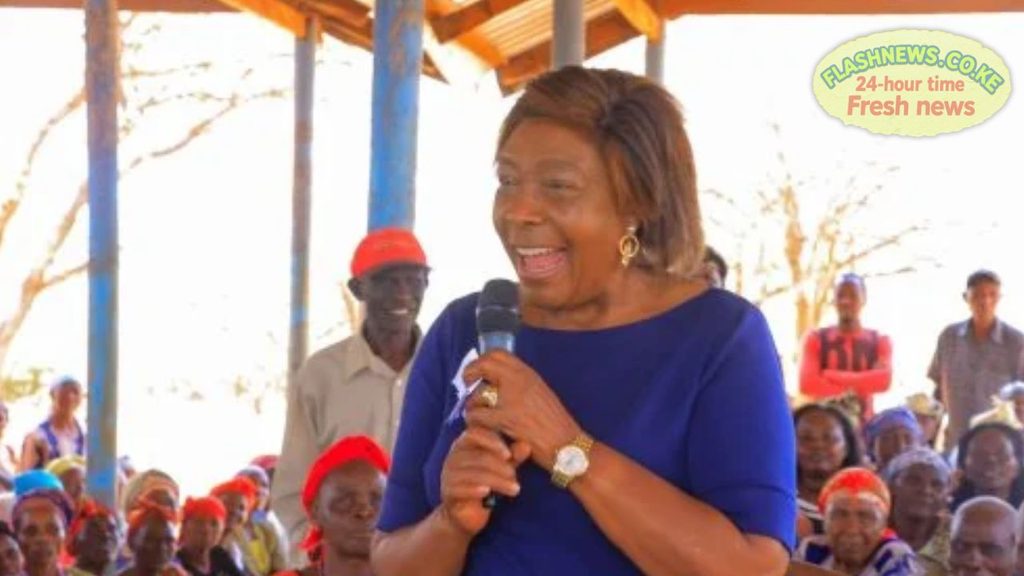
Ngilu is among the veteran politicians who played a prominent role in Kenya’s multiparty political era.
She contested the presidency in the 1997 General Election on a Social Democratic Party ticket, becoming one of the first women to seek the country’s highest office.
Her political career has also included serving as Kitui Central MP, Cabinet Secretary for Water and Irrigation and Governor of Kitui County.
Her involvement in the negotiations that produced NARC gives her direct experience of the political compromises required to unite parties behind a common presidential candidate.
For Gachagua, the meeting offers an opportunity to draw from that experience as opposition leaders explore possible cooperation ahead of 2027.
Whether the current opposition can reproduce the political unity that characterised NARC remains to be seen. For now, Gachagua’s engagement with Ngilu adds another meeting to the growing series of consultations focused on a single opposition presidential candidate.
Also Read: Gakuya Rejects Calls to Step Down for Babu Owino in Nairobi Race