


Ferdinand Ndung’u Waititu, popularly known as Baba Yao, rose from a Nairobi councillor to become the Governor of Kiambu County, but his political career was later overshadowed by impeachment, corruption convictions and a series of court battles.
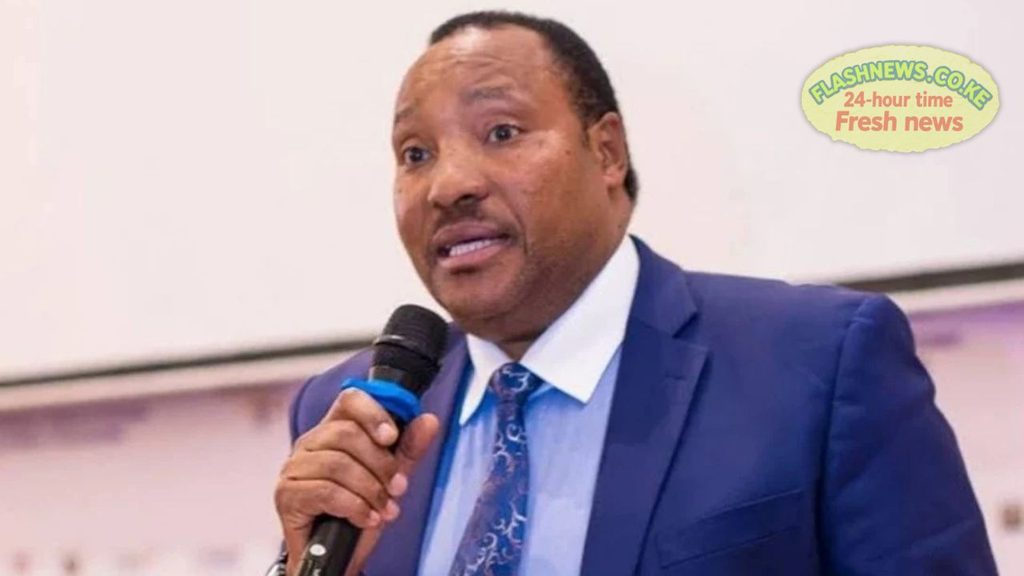
Ferdinand Waititu is one of Kenya’s most recognisable political figures whose journey from local government to the governor’s office was marked by electoral victories, controversy and a dramatic fall from power.
He built his political profile through grassroots politics in Nairobi before becoming a Member of Parliament, serving in the national government and eventually winning the Kiambu governorship in 2017.
However, his tenure as governor was cut short by impeachment proceedings in 2019. His subsequent conviction in a major corruption case linked to a KSh588 million county road tender further complicated his political future.
As he continues to challenge court decisions, Waititu’s story remains a notable example of the changing fortunes of Kenyan politics.
From Nairobi councillor to national politics
Waititu began his political career in Nairobi, where he served as a councillor representing Njiru Ward.
His involvement in local government helped him build a political network and establish himself as a grassroots leader. He later became Nairobi Deputy Mayor before joining the national government as Assistant Minister for Water and Irrigation under former President Mwai Kibaki.
In 2008, Waititu won the Embakasi parliamentary seat, giving him a larger platform in national politics.
He served as Embakasi MP until 2013, when he unsuccessfully contested the Nairobi governorship during the first General Election under the devolved system of government.
Although he failed to win the Nairobi governor’s seat, Waititu remained politically active.
In 2015, he returned to Parliament after winning the Kabete constituency by-election, following the death of area MP George Muchai.
His victory strengthened his political influence in the Mount Kenya region and set the stage for his next major contest.
How Baba Yao became Kiambu Governor
Waititu’s biggest political breakthrough came in 2017 when he contested the Kiambu gubernatorial seat on a Jubilee Party ticket.
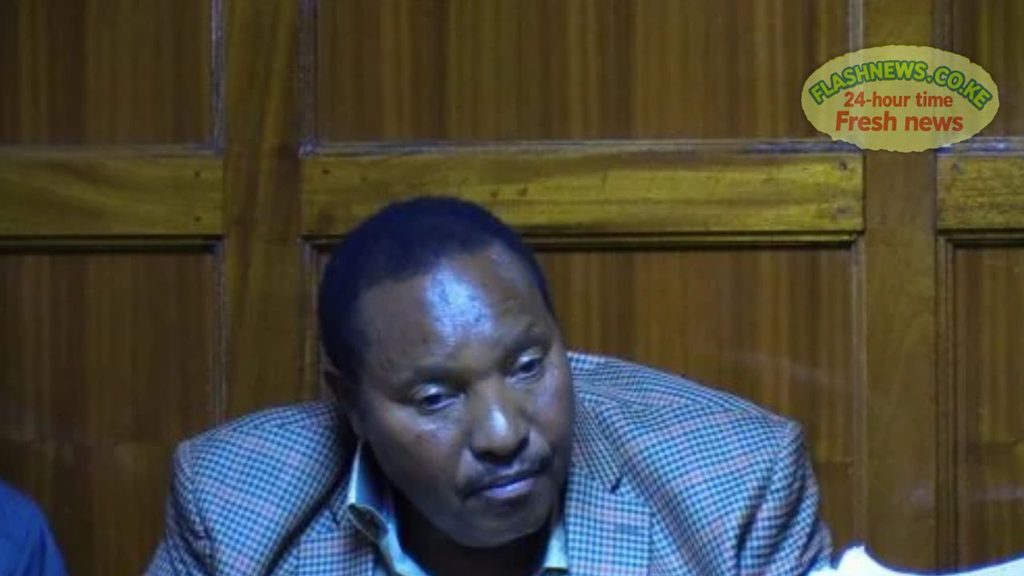
He defeated incumbent Governor William Kabogo in the party primaries before going on to win the August 2017 General Election.
His victory marked a significant shift in Kiambu politics, ending Kabogo’s first term and placing Waititu at the helm of one of Kenya’s politically influential counties.
The nickname Baba Yao became closely associated with his political identity, while his grassroots campaigning helped him connect with supporters across the county.
His rise, however, was accompanied by political disputes and growing scrutiny over the management of the county government.
A report by People Daily examining his political struggles in Kiambu documented some of the challenges surrounding his leadership and position in the county.
Impeachment ended his governorship
Waititu’s time at City Hall in Kiambu came to an abrupt end following impeachment proceedings initiated by members of the County Assembly.
On December 19, 2019, Kiambu MCAs voted to remove him from office over allegations that included gross misconduct, abuse of office and violations of constitutional and public finance requirements.
The Senate subsequently upheld his removal in January 2020, making him the first Kiambu governor to lose office through impeachment.
Waititu challenged the decision in court, seeking to overturn his removal.
However, the High Court later upheld the impeachment, dealing a major blow to his attempts to return to the governor’s office.
His removal marked a turning point in a political career that had taken him from a Nairobi councillor to the leadership of Kiambu County.
The KSh588 million road tender corruption case
Waititu’s legal troubles continued after his removal from office, particularly over a county road construction tender valued at approximately KSh588 million.
The case concerned a contract awarded to Testimony Enterprises Limited during the 2017/2018 financial year to upgrade gravel roads to bitumen standards in several parts of Kiambu County.
The investigation focused on allegations of irregular procurement, conflict of interest, abuse of office and the handling of public funds.
The Ethics and Anti-Corruption Commission investigated the matter before the accused persons were charged in court.
On February 12, 2025, the anti-corruption court found Waititu guilty of corruption-related offences arising from the tender.
The following day, Chief Magistrate Thomas Nzioki sentenced him to 12 years in prison or an alternative fine of KSh53.5 million.
The court also barred him from holding public office for 10 years.
Waititu’s wife, Susan Wangari, and other individuals linked to the case were also convicted and sentenced on various charges.
The convictions marked one of the most significant legal setbacks in the former governor’s political career.
High Court upholds conviction and 12-year sentence
Waititu challenged his conviction and sentence, but his appeal suffered another major setback in October 2026.
On October 14, 2026, High Court Judge Rose Ougo upheld the convictions and the 12-year prison sentence imposed in the road tender case.
The court also allowed the State’s cross-appeal against the earlier acquittals on three money laundering counts, setting aside those acquittals and entering convictions.
The decision affected Waititu, his wife and other accused persons linked to the disputed transactions.
Following the ruling, Waititu was returned to custody as the case proceeded to further sentencing proceedings.
On October 30, 2026, he moved to the Court of Appeal to challenge the High Court decision.
The appeal seeks to overturn the October 14 judgment, including the decisions affecting his convictions and those of other accused persons.
Waititu receives additional sentences over money laundering
The legal developments took another turn on November 2, 2026, when Milimani Anti-Corruption Chief Magistrate Harrison Barasa imposed additional penalties against Waititu over three money laundering counts.
The former governor was fined a total of KSh21 million or faces a further 13 years in prison in default of payment.
The penalties comprised KSh10 million or five years in prison on one count, KSh6 million or four years on another, and KSh5 million or four years on the third.
The magistrate directed that the sentences run concurrently, in line with the High Court’s earlier directions.
The additional penalties relate to transactions involving money transferred from Testimony Enterprises Limited to companies associated with Waititu and his wife.
The latest sentencing developments have added another layer to his legal battle, although his appeal against the October High Court judgment remains an important part of the proceedings.
Waititu returns to politics through the Farmers Party
Despite his removal from office and subsequent court battles, Waititu has remained connected to Kenya’s political scene.
In February 2025, he was named party leader of the Farmers Party, giving him another political platform after his exit from the Kiambu governorship.
The appointment demonstrated that he remained interested in political organisation even as his legal challenges continued.
However, his criminal convictions and the court order barring him from holding public office for 10 years present major obstacles to any immediate return to elective or appointed public office.
His political future will therefore remain closely tied to the outcome of his legal appeals and the applicable restrictions imposed by the courts.
The rise and fall of Baba Yao
Ferdinand Waititu’s political journey has taken him through several important stages of Kenya’s political system.
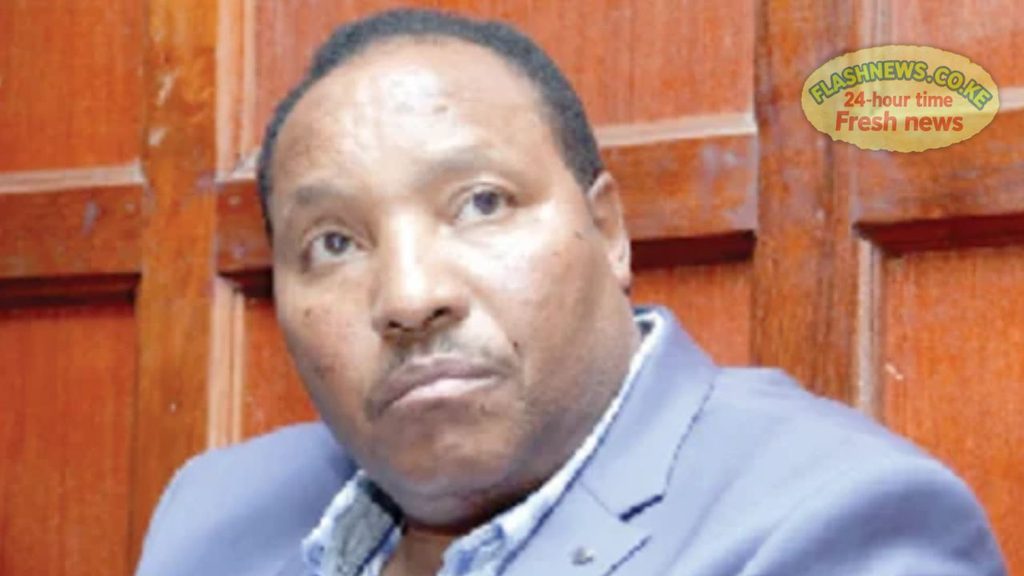
From his early days as a Nairobi councillor, he rose to become Deputy Mayor, Assistant Minister, Member of Parliament and eventually Governor of Kiambu County.
His 2017 gubernatorial victory marked the peak of his political influence, but impeachment and corruption convictions fundamentally changed his fortunes.
With the High Court having upheld his 12-year sentence and imposed further penalties over money laundering, Waititu now faces a difficult legal and political battle.
His appeal will be closely watched as he seeks to challenge the decisions that have kept him away from public office and placed his political future in uncertainty.
Also Read: Muturi Accuses Gachagua of Political Bullying