


Democratic Party leader Justin Muturi has challenged former Deputy President Rigathi Gachagua over his approach to opposition politics, warning that intimidation, political ultimatums and attempts to dominate smaller parties could undermine efforts to unite against President William Ruto ahead of the 2027 General Election.
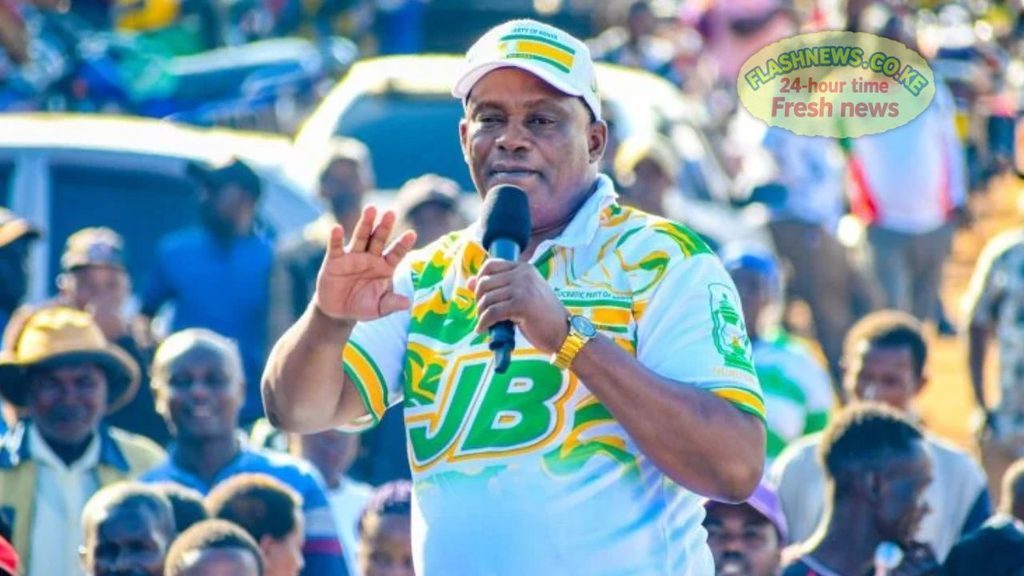
The former Attorney General accused Gachagua, who leads the Democracy for the Citizens Party (DCP), of pursuing a political strategy that risks weakening cooperation among opposition leaders.
In a strongly worded statement issued on Monday, November 2, 2026, Muturi argued that no individual or ethnic community could claim ownership of the opposition movement or assume that the presidency could be secured without broad national support.
He called on Gachagua to abandon what he described as political bullying and double-speak, insisting that opposition parties should engage one another through consultation, compromise and mutual respect.
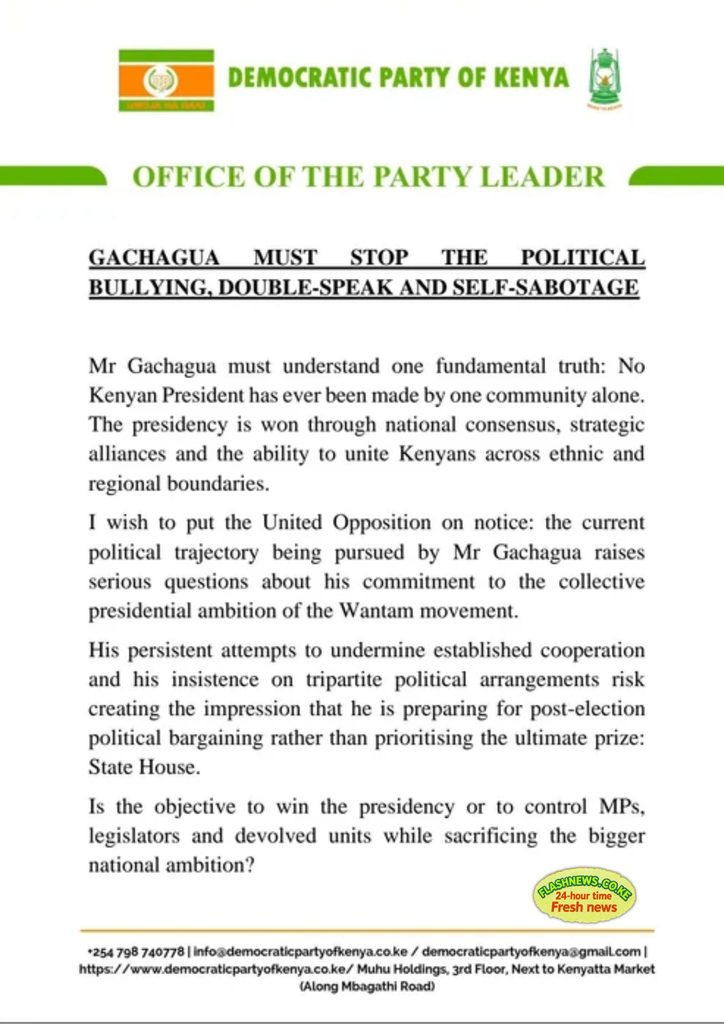
“Mr Gachagua must understand one fundamental truth: No Kenyan President has ever been made by one community alone. The presidency is won through national consensus, strategic alliances and the ability to unite Kenyans across ethnic and regional boundaries,” Muturi said.
The Democratic Party leader also questioned whether the opposition’s priority was to win the presidency or secure political influence through parliamentary and county-level positions.
“Is the objective to win the presidency or to control MPs, legislators and devolved units while sacrificing the bigger national ambition?” he posed.
Muturi challenges Gachagua over tripartite arrangement
Muturi took issue with the proposed tripartite arrangement, arguing that dividing opposition parties into separate political formations would not automatically guarantee victory in the 2027 presidential election.
He warned that disagreements over coalition structures could weaken the opposition’s bargaining power at a time when leaders should be concentrating on developing a common strategy.
“A tripartite arrangement is not a magic formula for State House. Fragmenting an opposition that needs unity raises serious questions about the political direction being pursued,” he said.
Muturi maintained that political partnerships should be built on equality and mutual respect rather than pressure from influential individuals or parties.
He further insisted that no single leader had the authority to dictate how other political formations should organise themselves or participate in coalition negotiations.
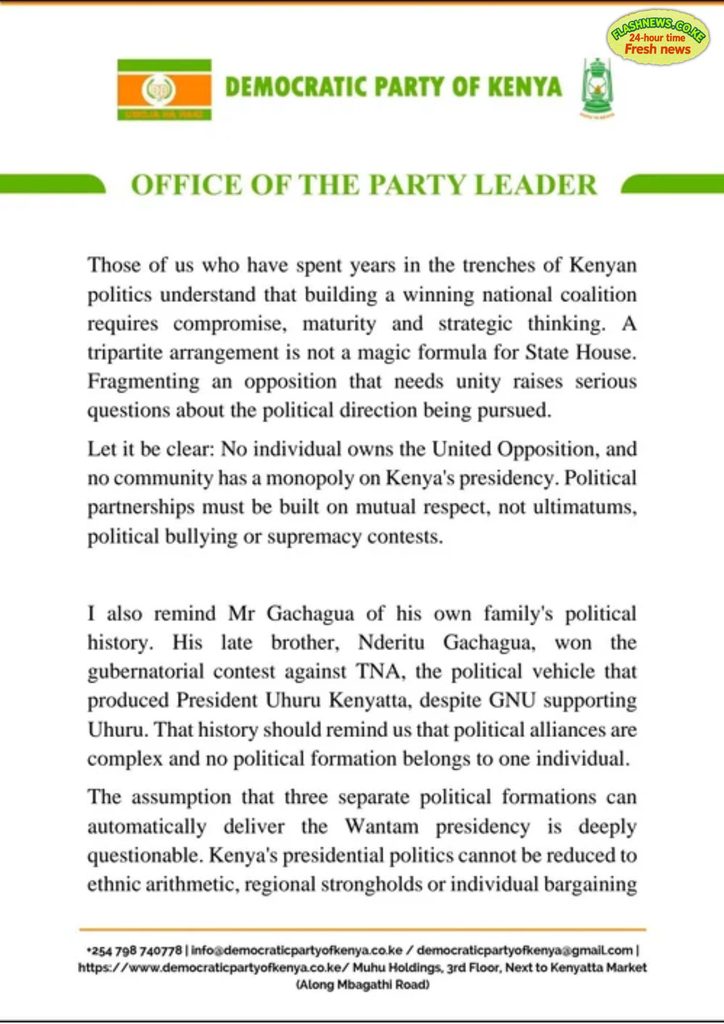
“Let it be clear: No individual owns the United Opposition, and no community has a monopoly on Kenya’s presidency. Political partnerships must be built on mutual respect, not ultimatums, political bullying or supremacy contests,” he added.
The former Attorney General also referred to the political history of Gachagua’s late brother, former Nyeri Governor Nderitu Gachagua, to illustrate the complexities of political alliances.
Muturi recalled that Nderitu won the Nyeri gubernatorial contest against The National Alliance (TNA), the party associated with former President Uhuru Kenyatta, despite the political alignments involving GNU at the time.
He argued that such political experiences demonstrate why alliances should not be treated as permanent ownership of particular regions or voting blocs.
Fresh tensions over control of opposition parties
Muturi’s latest remarks come amid continuing disagreements among opposition leaders over the leadership, organisation and electoral strategy of the coalition seeking to challenge President Ruto in 2027.
In August 2026, Muturi joined Party of National Unity leader Peter Munya and Devolution Empowerment Party leader Lenny Kivuti in opposing proposals for smaller opposition parties to dissolve and join Gachagua’s DCP.
The leaders objected to what they viewed as attempts to undermine partner parties and dictate their political future.
They argued that opposition cooperation should not require political parties to abandon their identities, structures or independence.
Gachagua, on the other hand, has called for political consolidation, particularly among parties seeking to negotiate a stronger position within the opposition.
He has argued that parties seeking influence in coalition negotiations should demonstrate their grassroots support and political strength.
The disagreement has exposed a major challenge facing the opposition: how to build a united political front while allowing individual parties and leaders to retain their identities and ambitions.
Despite the differences, Muturi and his allies have maintained that their criticism does not amount to abandoning cooperation with Gachagua and other opposition figures.
Opposition leaders under pressure to settle on one presidential candidate
The disagreements are unfolding as opposition leaders explore ways of agreeing on a single presidential candidate to challenge Ruto in the 2027 General Election.
On October 26, Gachagua hosted Wiper Patriotic Front leader Kalonzo Musyoka at his Wamunyoro residence in Nyeri for discussions on opposition unity.
Following the meeting, the two leaders reiterated their commitment to supporting one presidential candidate, with Gachagua indicating that opposition politicians would have to make sacrifices to achieve a common electoral position.
The engagement came amid wider consultations involving other political figures and emerging movements within the opposition.
Gachagua has also hosted Nairobi Senator Edwin Sifuna and members of the Linda Mwananchi movement at his Wamunyoro residence, highlighting efforts to bring different political groups into discussions about the country’s political future.
However, the talks have also exposed difficult questions about how the opposition will select its presidential candidate, distribute political responsibilities and accommodate competing ambitions.
Can the opposition overcome its internal differences?
With the 2027 elections approaching, opposition leaders face the challenge of balancing individual political ambitions with the need for a coordinated national campaign.
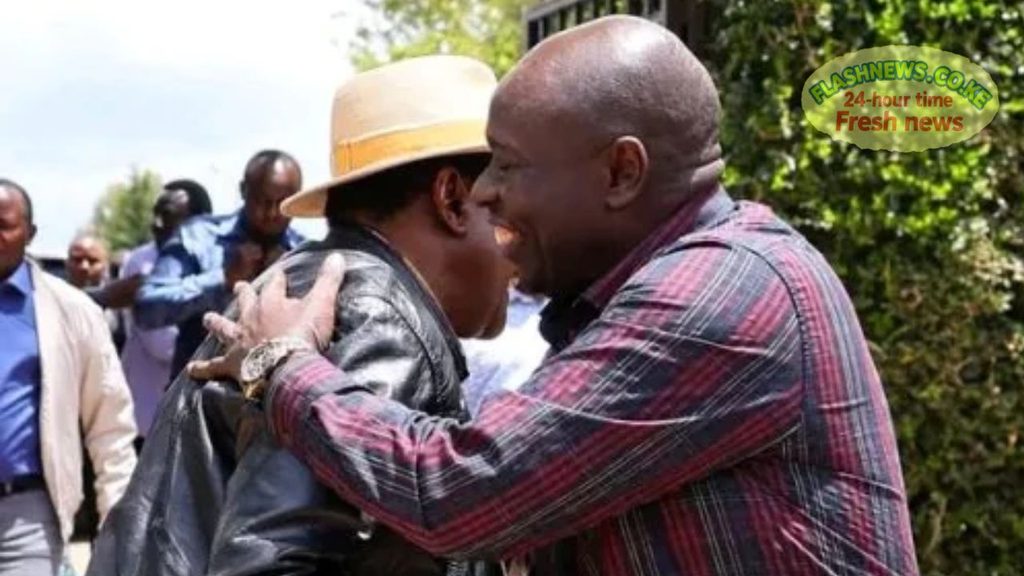
Muturi’s latest warning highlights concerns that disagreements over party structures and leadership could weaken the opposition before it faces the ruling coalition at the ballot.
The question now is whether Gachagua, Kalonzo, Muturi and other opposition figures can agree on a framework that protects the interests of their respective parties while giving the coalition a realistic chance of mounting a united presidential campaign.
Their ability to resolve these differences could significantly shape the opposition’s direction and its prospects in the 2027 General Election.
Also Read: Karauri Hits Out at Sakaja Over ODM Defection