






COTU Secretary General Francis Atwoli has warned that the Orange Democratic Movement (ODM) could face an uncertain future following the death of its former party leader, Raila Odinga, cautioning members against failing to protect the political movement he left behind.
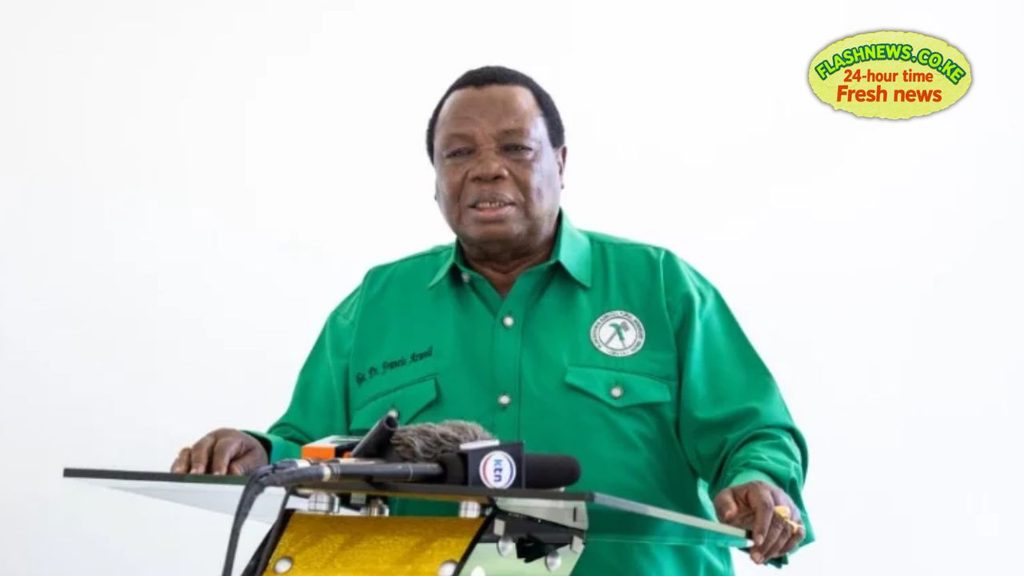
Speaking during an interview with a local media station on Friday, October 16, 2026, Atwoli drew a comparison with a Luhya cultural practice associated with death and the preservation of a deceased person’s belongings to illustrate the importance of having people who can safeguard a political legacy.
The veteran trade unionist, who was a close ally of Raila, warned that ODM could struggle to survive if its members failed to provide the leadership and direction needed to preserve the party’s identity.
“If they are not careful, there will be no ODM,” Atwoli cautioned.
His remarks come at a critical moment for the opposition party as it confronts the challenge of maintaining unity, leadership continuity and political influence following the death of its longtime leader.
Dennis Onyango Warns Over ODM Nominations
Atwoli’s warning came a day after Dennis Onyango, a former aide to Raila Odinga, cautioned that ODM’s future could be threatened if it mishandled its nominations ahead of the 2027 General Election.
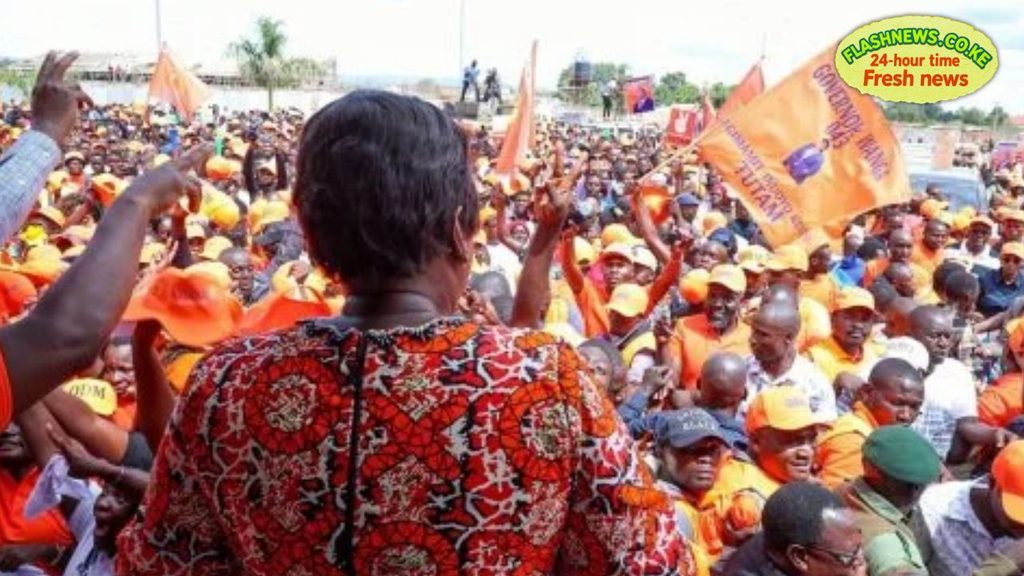
Speaking during an interview with K24 TV on Wednesday, October 14, 2026, Onyango said the party’s survival would depend significantly on whether it conducted credible internal elections and awarded tickets to candidates who legitimately won.
“If they mismanage the nomination, I don’t think ODM will go beyond 2027,” Onyango said.
He explained that Raila had wanted to build ODM into a durable political institution capable of surviving beyond his leadership and that of those who would eventually succeed him.
“I think he wanted to build a party in the league of ANC, CCM, and the Labour Party of the UK. He wanted a party that would always be there, would outlive him and outlive those who inherit it from him and on and on,” Onyango said.
His remarks highlighted the challenge of transforming a party closely associated with one dominant political figure into an institution capable of maintaining its identity across successive generations of leaders.
ODM’s Future Beyond the 2027 Elections
Onyango expressed uncertainty about whether ODM would achieve Raila’s ambition, arguing that its performance in the 2027 elections and the credibility of its nomination process would be critical.
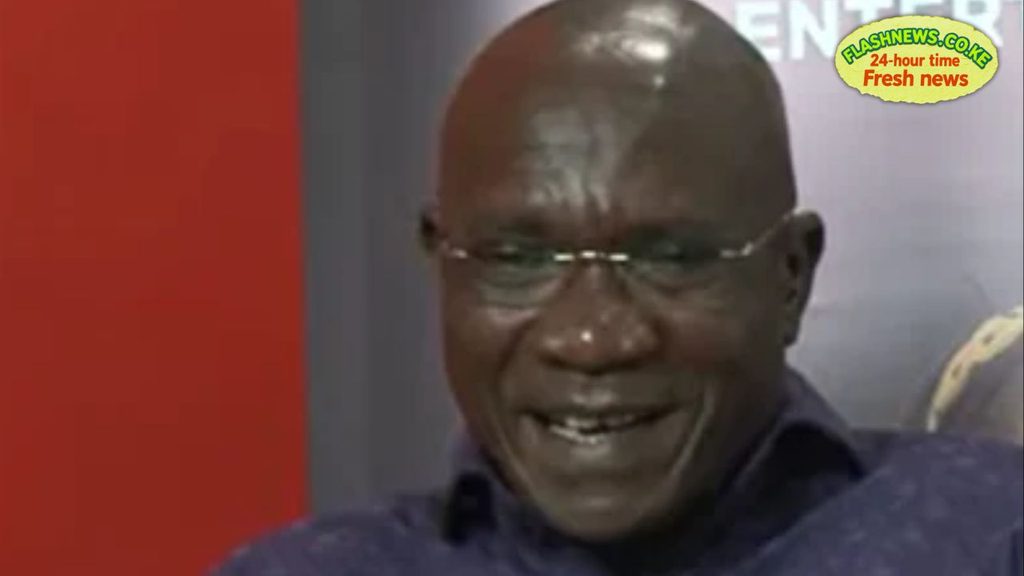
He suggested that winning a substantial number of seats would help the party maintain its political relevance beyond the next General Election.
“I think if ODM manages to get substantial seats in the 2027 election, it will have a life going into 2032. But a lot will depend, in my view, on the nominations in ODM,” he said.
Onyango also warned that a nomination process perceived as manipulated or unfair could alienate party members and weaken ODM’s electoral prospects.
The concerns place the party’s internal democratic processes at the centre of discussions about its future, particularly as aspirants prepare to compete for elective positions.
Leadership and Unity Under Scrutiny
Atwoli’s remarks and Onyango’s assessment point to a shared concern about ODM’s ability to preserve its political legacy after Raila’s death.
The party faces the task of maintaining unity among competing interests while establishing leadership arrangements and internal processes that command the confidence of its members.
Credible nominations, effective leadership and the ability to retain electoral support are likely to shape its position in the 2027 General Election.
Whether ODM can fulfil Raila’s ambition of building a party that outlives its founding political figures remains an open question, with the coming election expected to provide an important test of its organisational strength.
Also Read: Luanda MP Dick Maungu Raises Alarm as 13 Pupils Reportedly Quit School for Gold Mining