






‘Barbaric!’: Kakamega’s Bullfighting Premier League Gets a Red Flag from the U.S
An American animal rights organization has raised strong objections to the proposed Kakamega County Bullfighting Premier League, which is scheduled to begin in 2026. People for the Ethical Treatment of Animals (PETA) Asia has labeled the initiative as a form of animal cruelty and called for its immediate suspension.
In an official statement issued to newsrooms, Jason Baker, Senior Vice President of PETA Asia, criticized the planned league, warning that it could damage Kenya’s international reputation as a country known for wildlife conservation and ethical tourism.
“Bullfighting is an antiquated spectacle from a time when humans had far less understanding of animals and their needs. Bullfighting is not culture, it’s cruelty,” Baker stated.
According to PETA, institutionalizing bullfighting promotes violence against animals under the pretext of preserving tradition. The organization maintains that such practices are incompatible with modern values of animal welfare and ethical treatment.
Baker expressed concern over Kakamega County’s decision to formalize bullfighting events, asserting that doing so sends the wrong message both domestically and internationally. “This is a terrible idea. And it’s not just bad news for animals—it’s bad for the people of Kakamega and for the nation’s reputation,” he said.
PETA acknowledged Kenya’s rich heritage in music, art, and sports, but emphasized that cultural expression should not come at the expense of animal suffering. The organization argues that competition and entertainment should be reserved for human participants who willingly choose to take part, not for animals that have no say in the matter.
Baker further described bullfighting as an inherently cruel activity that forces animals into distressing and violent encounters. According to him, bulls are sentient beings capable of feeling fear and pain. He explained that these animals are typically peaceful and social, and that their aggression during fights is artificially provoked rather than natural.
“Bulls are complex animals with unique personalities who form sophisticated social bonds. They are peaceful and social by nature. They don’t want to participate in ‘bullfighting,’ a misleading term, since the bulls aren’t truly ‘fighting’ but are provoked into aggression,” Baker added.
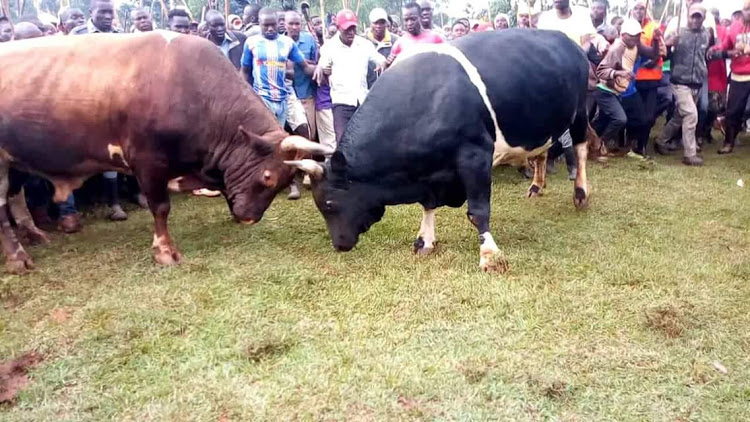
PETA’s condemnation follows the announcement of the bullfighting league by the county government, led by Governor Ferdinand Barasa. The county administration has defended the initiative as a means of cultural enrichment and economic development.
According to the county’s plan, the bullfighting league will feature competitions between top bulls from all 12 sub-counties. The program is intended to draw spectators and boost local tourism. A cash prize of Ksh200,000 will be awarded to the ultimate champion.
Governor Barasa emphasized that bullfighting has long been a cultural hallmark of the Luhya community. He stated that the sport has played a significant role in uniting families and promoting communal identity. “For decades, bullfighting has been part of our identity as the Luhya people. It brings families and communities together and symbolizes strength, honour, and celebration,” he remarked during the official launch of the initiative.
The proposal has been met with enthusiasm by many local residents and bullfighting fans. They see the league as an opportunity to formalize and promote a tradition that has existed for generations. In their view, the sport fosters unity and offers entertainment during communal gatherings.
Despite local support, PETA maintains that the league undermines ethical standards in animal welfare. The organization urged both local and national authorities to reconsider their stance and seek alternative forms of cultural expression that do not involve animal suffering.
PETA argues that cultural practices should evolve in tandem with society’s growing understanding of animal rights. The group noted that many cultures around the world have abandoned practices once deemed traditional but later recognized as inhumane.
Furthermore, PETA warned that international tourists, many of whom choose Kenya as a destination due to its wildlife conservation efforts, may view the league negatively. According to the organization, the move risks alienating ethically conscious visitors and harming Kenya’s brand as a responsible tourism hub.
The debate over bullfighting in Kakamega reflects broader tensions between cultural preservation and animal welfare. While the county government views the league as a celebration of heritage, critics argue that it normalizes violence and ignores ethical considerations.
Animal rights advocates are calling on policymakers to initiate public dialogue on the issue. They suggest that traditional events can be modernized or replaced with symbolic representations that do not involve live animals.
As the planned start date of the league approaches, pressure is likely to mount on the Kakamega County administration. PETA and other advocacy groups are expected to intensify campaigns aimed at halting the initiative.
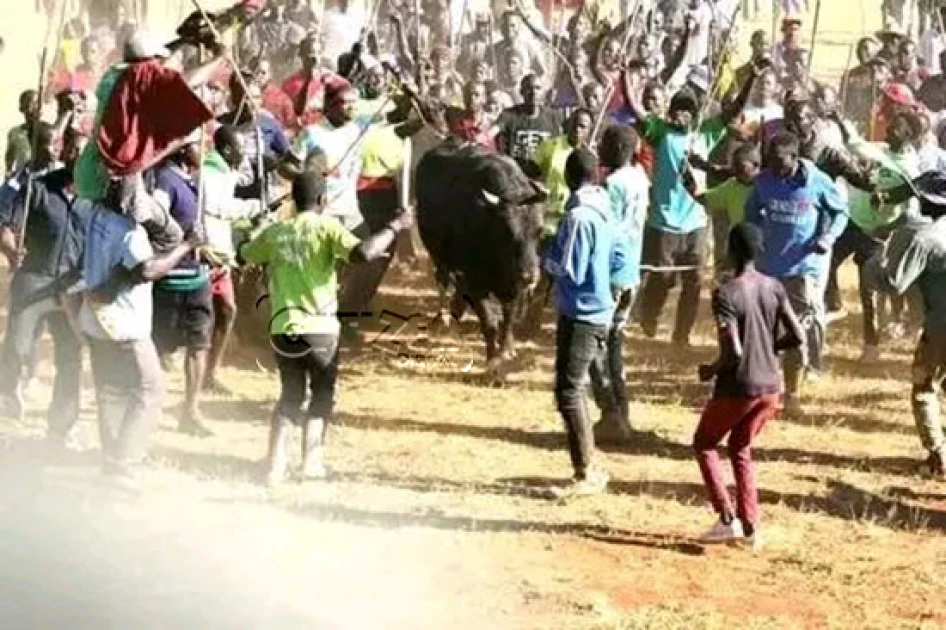
In conclusion, the proposed Kakamega Bullfighting Premier League has sparked significant controversy. While intended to preserve cultural identity and promote tourism, the plan faces growing opposition from animal rights organizations. As public debate continues, the county’s leaders will be under scrutiny to balance heritage with ethical responsibility.
Also Read: Samidoh Sparks Fears with Cryptic Post About His Death
‘Barbaric!’: Kakamega’s Bullfighting Premier League Gets a Red Flag from the U.S