

Fuel Price Shock Sparks Nationwide Matatu Fare Hikes as Operators Sound Alarm
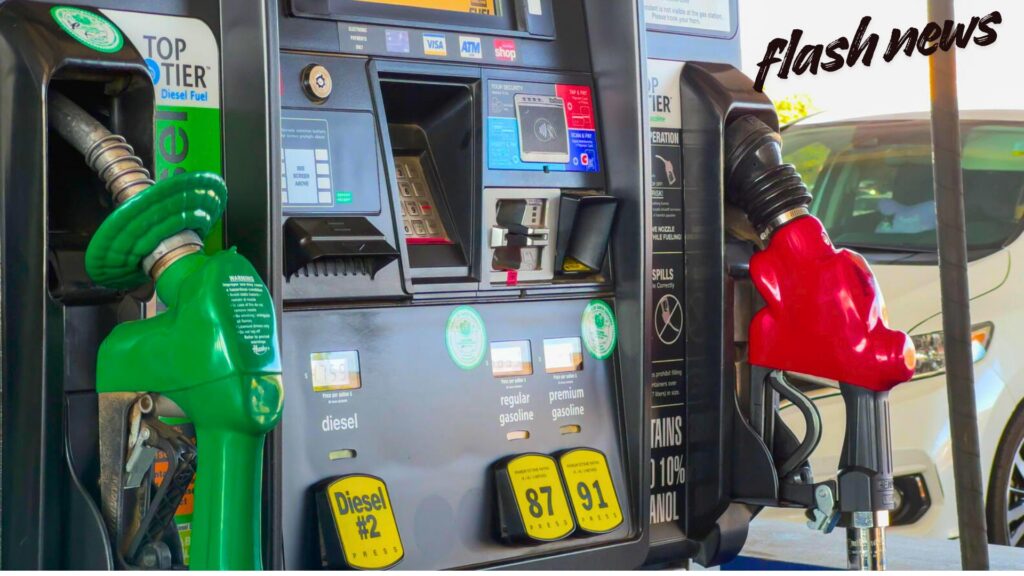





Transport operators and matatu saccos across Kenya have announced immediate fare increases following the latest fuel price review by the Energy and Petroleum Regulatory Authority (EPRA), which took effect at midnight.
The move comes after EPRA raised the prices of key petroleum products for the April–May 2026 cycle, with diesel—widely used in public transport and freight—recording a sharp increase that has triggered a ripple effect across the transport sector and the wider economy.
EPRA Announces Steep Fuel Increases
In its latest review released on Tuesday, April 14, EPRA increased the price of Super Petrol by Ksh28.69 per litre and Diesel by Ksh40.30 per litre, while kerosene prices remained unchanged, offering only limited relief to households.
Following the adjustment, Super Petrol, Diesel, and Kerosene will now retail at:
- Ksh206.97 per litre for Super Petrol
- Ksh206.84 per litre for Diesel
- Ksh152.78 per litre for Kerosene
These prices will remain in effect from April 15 to May 14, 2026.
Transport Sector Warns of Immediate Impact
In response, the Kenya Transporters Association (KTA) issued an advisory warning that the significant rise in diesel costs would directly impact transport expenses and could not be absorbed by operators.
The association noted that diesel prices had surged by approximately Ksh40 per litre—representing a 24.5 per cent increase—which it described as a major shock to the cost structure of road freight services.
According to KTA, fuel accounts for nearly 55 per cent of total operating costs in road transport, meaning any fluctuation in pump prices has an immediate and substantial effect on pricing models across the sector.
Using its internal cost analysis formula, the association estimated that the latest hike translates to an overall increase of approximately 13 to 14 per cent in transport operating costs.
“Members are advised that such a substantial rise in input costs cannot be absorbed sustainably. It is therefore necessary for all members to immediately review their cost structures and adjust transport rates accordingly to reflect the new cost realities,” the association said.
Operators were further urged to engage clients and contractual partners transparently to maintain service continuity and prevent disruptions in supply chains.
Matatu Operators Confirm Fare Increases
Public service vehicle operators have also signalled immediate fare adjustments. Albert Karakacha, President of the Matatu Owners Association, confirmed that commuters should brace for higher fares from Wednesday, April 15.
“We have been consulting, and from tomorrow, we will push the prices for bus fares upwards. If you see the new prices, diesel has really gone up, and that is what we use most, so that has to go to the common mwananchi,” Karakacha said.
The announcement is expected to place additional financial strain on households already grappling with the rising cost of living.
Government Cushion Measures Announced
Meanwhile, EPRA indicated that despite the price hikes, the government had taken steps to cushion consumers. These include reducing Value Added Tax (VAT) on petroleum products from 16 per cent to 13 per cent and deploying approximately Ksh6.2 billion from the Petroleum Development Levy.
However, industry players warn that the relief measures may not be sufficient to offset the steep increase in operational costs.

With transport fares rising and supply chain costs set to climb, economists warn that the latest fuel adjustments could trigger broader inflationary pressures across the Kenyan economy.
Also read https://flashnews.co.ke/eacc-reports-72-conviction-rate-and-ksh7-4bn-recovered/