






Ruto Forms National Ebola Response Committee as U.S.-Backed Quarantine Facility Sparks Controversy
President William Ruto has announced the formation of a National Ebola Response Committee to coordinate Kenya’s preparedness and response efforts amid growing concerns over the Ebola outbreak in neighbouring countries and mounting scrutiny over a planned U.S.-funded quarantine facility in the country.
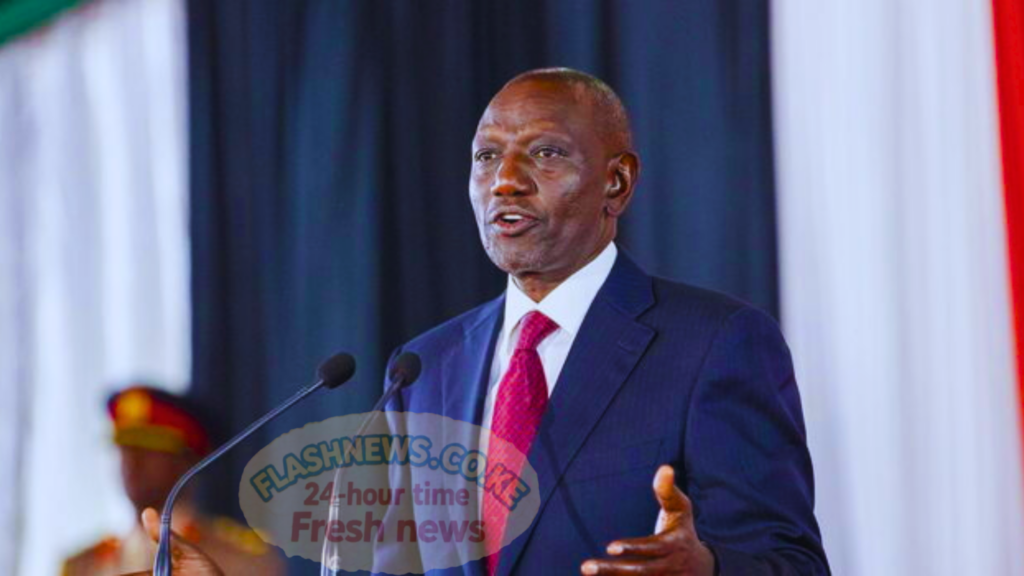
In a statement issued on Thursday, May 28, the President said the committee will be chaired by Musalia Mudavadi in his capacity as Prime Cabinet Secretary and Cabinet Secretary for Foreign and Diaspora Affairs.
According to the Head of State, the committee will spearhead a whole-of-government and whole-of-society response aimed at strengthening public awareness, enhancing preparedness, and mobilising the technical and financial resources required to respond to any potential Ebola-related emergencies.
“The Government will establish a National Response Committee under the leadership of the Prime Cabinet Secretary and Cabinet Secretary for Foreign and Diaspora Affairs to coordinate a whole-of-government and whole-of-society response, strengthen public awareness and preparedness, and mobilise the technical and financial resources necessary to address any eventualities arising from the Ebola outbreak,” Ruto said.
Committee Announced Amid Quarantine Facility Debate
The announcement comes at a time when the government is facing increasing public pressure over the approval of a United States-funded Ebola quarantine and treatment facility expected to be established at Laikipia Air Base in Nanyuki.
The facility forms part of a broader Kenya-U.S. partnership on disease preparedness following a telephone conversation between President Ruto and Marco Rubio. During the discussions, the United States committed approximately KSh1.74 billion towards strengthening Kenya’s Ebola preparedness and response systems.
However, the proposed quarantine centre has triggered widespread debate, with critics questioning the details of the agreement and the extent of public consultation conducted before its approval.
The Kenya Medical Practitioners, Pharmacists and Dentists Union has since issued a 48-hour ultimatum demanding greater transparency from the government and warning of possible industrial action should its concerns remain unaddressed.
Meanwhile, the Katiba Institute has moved to court seeking orders to halt the implementation of the project, arguing that key legal and public participation requirements must first be addressed.
High-Level Meeting at State House
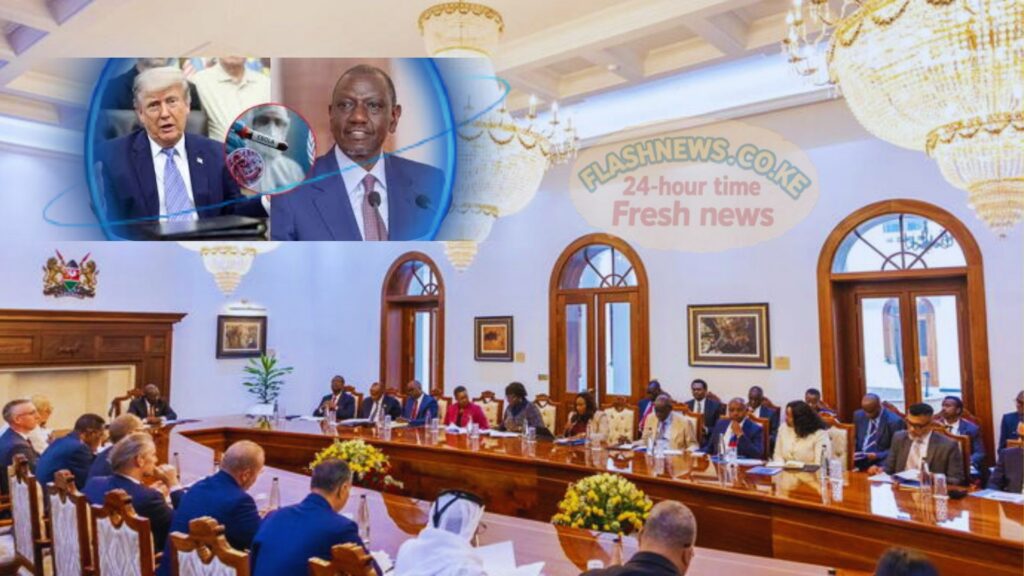
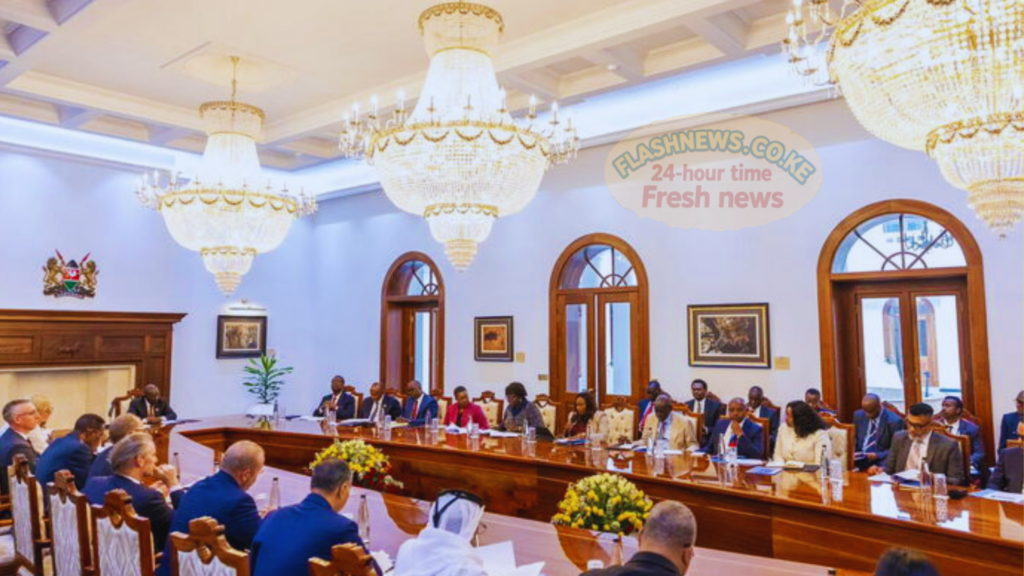
President Ruto announced the formation of the response committee after chairing a high-level consultative meeting at State House, Nairobi, bringing together diplomats, development partners, multilateral agencies and international stakeholders to assess Kenya’s readiness and discuss regional containment measures.
The meeting was attended by representatives from the United States, the United Kingdom, the European Union, France, Germany, China, Japan, India, Qatar, the United Arab Emirates, Saudi Arabia, Ethiopia and Türkiye, alongside officials from the Nairobi office of the United Nations and the UN Resident Coordinator’s Office.
Kenya Intensifies Surveillance Measures
As part of efforts to prevent a possible outbreak, the President said the government has already heightened surveillance and screening operations at 26 points of entry across the country.
According to Ruto, more than 58,000 travellers have so far undergone Ebola screening, with all suspected cases tested in Kenya returning negative results.
The President further disclosed that 17 isolation centres have been identified nationwide to strengthen emergency response capabilities and healthcare preparedness should any confirmed Ebola cases emerge.
Kenya is also working closely with international health agencies, including the World Health Organization, the Africa Centres for Disease Control and Prevention and the wider United Nations system.
The newly formed committee is expected to coordinate surveillance systems, laboratory capacity, cross-border disease monitoring, emergency response operations and healthcare preparedness as authorities seek to safeguard the country against the regional Ebola threat.
Also Read: Government Dismisses Claims Africans Must Exit Cambodia by May 31