






Kenya in Talks for Emergency Ship-Based Power Deal as Blackouts Deepen and Demand Hits Record High
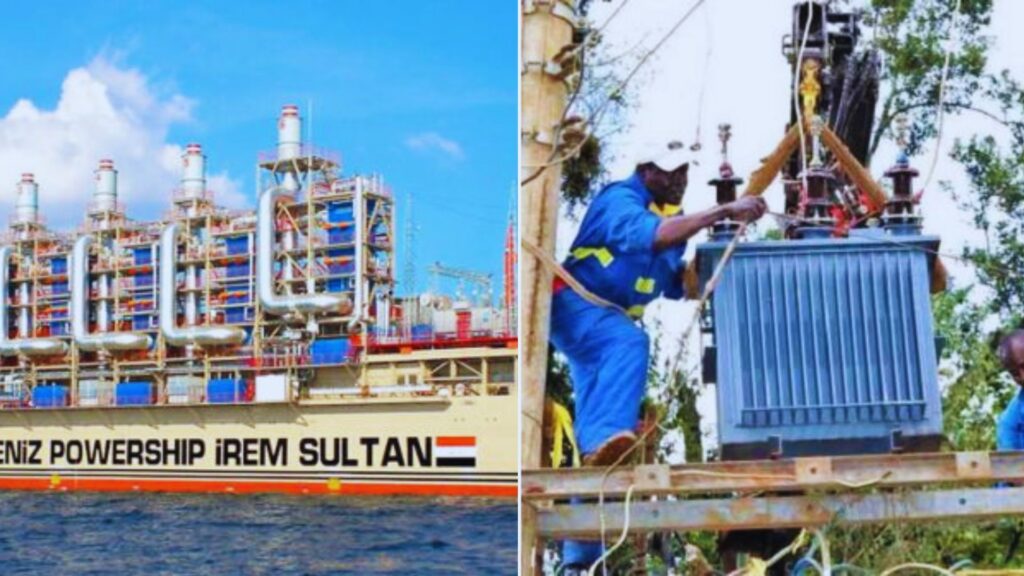
Kenya is considering an emergency deal with a Turkish energy giant to deploy floating power plants off its coastline as the country grapples with mounting electricity shortages, rising demand, and nationwide blackouts affecting millions.
The government is reportedly in advanced discussions with Istanbul-based energy firm Karpowership, which specialises in ship-mounted power plants capable of supplying electricity directly into national grids within weeks.
The move comes amid growing fears that Kenya’s overstretched electricity system may struggle to cope with surging demand, particularly during peak evening hours when households and industries consume the most power.
According to reports, talks between the government and the Turkish company began in 2024 and have since progressed significantly. Kenya Power Managing Director Joseph Siror confirmed that negotiations are ongoing, with authorities exploring urgent measures to stabilise the grid.
The floating plants, often described as “power stations at sea”, are designed to act as rapid-response electricity generators during crises. The vessels are anchored at ports and connected directly to the national grid, offering countries a temporary but immediate supply boost while long-term energy projects are developed.
Karpowership currently operates a fleet of 45 floating power stations across more than 20 countries spanning Africa, Europe, Asia, Oceania, and South America. The company says its plants can be deployed and commissioned in under 30 days — a speed that has made them increasingly attractive to governments facing acute energy shortages.
Kenya’s interest in the controversial emergency solution comes as electricity demand has climbed sharply in recent years. Peak demand has surged by nearly a third to around 2.4 gigawatts in 2025, up from approximately 1.8 gigawatts in 2018 when the government imposed a moratorium on new power-purchase agreements.

That freeze, introduced seven years ago, effectively halted the signing of new electricity generation contracts despite steadily increasing national demand. Although the moratorium was lifted in November last year, analysts warn the delay left Kenya with insufficient new generation capacity at a critical time.
Meanwhile, the country’s contracted electricity supply has only increased modestly to about 2.9 gigawatts, failing to keep pace with growing consumption from homes, businesses, and industries.
The strain has already triggered scheduled power rationing and outages in several parts of the country, disrupting economic activity and fuelling public frustration over grid reliability.
Energy experts warn Kenya is operating on an increasingly dangerous reserve margin. Current figures show the country has only a narrow electricity buffer of roughly 2.3 per cent, with peak demand nearly matching available operational capacity.
In practical terms, this means even minor disruptions at power stations or transmission lines could trigger widespread outages, forcing grid operators to implement planned load-shedding measures to prevent a total system collapse.
Analysts at BloombergNEF say the country urgently requires additional generation capacity to avoid worsening instability, particularly as industrialisation, urban growth, and digital infrastructure continue driving electricity consumption upward.
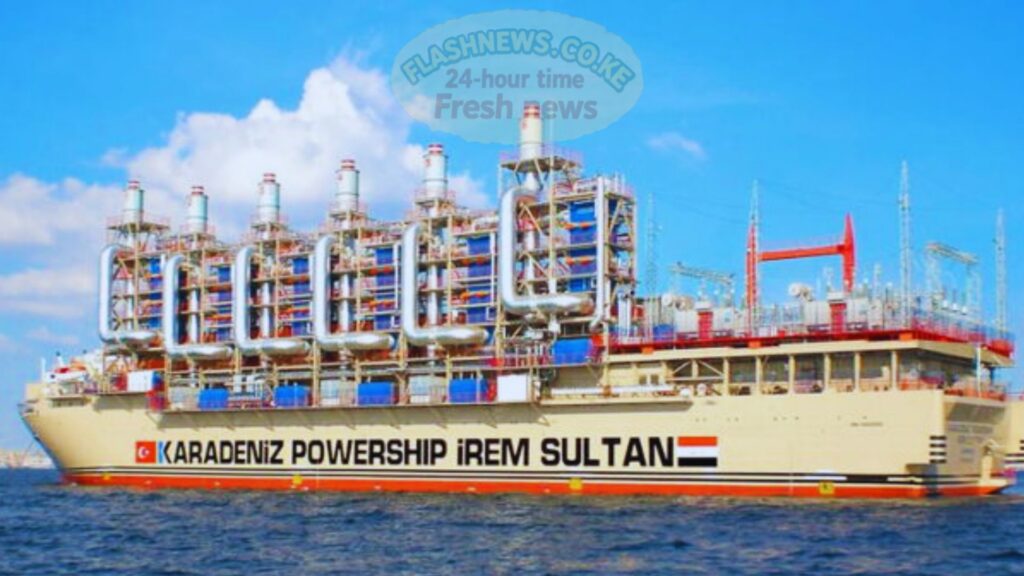
Supporters of the floating power plan argue it could provide Kenya with a fast and flexible emergency solution while geothermal, wind, and other long-term energy projects are completed.
Critics, however, have previously raised concerns in other countries over the cost of ship-based electricity deals and the risk of increasing dependence on temporary fossil-fuel-powered generation.
If the agreement proceeds, Kenya would join a growing list of nations that have turned to Karpowership during periods of severe electricity shortages and grid instability.
Also Read: Cherargei Claims UDA Is Secretly Sponsoring Candidates Inside Gachagua’s DCP