






Dairy farmers in Gatanga, Murang’a County, are urging the government to reduce taxes on animal feed, saying high production costs are eating into their earnings as Kenya explores alternative ways to address a milk shortage.
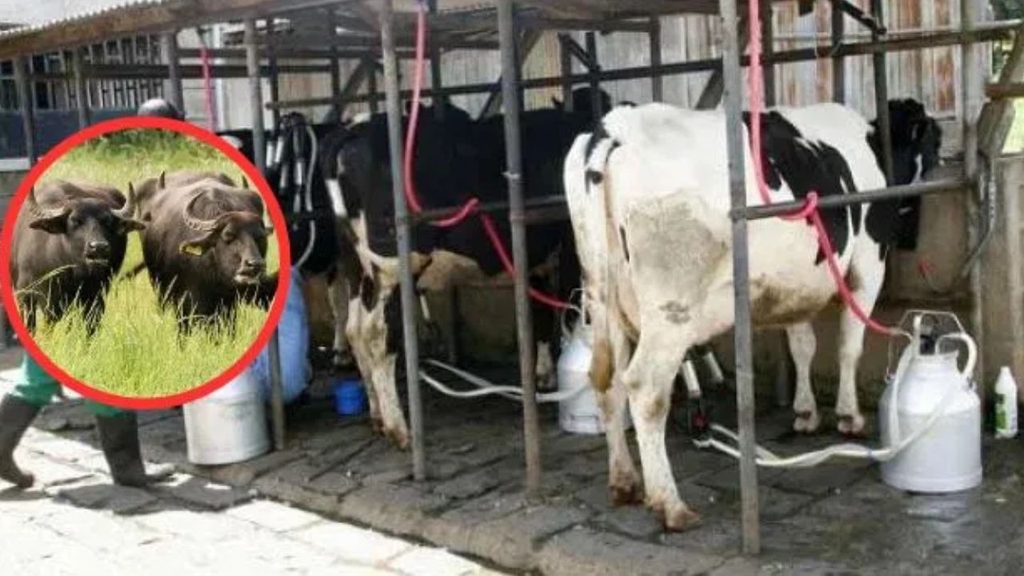
The farmers want the government to ease the cost of dairy production and amend cooperative laws to prevent milk processors from buying directly from individual farmers, arguing that the practice undermines dairy cooperatives.
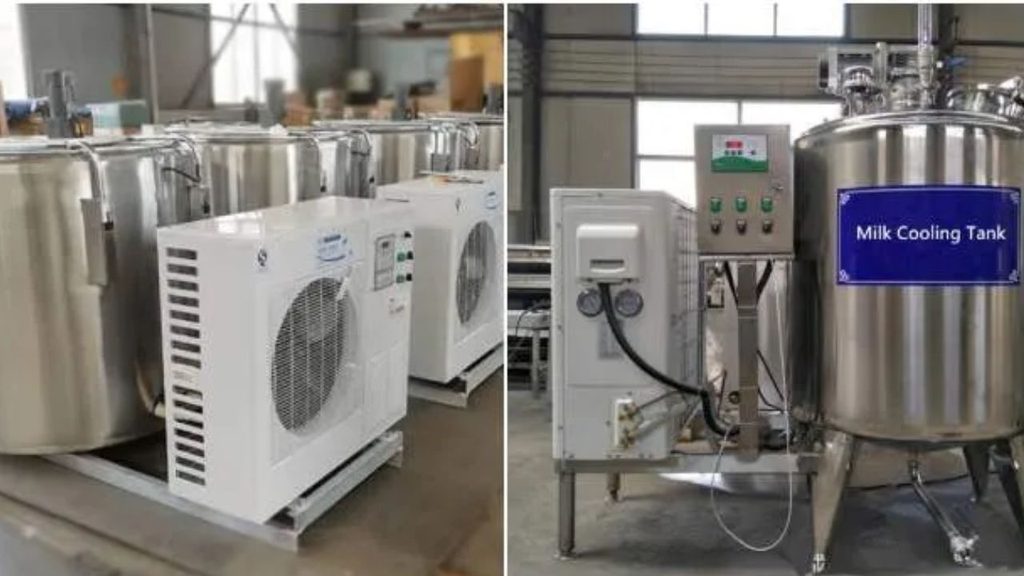
The concerns emerged during the launch of newly restored government milk coolers in Murang’a, where farmers called for measures to improve their earnings and strengthen the cooperative system.
“The challenge we have as farmers is that the cost of animal feed is very high; the business has not generated much profit,” one farmer said.
John Waweru, head of the cooperative dairy sector, called for legislation requiring processors to purchase milk through cooperatives.
“We want a law that says people should buy milk in cooperatives if they are from processors, and the cooperatives should deal with the farmers,” Waweru said.
The farmers argue that channeling milk sales through cooperatives would strengthen collective bargaining and help dairy societies maintain their role in marketing members’ produce.
Ruto Orders Plans for Improved Buffalo and Camel Breeds
The farmers’ demands come as President William Ruto’s administration explores alternative ways to increase the country’s milk supply, including introducing improved buffalo and camel breeds.
Speaking during the Agriculture and Food Security Summit at Jamhuri Park on Friday, October 9, Ruto directed Agriculture Principal Secretary Jonathan Mueke to facilitate the importation of improved camel breeds and buffaloes.
The President cited India, where buffaloes are commercially milked, as an example of how the animals could contribute to dairy production.
The proposal has sparked questions about how water buffaloes would be introduced and managed in Kenya, including their classification and regulation as potential dairy animals.
Farmers Say Production Costs Remain a Major Concern
While the government considers diversifying milk production, Gatanga farmers say the immediate challenge is the cost of keeping their existing dairy animals.
They argue that reducing taxes on animal feed could ease operating expenses and improve profitability for farmers already supplying milk to the market.
Their concerns also extend to the relationship between individual farmers, cooperatives and processors, with calls for clearer rules governing milk purchases.

The government’s proposed livestock diversification strategy is aimed at expanding potential sources of milk. However, farmers maintain that addressing feed costs and strengthening cooperatives should remain part of efforts to improve Kenya’s dairy sector.
Also Read: John Methu Questions Matiang’i and Ndindi Nyoro’s Loyalty to Opposition Ahead of 2027