






EPRA Hosts Brazilian Energy Regulators for Benchmarking Visit Amid Ongoing Fuel Sector Scrutiny
Kenya’s Energy and Petroleum Regulatory Authority (EPRA) has hosted a high-level delegation from Brazil’s energy regulator, the Brazilian Electrical Energy Regulatory Agency (ANEEL), for a benchmarking visit taking place against the backdrop of heightened scrutiny over Kenya’s fuel pricing and governance systems.
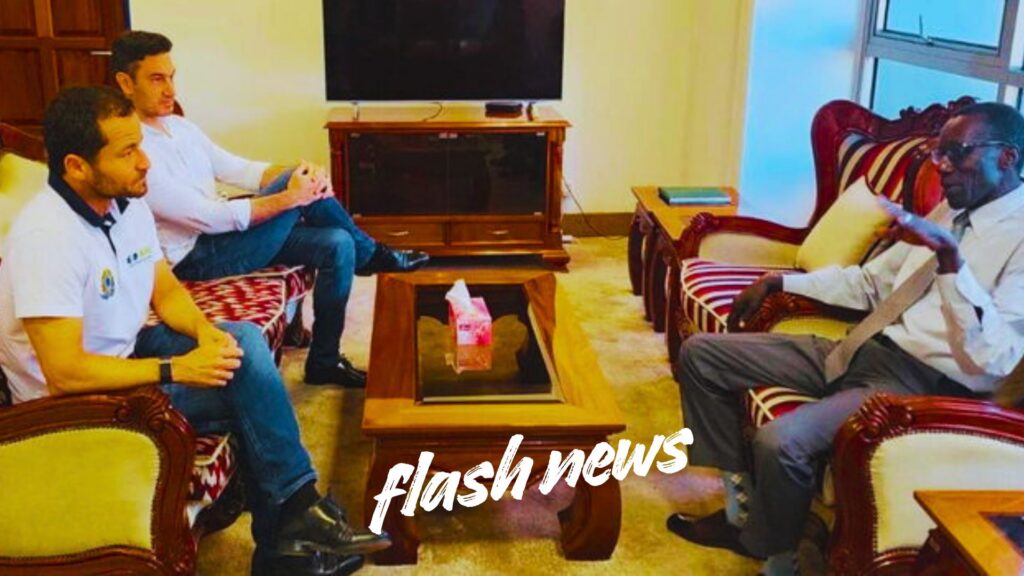
The Brazilian delegation, led by ANEEL Director Fernando Mosna and Board Advisor Christiano Rocha, is in the country on a reciprocal visit following the signing of a Memorandum of Understanding (MoU) between the two regulatory bodies in Brasília in March. The agreement, dubbed the Green Energy Partnership, is designed to deepen collaboration in regulatory development, renewable energy expansion, research, and energy data management.
The visit was formally received by EPRA’s Acting Director General, Engineer Joseph Oketch, who said the engagement would strengthen institutional cooperation and knowledge exchange between the two countries.
“This partnership provides an important platform for sharing best practices in regulation, particularly as both countries pursue ambitious clean energy transitions,” Eng. Oketch said during the meeting.
He added that Kenya remains committed to expanding access to affordable and sustainable energy, noting ongoing reforms within the electricity sector aimed at attracting investment and improving efficiency.
Officials said discussions between the two regulators are expected to focus on energy transition strategies, regulatory frameworks, and capacity building initiatives.
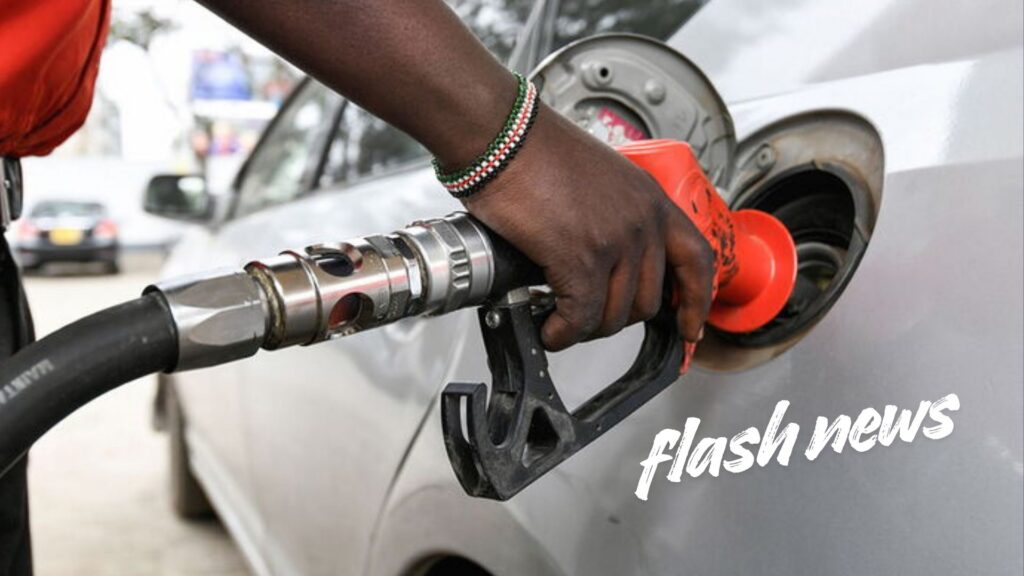
However, the visit comes at a sensitive time for Kenya’s energy sector, which has been under intense public and parliamentary scrutiny in recent months over concerns surrounding fuel pricing mechanisms and governance practices.
The sector has been rocked by allegations of manipulation of fuel stock data, which triggered claims of irregular procurement of emergency fuel estimated at approximately KSh4 billion. The consignment was reportedly acquired outside the Government-to-Government (G-2-G) oil import framework that Kenya maintains with Gulf states.
The controversy led to a wave of high-profile resignations, including former EPRA Director General Daniel Kiptoo, Kenya Pipeline Company Managing Director Joe Sang, and Petroleum Principal Secretary Mohamed Liban.
Lawmakers have since intensified calls for reforms, with ongoing debates around proposed amendments to the Petroleum Act, 2019. The proposed changes seek to introduce more frequent fuel price reviews during periods of global market volatility.
Rongo Member of Parliament Paul Abuor has been among those pushing for reforms, proposing a system that would allow EPRA to review fuel prices every 14 days during declared emergencies.
“The current monthly review framework delays the transmission of global price reductions to consumers,” Abuor argued, adding that a more responsive mechanism would better shield Kenyans from price shocks.
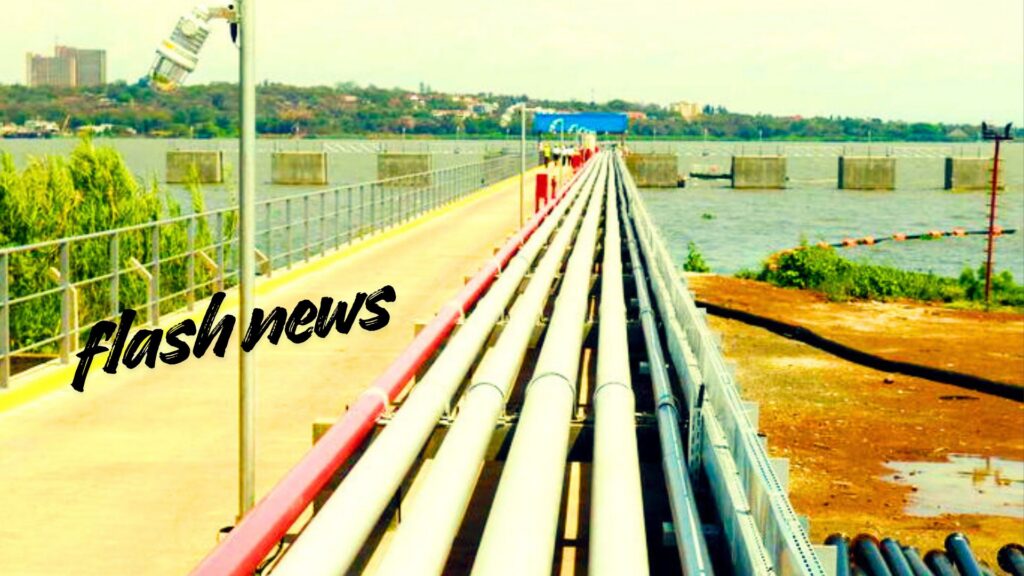
The government, meanwhile, continues to position Kenya as a regional energy hub, with a strong focus on transitioning to cleaner and more sustainable energy sources—an agenda that aligns with the objectives of the newly signed partnership with Brazil.
Also Read: Ol Kalou By-Election: UDA Faces Crucial Test as 10 Seek Party Ticket