






Kenyans could face another round of fuel price increases if the conflict in the Middle East worsens, EPRA Director-General Edward Mwirigi has warned, following one of the sharpest pump price increases recorded in 2026.
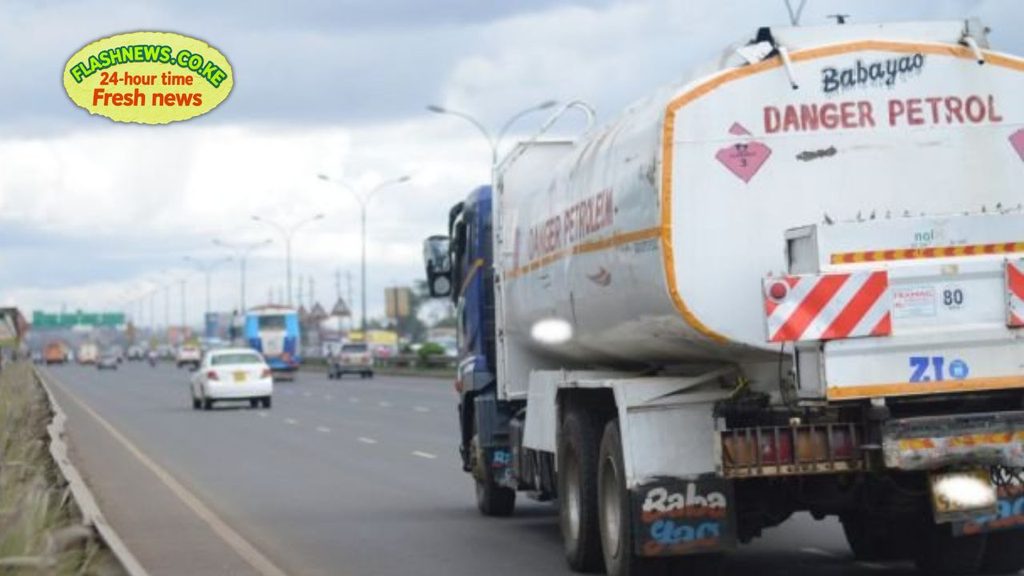
The Energy and Petroleum Regulatory Authority (EPRA) has warned that fuel prices in Kenya could rise further if escalating conflict in the Middle East continues to disrupt global petroleum supplies and push up import costs.
EPRA Director-General Edward Mwirigi issued the warning on Thursday, 15 October, while appearing before the Special Funds Accounts Committee, where he attributed the latest price increases to supply disruptions affecting petroleum shipments from the Gulf region.
Under the latest review announced on Wednesday, 14 October, motorists in Nairobi will pay KSh226.96 per litre of petrol, KSh227.76 for diesel and KSh219.87 for kerosene.
The increases have added pressure on households, motorists and businesses that depend on fuel for transport and daily operations.
Attacks on vessels push up import costs
Mwirigi told lawmakers that attacks on fuel infrastructure and vessels had disrupted established supply routes, forcing importers to seek alternative sources of petroleum products.

He cited Singapore as one of the alternative markets, explaining that products sourced there were reportedly more expensive, contributing to higher overall import costs and pump prices in Kenya.
The EPRA chief cautioned that consumers could face further increases in the coming months if the conflict deteriorated and supply disruptions continued.
During the committee session, MPs questioned the regulator over the latest price increases, particularly in light of President William Ruto’s assurances in May 2026 that pump prices would remain stabilised.
Lawmakers also sought clarification on whether the public had been adequately informed about the supply disruptions, including reports that two fuel vessels had been bombed.
Mwirigi told the committee that Saudi vessels had been targeted and maintained that Kenya’s fuel prices remained competitive compared with those in neighbouring countries.
September described as worst month for fuel prices
A day before appearing before the committee, Mwirigi described September as the worst month for petroleum prices since the conflict began, citing a sharp increase in international fuel costs.
“September has been the worst month ever since this war broke out. Super petrol has reached USD 1,300 per metric tonne from the initial USD 600 per metric tonne,” Mwirigi told journalists on Wednesday, 14 October.
The reported increase in international petroleum costs has intensified pressure on Kenya’s fuel import bill, with the effects being passed on to consumers through the latest EPRA review.
Because Kenya relies heavily on imported petroleum products, disruptions to international supply routes and higher acquisition costs can feed into domestic pump prices.
Parliament moves to maintain reduced fuel VAT
Amid the rising costs, the National Assembly has passed the Tax Laws (Amendment) Bill, 2026, seeking to retain the reduced 8 per cent Value Added Tax (VAT) rate on petrol, diesel and kerosene for a further three months.
The Bill, sponsored by National Assembly Majority Leader Kimani Ichung’wah, seeks to prevent the rate from reverting to the standard 16 per cent.
Maintaining the lower rate could help limit the tax component of fuel costs, although it would not eliminate increases caused by higher international petroleum prices, shipping expenses or other import-related charges.
The measure’s final implementation will depend on the remaining legislative and legal requirements.
Matatu fares could rise after fuel price review
The latest fuel increases are also raising concerns about the cost of public transport.

Matatu operators have signalled the possibility of increasing fares by up to 10 per cent, citing the higher cost of fuel and its impact on operating expenses.
If implemented, fare increases could place additional pressure on commuters already facing higher household and transport costs.
For now, the outlook for fuel prices will depend largely on developments in the Middle East, international petroleum prices and the cost of bringing supplies into Kenya.
Mwirigi’s warning suggests that motorists and businesses should prepare for continued uncertainty, with further price increases possible if the disruptions persist.
Also Read: ORPP Begins Formal Process to Rename Sifuna-Linked Party Linda Mwananchi Movement