






Raila Odinga’s political influence went far beyond his unsuccessful bids for State House, according to Nairobi KANU gubernatorial aspirant Tony Gachoka, who says the late opposition leader understood that real power could also be built through Parliament, governors and a strong political party.
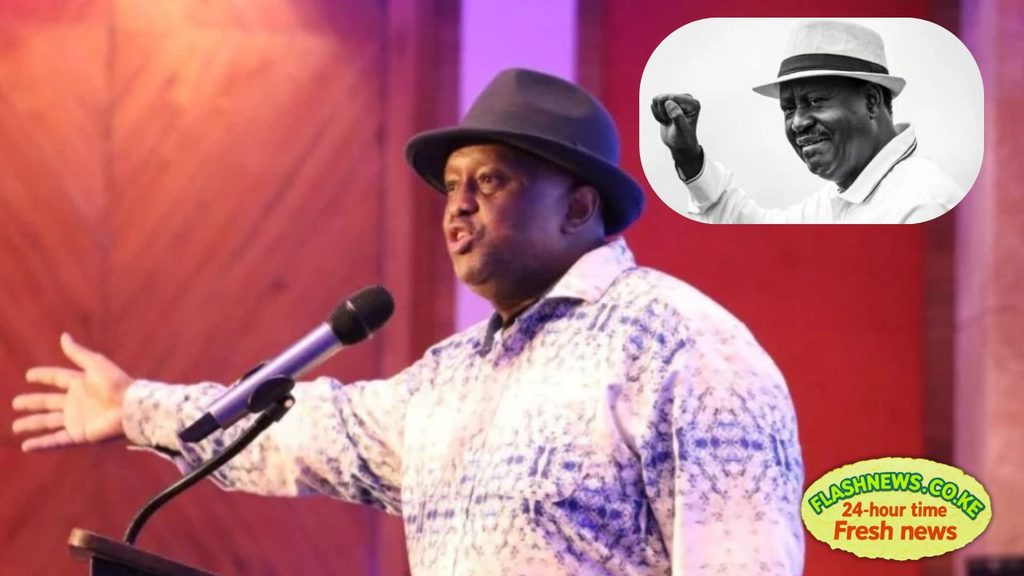
Speaking during an interview with a local radio station on Thursday, October 15, 2026, Gachoka argued that Raila’s political strategy was never limited to winning the presidency. Instead, he said, the former prime minister sought to establish a broad political network capable of influencing national decisions, even when he was outside government.
Gachoka maintained that Raila’s ability to command support among MPs, senators and governors helped keep the Orange Democratic Movement (ODM) politically relevant despite repeated presidential election defeats.
“Baba never lost, because Baba always fought a war in which he conquered territory. So, if he did not have the presidency, he took the chairmanship of the governors. He took the head of Parliament. He took the head of senators,” Gachoka said.
How Raila built ODM beyond presidential elections
According to Gachoka, Raila understood that winning State House was only one part of a broader political contest.
He recalled Raila emphasising the importance of securing parliamentary majorities and winning control of county governments to strengthen a party’s influence over national affairs.
“Akaniambia, ‘Unajua Tony, lazima we have the majority of MPs. We must have the majority of governors. We must have the majority of senators,’” Gachoka recounted.
Gachoka argued that a president could occupy State House but still face political challenges if rival parties commanded substantial support in Parliament and across county governments.
He credited this approach with helping ODM maintain a significant presence in Kenyan politics following its launch in 2007, even as Raila repeatedly failed to secure the presidency.
“At no point since he launched ODM in 2007 has Baba been second to anyone. So the presidency is a small prize,” he said.
The remarks offer Gachoka’s interpretation of Raila’s political legacy, portraying the veteran politician as a leader who measured influence through several centres of power rather than presidential victory alone.
Why governors and MPs mattered to Raila
Gachoka also linked Raila’s strategy to Kenya’s devolved system of government, under which counties receive a constitutionally guaranteed share of nationally raised revenue and exercise authority over designated local functions.
He argued that political influence at county level was essential for leaders seeking to advance development priorities and maintain contact with voters.
“Half of the resources are now in devolution. So if you don’t control the counties, how are you uplifting your people?” Gachoka recalled Raila asking him.
His argument was that governors, senators, MPs and county assemblies could collectively strengthen a political movement’s influence over public policy, resource allocation and development programmes.
Gachoka further described Raila as a patient and strategic politician who listened to different opinions before making major decisions.
In his assessment, this long-term approach helped Raila remain a central figure in national politics beyond the outcome of individual elections.
Gachoka’s warning to Edwin Sifuna
Gachoka also drew lessons from Raila’s political career for Nairobi Senator Edwin Sifuna and leaders associated with the Linda Mwananchi faction.
He argued that public popularity alone would not be sufficient for a politician seeking the presidency without a strong political party and elected representatives across the country.
Gachoka said he had discussed the issue with Sifuna during a visit to his office, advising him to focus on building a political organisation with MPs, senators and governors.
“If Sifuna’s party does not have senators, does not have governors or MPs, he would not be an effective president,” Gachoka said.
He also criticised Embakasi East MP Babu Owino’s reported position on fielding his own candidates for parliamentary seats, arguing that competing political ambitions could undermine efforts to establish a united political movement.
The comments come amid political manoeuvring within ODM and the emergence of Linda Mwananchi as a platform associated with leaders seeking a stronger political direction.
Raila’s political legacy beyond State House
Gachoka’s central argument is that Raila’s influence should not be measured solely by how many times he contested the presidency or whether he ultimately occupied State House.
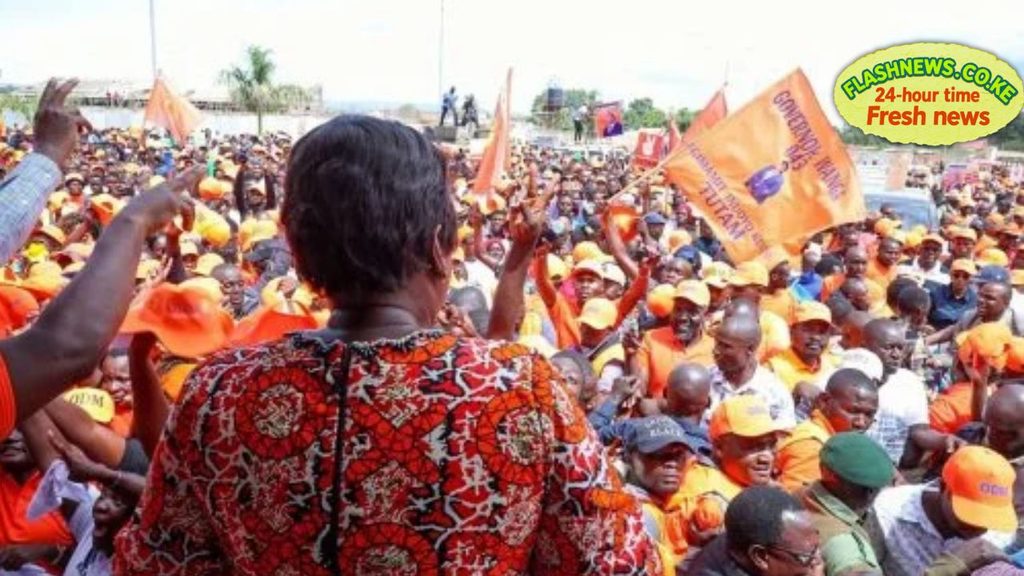
Instead, he believes the late politician’s ability to build a party, attract elected leaders and shape political alliances gave him influence beyond the presidency.
His remarks also raise a broader question for Kenya’s opposition politics: can a political movement maintain national influence without winning the presidency, and how much does its strength depend on elected representatives at county and parliamentary level?
For Gachoka, Raila’s career provides a clear lesson that building a durable political organisation requires more than personal popularity or a presidential campaign. It also requires a network of leaders capable of translating political support into representation and influence across government.
Also Read: Gachagua Explains Why He Skipped Raila’s Anniversary Despite Ida Odinga’s Invitation