

Explained: Why Most Cars Have Fuel Tank Doors on the Passenger Side





Have you ever driven into a petrol station only to discover your fuel cap is on the wrong side of the pump? It is a common frustration for motorists, but one that stems from a deliberate automotive design choice rather than chance.
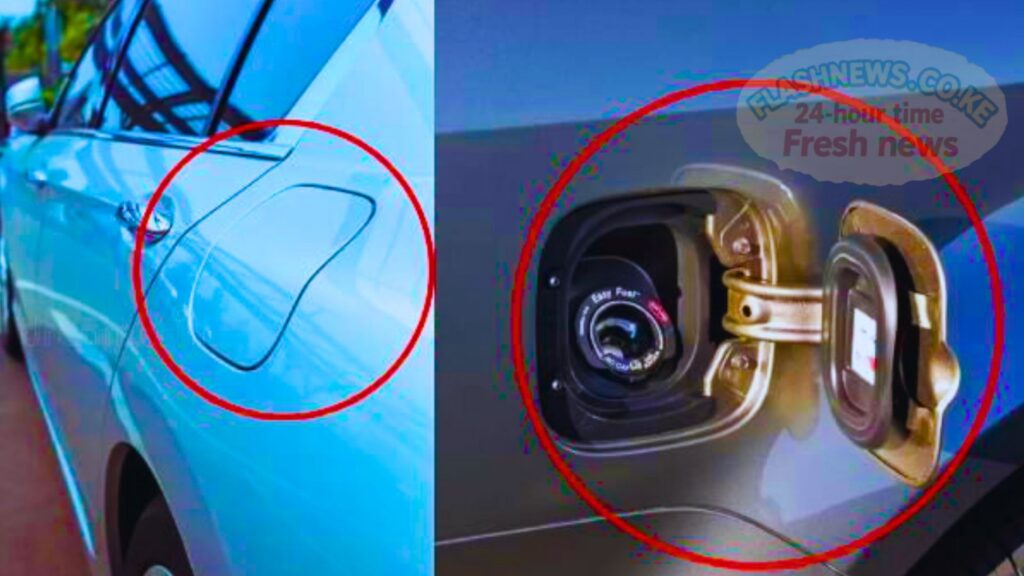
For decades, many vehicle manufacturers have positioned fuel tank doors on the passenger side of their cars. While drivers rarely give it much thought, the decision is rooted in a combination of safety considerations, engineering practicality, and long-established industry practices.
Safety First
One of the primary reasons behind passenger-side fuel doors is safety.
In countries where vehicles drive on the right-hand side of the road, the passenger side is typically closest to the curb. This means motorists refuelling their vehicles are positioned further away from moving traffic, reducing the risk of accidents.
The advantage becomes even more apparent during roadside emergencies. If a driver is forced to refuel from a jerrycan on a busy road or highway, standing on the curb side rather than the traffic-facing side can significantly lower exposure to passing vehicles, particularly at night or in poor visibility conditions.
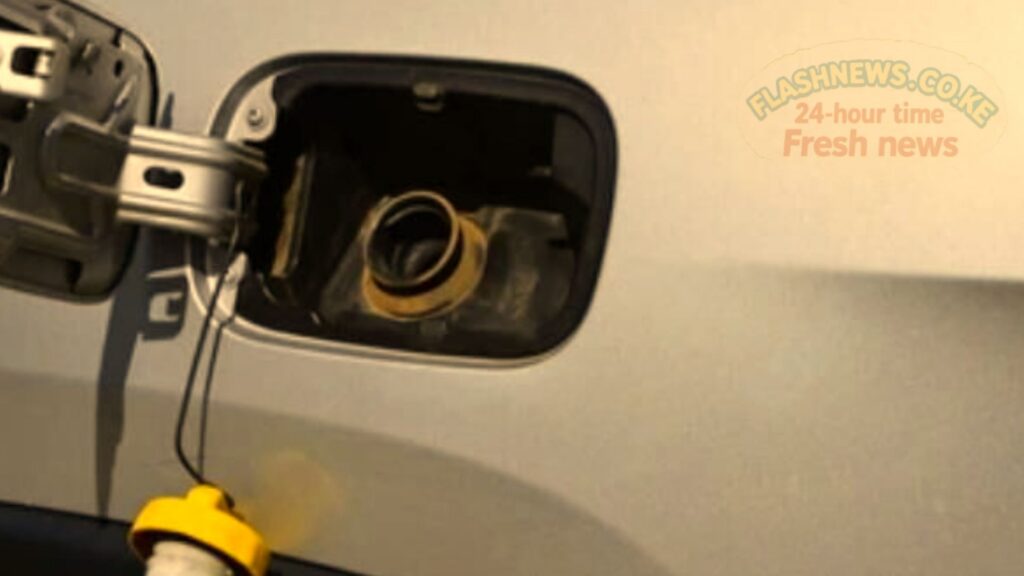
Automotive safety experts have long viewed this arrangement as a practical way of minimising risks during refuelling.
Easier Refuelling Near the Curb
Passenger-side placement also offers convenience.
When vehicles are parked along a street or beside a pavement, the fuel filler is often easier to access without requiring drivers to step into traffic. This can make both routine refuelling and emergency fuel transfers safer and more straightforward.
While it may seem like a small detail, manufacturers frequently consider how vehicles will be used in everyday situations, including roadside stops.
Helping Traffic Flow at Petrol Stations
Another factor is efficiency at fuel stations.
Industry observers note that having a common fuel-door location can make vehicle movement around petrol stations more predictable. Standardised placement reduces confusion, limits awkward manoeuvring between pumps, and helps maintain smoother traffic flow during busy periods.
Although modern filling stations are designed to accommodate vehicles with fuel caps on either side, consistency can still improve overall convenience for drivers.
Engineering and Manufacturing Considerations
Vehicle architecture also plays a major role.
The fuel tank must fit within a crowded area underneath the vehicle, sharing space with exhaust systems, suspension components, structural reinforcements, and other mechanical parts.
In many models, routing the fuel filler neck to the passenger side is simply more efficient and cost-effective. Engineers often find that this arrangement avoids conflicts with key components, simplifying both design and assembly during manufacturing.
As a result, passenger-side placement can help reduce production complexity while maintaining vehicle safety standards.
A Tradition That Became Common Practice
The widespread use of passenger-side fuel doors was further reinforced by industry habits.
Several major automakers adopted the design decades ago, and as those vehicles became successful in global markets, other manufacturers followed similar layouts to maintain consistency across their product ranges.
Over time, what began as a practical engineering choice evolved into a common industry convention.
Why Some Cars Have Fuel Doors on the Driver’s Side
Despite the trend, there is no global regulation requiring fuel doors to be located on the passenger side.

Manufacturers such as BMW, Mercedes-Benz, and some Ford models place the fuel filler on the driver’s side, often due to specific vehicle architecture, platform design requirements, or regional market preferences.
Even brands known for passenger-side fuel doors, including Toyota and Honda, vary the placement depending on the model and intended market.
Ultimately, the location of a vehicle’s fuel door is determined by a balance of safety, engineering constraints, manufacturing efficiency, and design philosophy rather than a universal rule.
So the next time you find yourself pulling up to the wrong side of a petrol pump, remember: that seemingly minor detail is the result of decades of automotive design decisions happening behind the scenes.
Also Read: Mbadi Announces KSh1.5 Billion for KNEC Examiners Ahead of July