

Forestry Society Boss Explains Why Kenya Harvests Mature Trees


The President of the Forest Society of Kenya (FSK), Charity Munyasya, has defended the harvesting of mature trees in government forests, saying the practice is necessary to prevent timber from losing its commercial value through natural deterioration.
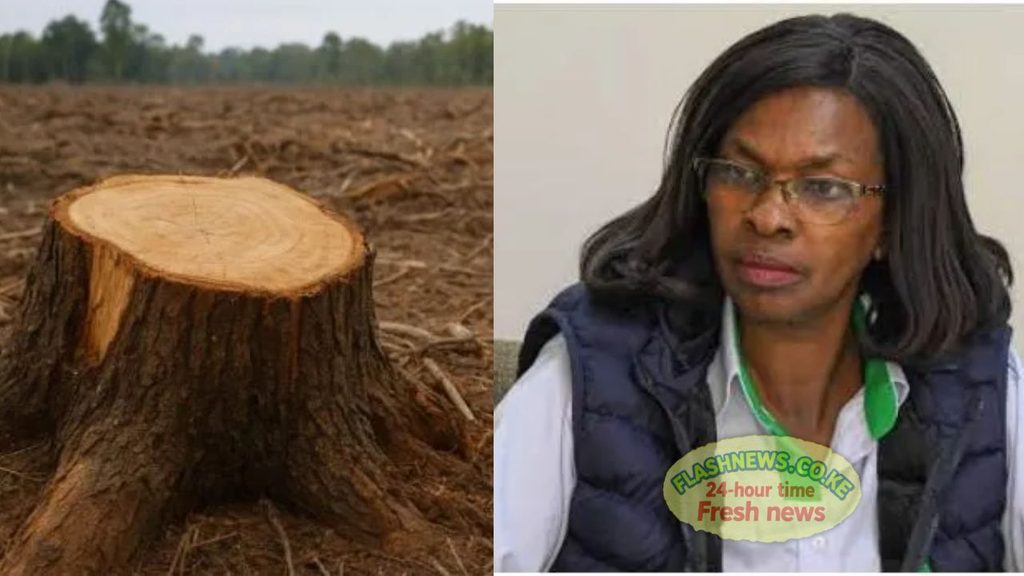
Speaking during an interview with KBC on Tuesday, November 3, 2026, Munyasya explained that certain exotic tree species have specific harvesting cycles and can develop internal decay if left standing for too long.
She said mature trees, particularly those grown in commercial plantations, must be harvested within their recommended maturity periods to ensure that the resources invested in planting and maintaining them are not wasted.
Her remarks come amid growing public concern over reports of logging activities in several gazetted forests, including Aberdare, Ngong Hills and Imenti.
The issue has attracted widespread attention following the circulation of videos and photographs showing trucks transporting timber and sections of cleared forestland.
Why Mature Trees Need to Be Harvested
According to Munyasya, some exotic tree species develop a condition known as heart rot when they remain standing beyond their recommended harvesting periods.
Heart rot is a form of internal decay that affects the central part of a tree, potentially reducing the quality and commercial value of its timber.
She explained that commercially planted trees generally have harvesting cycles ranging between 25 and 40 years, depending on the species and growing conditions.
If harvesting is delayed beyond the appropriate period, the timber may deteriorate, resulting in financial losses for plantation owners and other stakeholders.
Munyasya maintained that harvesting is a planned forestry management activity rather than indiscriminate destruction of trees.
She argued that public discussions should distinguish between properly managed commercial plantations and the destruction of natural forests.
FSK Explains Which Trees Are Harvested in Kenya
Munyasya clarified that the harvesting programme primarily concerns exotic tree species planted for commercial purposes.
These include:
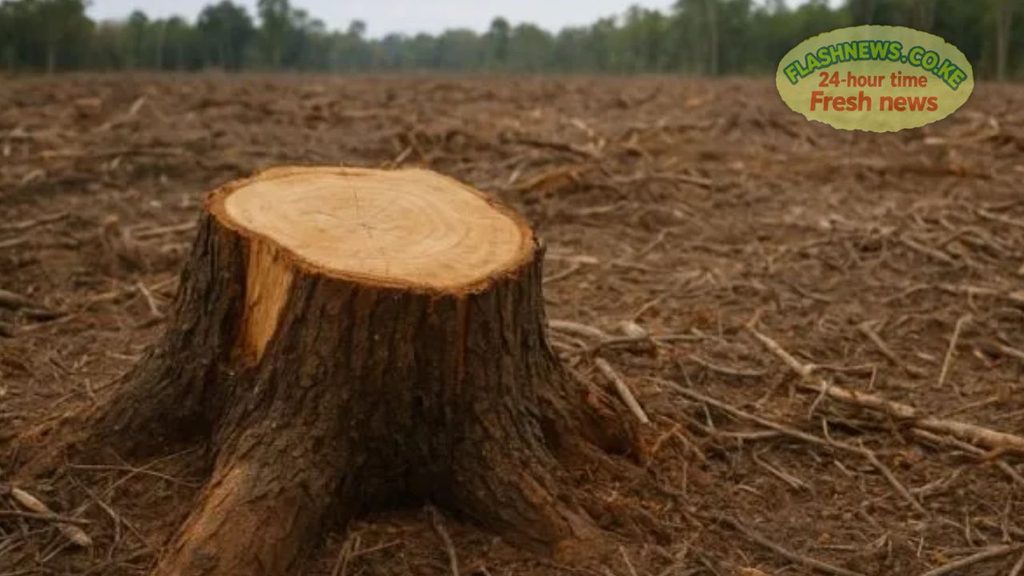
- Eucalyptus: Widely cultivated for timber, poles and other commercial uses.
- Cypress: Commonly grown for timber and construction materials.
- Pine: Used in timber production, furniture manufacturing and other wood-based industries.
She explained that these species are planted in designated plantation areas to provide commercial timber while supporting forestry activities.
According to her explanation, the harvesting process should not be confused with cutting down indigenous trees in protected natural forests.
Why Logging in Aberdare, Ngong and Imenti Sparked Public Anger
The clarification follows weeks of public debate over reported tree harvesting activities in several Kenyan forests.
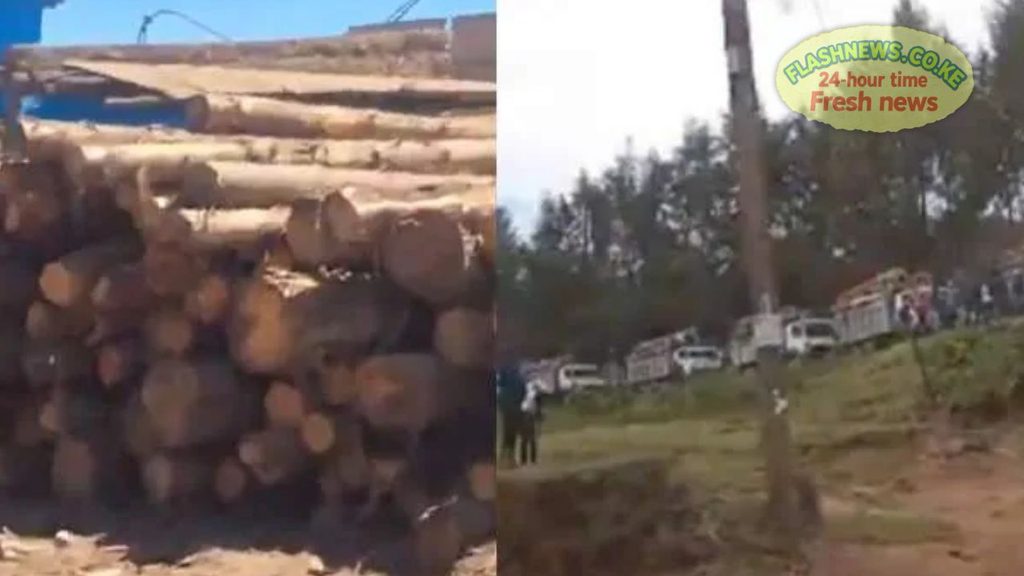
Aberdare, Ngong Hills and Imenti have featured prominently in discussions after images and videos showing timber-loaded trucks and cleared sections of land circulated on social media.
The footage triggered concerns among environmental advocates and members of the public over the possible destruction of protected forest ecosystems.
Questions were also raised about the legality of the operations, the supervision of harvesting activities and the potential environmental consequences.
Munyasya’s remarks sought to explain the forestry industry’s position on commercial harvesting, although the broader public concerns also touch on transparency, enforcement and environmental protection.
94 Per Cent of Government Forests Are Indigenous
During the interview, Munyasya stated that approximately 94 per cent of gazetted government forests consist of indigenous forests, while about six per cent is allocated to plantation forestry.
She emphasised that indigenous forests are protected and should not be treated as commercial timber plantations.
According to her, individuals found illegally cutting indigenous trees are committing offences and should face enforcement action.
She also pointed to the role of forest rangers in preventing illegal logging and protecting natural forest resources.
Her position was that commercial harvesting should remain limited to authorised plantation areas and must not become a justification for destroying indigenous forests.
Difference Between Tree Cover and Forest Cover in Kenya
Munyasya also addressed confusion surrounding two important environmental measurements: tree cover and forest cover.
Although the terms are sometimes used interchangeably, they measure different aspects of the country’s vegetation.
Tree cover refers to the proportion of land covered by trees, including trees outside formally designated forests and those growing in plantations, farms and other areas.
Forest cover, on the other hand, measures land classified as forest under the applicable definitions and criteria.
The distinction is important when evaluating Kenya’s progress towards national environmental conservation targets.
Kenya’s Tree Cover Reaches 12.13 Per Cent
Munyasya cited figures indicating that Kenya’s tree cover stood at 12.13 per cent in 2021, surpassing the constitutional requirement of at least 10 per cent.
However, she noted that forest cover remained lower, standing at 8.83 per cent during the same period.
The figures highlight the difference between increasing the number of trees across the country and expanding or protecting formally classified forest areas.
While progress in tree planting has contributed to improved tree cover, the country continues to face challenges involving forest conservation, land degradation and the protection of indigenous ecosystems.
Balancing Commercial Tree Harvesting and Forest Conservation

The debate surrounding tree harvesting has highlighted the challenge of balancing commercial forestry with environmental protection.
Commercial plantations can provide timber, support employment and reduce pressure on natural forests when properly managed.
However, harvesting operations must comply with applicable regulations, approved management plans and environmental safeguards.
For communities living near forests, transparency over the location, scale and authorisation of logging activities remains important in building public confidence.
As discussions continue, the distinction between sustainable plantation harvesting and illegal destruction of indigenous forests will remain central to Kenya’s forestry conservation debate.
Also Read: TSC Shortlists 5 Candidates for CEO Job, Mitei Included