






Govt to Securitise Housing Levy as It Seeks Ksh100 Billion Loan for Affordable Housing Programme

Kenyan workers could find themselves contributing to the Housing Levy for years to come after the government unveiled plans to use future levy collections as security for a proposed Ksh100 billion financing arrangement aimed at plugging a funding gap in the Affordable Housing Programme.
Budget documents tabled before Parliament reveal that the State Department for Housing intends to securitise future Housing Levy revenues to unlock funding from development partners and financiers.
The move has sparked fresh debate over the long-term future of the controversial levy, with critics warning that it could effectively entrench the deductions beyond the tenure of the current administration.
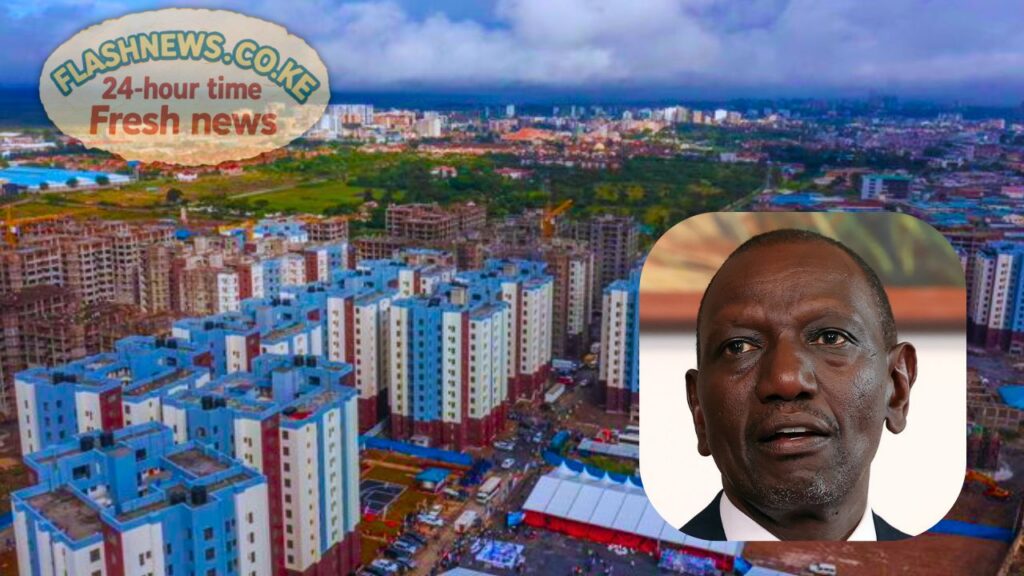
According to the Budget and Appropriations Committee report on the 2026/27 Budget Estimates, the Affordable Housing Programme requires Ksh228.3 billion to achieve its planned targets but is currently facing a funding shortfall of Ksh118.3 billion.
To bridge the gap, the government plans to raise Ksh150 billion through a combination of financing measures. Of that amount, Ksh100 billion is expected to come from the securitisation of Housing Levy collections, while Ksh50 billion is projected to be generated through the sale of completed housing units.
Under the arrangement, future levy collections would be pledged as collateral to guarantee repayment of the proposed borrowing.
Securitisation is a financial mechanism in which predictable future revenue streams are used to secure loans or raise capital. In this case, deductions made from workers’ salaries under the Housing Levy would serve as the revenue stream backing the debt.
The proposal has raised concerns among some stakeholders who argue that tying future levy collections to loan repayments could make it difficult for any future government to abolish the levy without risking contractual or financial consequences.
The United Opposition has repeatedly pledged to scrap the Housing Levy if it assumes power after the administration of President William Ruto. However, analysts note that the securitisation plan could complicate such efforts if lenders rely on the levy as security for repayment.
Any attempt to discontinue the deductions before the debt is fully settled could potentially expose the government to penalties, legal disputes, or challenges in meeting its obligations to financiers.
Responding to concerns surrounding the proposal, the State Department for Housing defended the strategy, insisting that the Housing Levy has always been intended as the primary financing pillar for the Affordable Housing Programme.
“The Affordable Housing Programme was never expected to rely solely on a single source of financing,” the department said in its submissions to Parliament.
Officials further argued that a project of such magnitude requires diversified funding sources and additional capital mobilisation measures to ensure its successful implementation.
According to the department, large-scale housing projects across the world typically combine multiple financing instruments, including borrowing, public-private partnerships, and revenue-backed financing arrangements.
Since 2024, employees across Kenya have been contributing 1.5 per cent of their gross monthly salaries to the Housing Levy, with employers required to match the contribution. The deductions have generated billions of shillings for the government’s flagship housing programme but remain one of the most contentious components of the current administration’s economic agenda.
The latest proposal is expected to fuel renewed political debate over whether the levy is a temporary housing fund or a long-term financial commitment that could extend well into the future.
Also Read: Treasury Introduces New Tax Filing Calendar, Nil Filers to Submit Returns After December