






Kenya has condemned a series of Houthi missile and drone attacks on Saudi Arabia that have reportedly killed 19 people and injured 364 others, raising concerns over regional security and potential disruptions to fuel supplies.
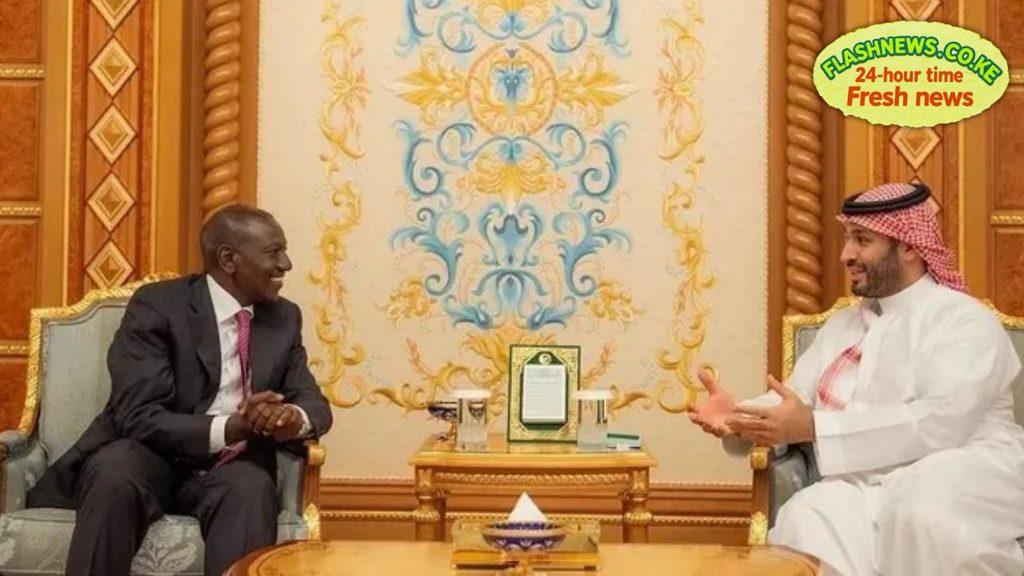
Prime Cabinet Secretary and Cabinet Secretary for Foreign and Diaspora Affairs Musalia Mudavadi expressed Kenya’s solidarity with Saudi Arabia during a telephone conversation with the kingdom’s Vice Minister of Foreign Affairs, Waleed Elkhereiji, on Thursday, October 15.
According to a statement published by the Saudi Press Agency (SPA), Mudavadi conveyed Kenya’s condolences to the families of those killed and to the Saudi government and people, while wishing those injured a speedy recovery.
The diplomatic engagement comes amid reports of intensified Houthi missile and drone attacks targeting civilian facilities and critical infrastructure across Saudi Arabia.
Saudi Airports Face Disruptions
Figures attributed to the Saudi-led coalition indicate that the attacks have left 19 people dead and 364 injured across five Saudi airports.

Riyadh’s King Khalid International Airport has reportedly been targeted repeatedly, with reports indicating that it was struck 20 times during the month. The attacks have disrupted aviation operations, with flights affected at airports in Riyadh, Jeddah and Dammam.
Some reported strikes have forced airport operations to be suspended, disrupting travel and raising concerns about the safety of civilian aviation infrastructure.
The escalation has also heightened concerns about the security of critical facilities and Saudi Arabia’s attractiveness as an investment destination.
Saudi Aramco Reportedly Targeted
The attacks have also reportedly hit facilities linked to Saudi Aramco, the kingdom’s state-owned oil giant, causing physical damage and adding to concerns over the security of energy infrastructure.
Any prolonged disruption to Saudi Arabia’s oil production, processing or transport networks could have wider implications for international energy markets, depending on the scale and duration of the damage.
The situation has drawn attention to the vulnerability of energy supplies amid growing instability in the Middle East.
Kenya Watches Fuel Supply Risks
The developments are particularly significant for Kenya, which imports fuel from Saudi Arabia under the Government-to-Government (G-to-G) fuel supply arrangement.

Disruptions to Saudi infrastructure or regional shipping routes could create uncertainty over deliveries, transport costs and international oil prices. However, the extent of any direct impact on Kenya’s fuel supply will depend on the duration of the attacks and whether they affect export operations or shipping.
Kenya’s latest diplomatic statement underscores Nairobi’s concern over the security situation and the need to protect civilians and critical infrastructure.
Mudavadi’s message of solidarity adds Kenya’s voice to international concerns over the escalating attacks, as governments and energy markets monitor developments across the region.
Also Read: Alai Claims Winnie Odinga’s Senate Bid Is Sifuna’s Strategy to Counter Babu Owino