






The reported withdrawal of security officers attached to Trans Nzoia Governor George Natembeya and Siaya Governor James Orengo has raised fresh questions about police accountability, political dissent and the impartiality of Kenya’s security agencies ahead of the 2027 General Election.
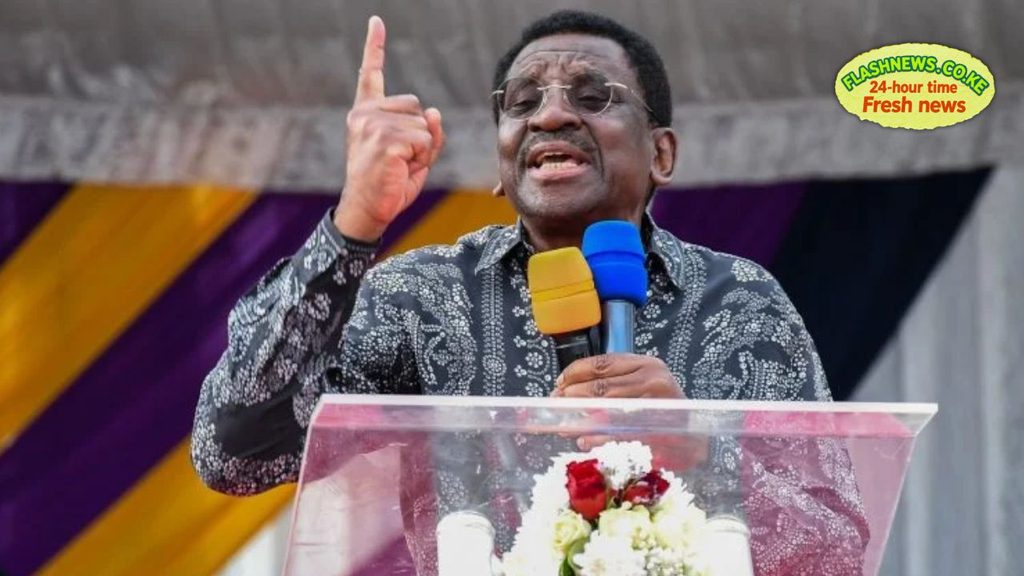
The two governors reported the withdrawals on Thursday, October 15, 2026, with Natembeya saying his security detail had been recalled for the second time, while Orengo described his experience as a recurring incident.
The developments have attracted attention because both leaders have publicly criticised aspects of President William Ruto’s administration.
Natembeya said the officers attached to him were withdrawn at approximately 11pm on Wednesday, hours after the President concluded a tour of Trans Nzoia County.
The governor questioned why the decision had been made without prior communication and called on Inspector-General of Police Douglas Kanja to explain the circumstances.
“I therefore call upon the Inspector-General of the National Police Service to provide a formal explanation of the reasons for this decision and to clarify whether the applicable security procedures have been followed,” Natembeya said.
He also questioned the manner in which the withdrawal was handled, although he played down its personal impact.
“They didn’t have the courtesy to tell me,” Natembeya said.
“For me, really, it’s not a big deal. I know I’m entitled to security, but not every Kenyan has security attached to them. The way Kenyans have survived is the same way I will survive,” he added.
His remarks have placed the focus on whether the authorities followed transparent and lawful procedures when changing a public official’s security arrangements.
Orengo Says He Remains Unbowed
In Siaya, Orengo reported that his security detail had once again been withdrawn shortly after he attended the first anniversary commemoration of former Prime Minister Raila Odinga in Bondo.
The governor, an outspoken critic of the administration and a figure associated with the Linda Mwananchi faction within ODM, signalled that the development would not change his political position.
“Today, the government withdrew my security for the nth time. I remain unbowed,” Orengo said.
While Natembeya issued a detailed statement demanding an explanation from the police leadership, Orengo’s response emphasised his determination to continue speaking out.
However, the available information does not establish that the two withdrawals were ordered for the same reasons or under identical circumstances.
Clarification from the relevant authorities would help establish the basis for each decision.
Murkomen Defends Security Withdrawal
Interior Cabinet Secretary Kipchumba Murkomen defended the withdrawal of Natembeya’s security, accusing the governor of associating with individuals he described as goons and alleging plans for violence.
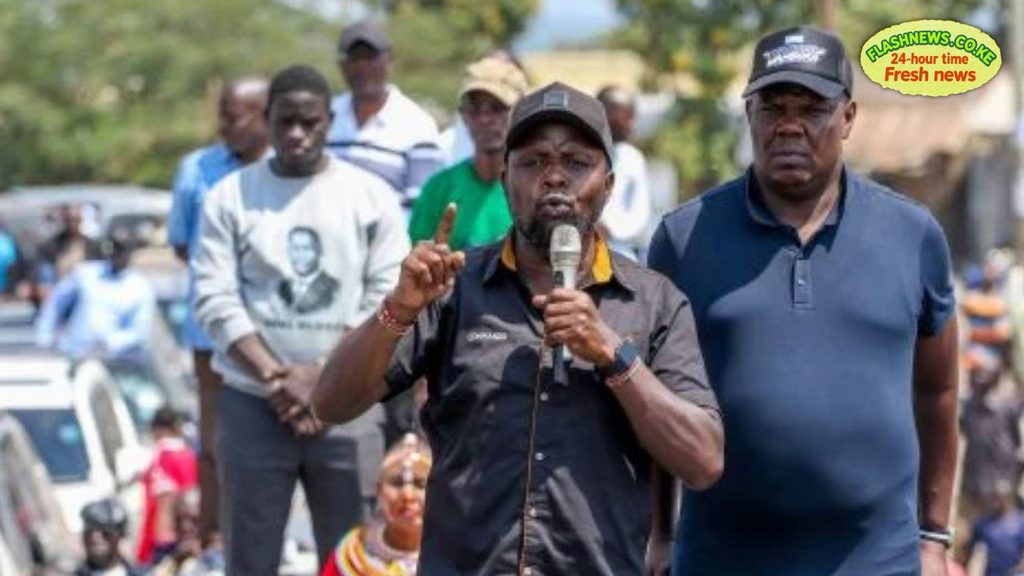
“Political goonism must be finished. Some politicians are enjoying the security provided by the government. They have police officers but still plan violence,” Murkomen said.
“We will not allow any politician to use government offices and government security to plan violence,” he added.
Murkomen’s remarks framed the matter as a question of preventing political violence and ensuring that publicly funded security is not misused.
However, the allegations should be distinguished from established findings. The circumstances surrounding the withdrawal, including any supporting evidence and the procedures followed, remain important to understanding the dispute.
The government has a responsibility to assess threats and allocate security resources appropriately. It must also ensure that such decisions are professionally grounded and applied consistently, irrespective of political affiliation.
Constitutional Questions Put Police Leadership Under Scrutiny
Natembeya cited Article 47 of the Constitution, which guarantees fair administrative action, alongside Articles 238 and 244, which set out principles governing national security and the National Police Service.
He also referred to a 2025 High Court ruling concerning the withdrawal of security assigned to five governors.
That ruling provides legal context for his demand for an explanation, although its precise application to the latest incidents depends on the circumstances and the terms of the court’s decision.
The central question is not whether security arrangements can ever be reviewed. Rather, it is whether any changes are lawful, informed by appropriate security assessments and supported by a clear and defensible process.
The Inspector-General of Police now faces questions about whether the circumstances can be explained in a way that reassures the public about the impartiality of security institutions.
Could the Withdrawals Deepen Political Tensions?
The controversy extends beyond the two governors because of how security decisions involving outspoken political figures may be perceived.
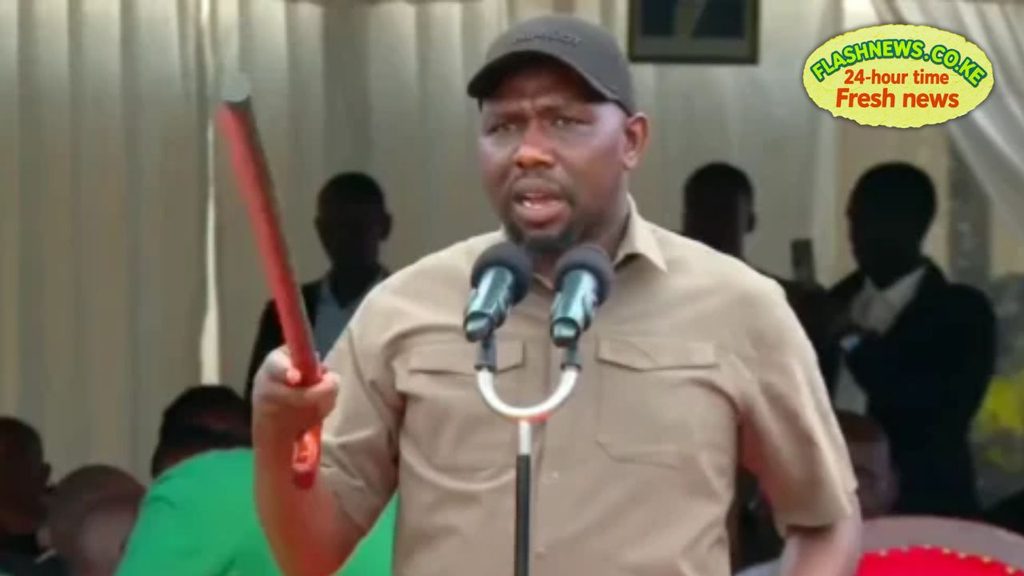
When officials who have criticised the government report losing their security, supporters may interpret the decisions as intimidation, particularly when explanations are absent or disputed. Such perceptions can deepen mistrust even before any political motive has been established.
For the government, the challenge is to demonstrate that security decisions are based on professional assessments rather than disagreements with political opponents. For critics, allegations of political interference must also be assessed against evidence rather than timing alone.
With the 2027 General Election approaching, public confidence in security institutions will be important to maintaining trust in the political process.
Elected leaders must be able to criticise government policies without unlawful retaliation, while security agencies must retain the ability to respond to credible threats and allocate resources responsibly.
The withdrawals involving Natembeya and Orengo have therefore raised a wider question: can Kenya’s security agencies demonstrate that public officials are treated impartially, regardless of their political positions?
A clear explanation from the relevant authorities would help address the concerns. Until the circumstances are clarified, the controversy is likely to remain part of the wider debate over constitutional accountability, political dissent and the independence of Kenya’s security institutions.
Also Read: Sifuna’s Bondo Reception Raises Questions About ODM’s Grip on Nyanza Ahead of 2027