






Kenya has confirmed four additional cases of Bundibugyo Ebola virus disease, bringing the country’s total number of confirmed cases to seven, including one death. The Ministry of Health announced the latest infections on Saturday, 17 October 2026, saying the new patients included three healthcare workers who treated the country’s first Ebola patient and a close male relative of the deceased.
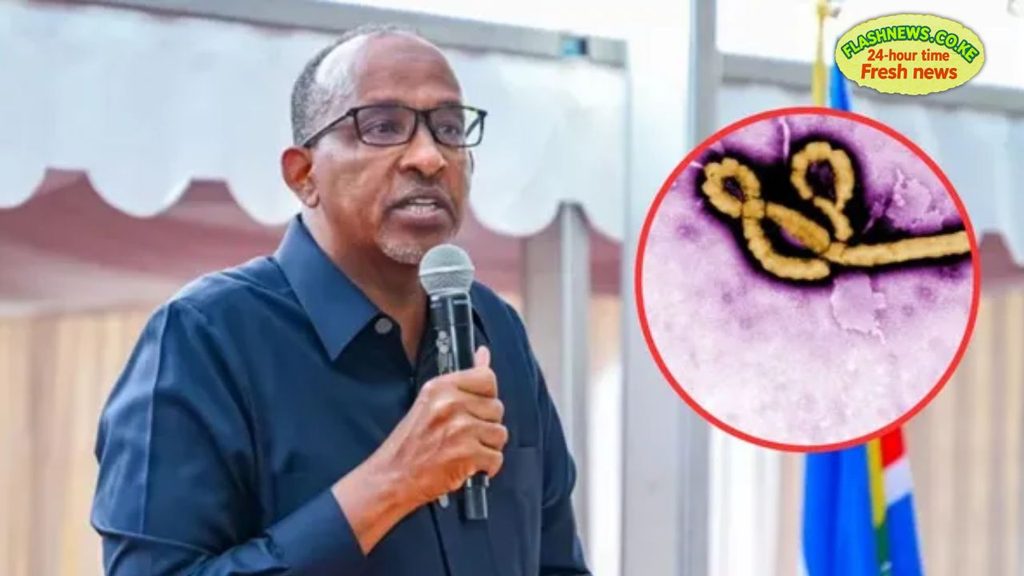
The latest development has intensified efforts to contain the disease, trace people who may have been exposed and protect healthcare workers and the wider public. However, authorities have said that there is currently no evidence of community transmission and that the risk to the general public remains low.
The new infections were detected among people who were already in quarantine, highlighting the importance of contact tracing, early detection and isolation in controlling the outbreak.
According to reports published by Reuters and Citizen Digital, all four patients developed fever while under quarantine and were isolated before their samples were tested. Reuters report | Citizen Digital report
Four New Ebola Cases Confirmed in Kenya
The Ministry of Health confirmed that the four additional patients tested positive for Bundibugyo virus disease, a form of Ebola virus disease.
Three of the newly confirmed patients are healthcare workers who attended to the first patient while he was receiving treatment in hospital. The group comprises two men aged 29 and 35 and a woman aged 32.
The healthcare workers had been in quarantine since 9 October after being identified as contacts of the first patient. The fourth newly confirmed patient is a male relative of the deceased, who had been under quarantine since 6 October.
Health authorities said the patients developed fever and were isolated before laboratory tests confirmed their infections. Their identification while in quarantine allowed health teams to provide care and continue monitoring other people who might have been exposed.
The new cases bring Kenya’s reported total to seven, including the first patient, who died on 5 October 2026.
The Ministry of Health continues to coordinate surveillance, contact tracing and treatment efforts as officials monitor the situation.
How Did the Ebola Outbreak Begin in Kenya?
Kenya’s first confirmed case involved a Kenyan man who had been living in the Democratic Republic of the Congo (DRC), where an Ebola outbreak was already underway.
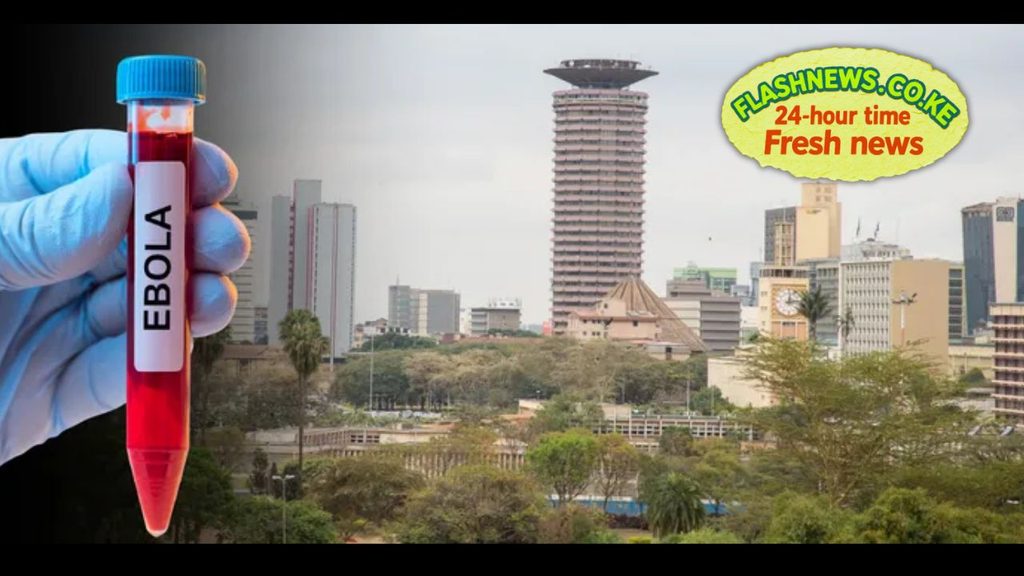
According to Kenya’s Ministry of Health, the patient had been ill for approximately a month before travelling from the DRC through Uganda and arriving in Nairobi on 3 October 2026.
After arriving at Jomo Kenyatta International Airport, he was taken to Nairobi Hospital, where he was assessed and isolated. Laboratory testing subsequently confirmed Bundibugyo Ebola virus disease. Despite receiving supportive treatment, he died on 5 October.
Health authorities then began identifying people who had been in contact with him, including relatives, friends, healthcare workers and people associated with his journey.
The emergence of further cases among close contacts prompted additional monitoring and quarantine measures. The latest four infections are particularly significant because they include healthcare workers who treated the initial patient.
The World Health Organization has also been supporting Kenya’s response and monitoring developments linked to the wider outbreak in the DRC.
Official source: Kenya Ministry of Health — First Imported Case of Bundibugyo Ebola Virus Disease
Kenya’s Ebola Contact-Tracing Efforts
Contact tracing is one of the most important tools used to control infectious disease outbreaks. It involves identifying people who may have been exposed to an infected person, assessing their risk and monitoring them for symptoms during the relevant observation period.
According to the Ministry of Health figures reported on 17 October, authorities had identified 130 contacts linked to the first patient. Of these, 128 had been traced and placed under quarantine, representing approximately 98.5 per cent of the identified contacts. Efforts to locate the remaining two contacts were continuing.
The ministry said the newly confirmed patients had already been in quarantine when they developed symptoms.
This matters because a person who develops symptoms while under effective quarantine is less likely to expose people outside the monitored group. It also enables health teams to arrange testing, isolation and medical care promptly.
Nevertheless, the appearance of new cases among known contacts means the outbreak requires continued attention. Additional infections may still be detected among people already exposed during the monitoring period.
The authorities’ priority is to identify all remaining contacts, monitor those at risk and interrupt any further chains of transmission.
Official update: Africa CDC — Support for Kenya Following Four Additional Ebola Cases
What Is Bundibugyo Ebola Virus Disease?
Bundibugyo Ebola virus disease is a serious illness caused by Bundibugyo virus, one of the viruses known to cause Ebola disease.
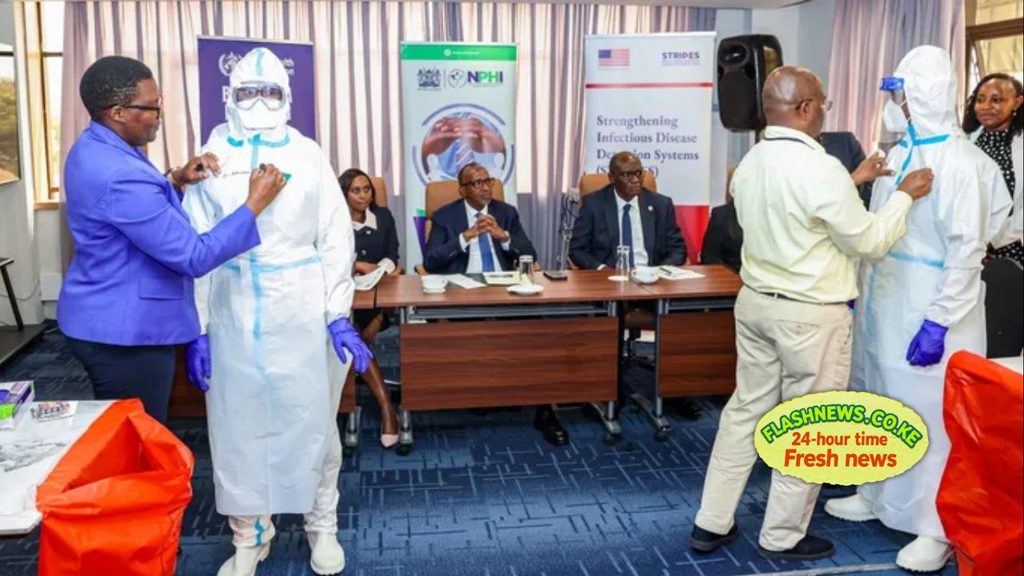
Ebola is not a single virus with only one form. Several viruses can cause the disease, and the available vaccines and treatments differ depending on the virus involved.
The current Kenyan cases have been identified as Bundibugyo virus disease. As reported on 17 October, there was no approved vaccine or specific treatment available for this particular strain. Patients can receive supportive medical care to manage symptoms and complications.
Supportive care may include fluids, careful monitoring, treatment of complications and other interventions determined by the clinical team. Prompt assessment and appropriate medical care are important for people suspected of having the disease.
The seriousness of Ebola means that anyone who believes they may have been exposed should seek professional guidance rather than attempting to diagnose or treat the illness at home.
For further information about the virus and the regional outbreak, readers can consult the World Health Organization’s Ebola disease outbreak update.
What Are the Symptoms of Ebola?
Ebola symptoms can initially resemble those of other illnesses, including malaria, influenza and other infections. Symptoms alone cannot confirm whether someone has Ebola, which is why medical assessment and appropriate laboratory testing are essential.
Possible symptoms include:
- Fever.
- Severe weakness or unusual tiredness.
- Headache.
- Muscle and joint pain.
- Sore throat.
- Vomiting and diarrhoea.
- Stomach pain.
- Unexplained bleeding or bruising in some cases.
Symptoms do not necessarily appear immediately after exposure. Ebola’s incubation period can range from two to 21 days.
Anyone who may have been exposed to a confirmed or suspected case and develops symptoms during this period should contact health authorities or seek urgent medical guidance. They should explain their possible exposure and follow instructions on how to reach a healthcare facility safely.
Do not assume that a fever means someone has Ebola. Many common illnesses can cause fever, and a diagnosis requires assessment by qualified health professionals.
How Does Ebola Spread?
Ebola spreads mainly through direct contact with the blood or other body fluids of an infected person who has symptoms, or the body of someone who has died from the disease. Contact with contaminated objects, including bedding, clothing or medical equipment, can also create a risk.
The virus can spread when infected body fluids enter another person’s body through broken skin or the eyes, nose or mouth. Healthcare workers and family members caring for sick people may face increased exposure if appropriate infection-prevention measures are not followed.
Ebola is not spread through ordinary conversation, simply being in the same public place or walking past another person. However, people should follow official guidance and avoid contact with anyone who may be infected until health professionals have assessed the situation.
Members of the public should not touch the body or belongings of a person suspected of dying from Ebola. Safe handling and burial procedures should be carried out by trained personnel.
What Should Kenyans Do to Protect Themselves?
The Ministry of Health has urged the public to remain vigilant without panicking. Practical precautions can help reduce the risk of infection and support the country’s public-health response.
1. Follow official health updates
Get information from the Ministry of Health, county health departments, the World Health Organization and other recognised public-health authorities. Avoid forwarding unverified claims, frightening images or rumours about suspected cases.
2. Avoid contact with bodily fluids
Do not touch blood, vomit, other body fluids or potentially contaminated materials belonging to someone who may have Ebola. Do not attempt to care for a suspected case without guidance and appropriate protective equipment.
3. Seek medical guidance promptly
If you believe you have had contact with a confirmed or suspected case, contact health authorities for advice. If symptoms develop after a possible exposure, tell healthcare professionals about the exposure and follow their instructions before travelling to a facility.
4. Maintain good hygiene
Wash your hands regularly with soap and running water or use an appropriate alcohol-based hand rub. Good hand hygiene is a useful general infection-prevention measure, although it does not replace precautions against direct contact with infected body fluids.
5. Cooperate with contact tracing
If public-health officials contact you because you may have been exposed, provide accurate information and follow instructions on quarantine, monitoring and testing. These measures help protect your family and community.
6. Avoid spreading unverified information
Do not publicly identify suspected patients, share private medical details or accuse individuals of spreading the disease. Report genuine concerns through official channels and allow trained health teams to investigate.
Is There a Risk of Ebola Spreading Across Kenya?
As of the Ministry of Health update reported on 17 October 2026, officials said there was no evidence of community transmission and that the risk to the general public remained low.
That assessment should be understood in the context of the information available at the time. It does not mean that the outbreak has ended or that further cases are impossible.
The confirmation of four additional cases demonstrates why surveillance and quarantine remain important. The patients were identified among known contacts, and authorities were still working to locate two people on the contact list.
Health teams are continuing to monitor exposed individuals and strengthen measures to detect possible infections. Kenya has also been increasing screening and preparedness at points of entry as part of its response.
Travellers should follow official instructions, provide accurate information when asked about their travel or health history, and cooperate with screening procedures.
As the situation evolves, readers should check the latest Ministry of Health announcements rather than relying on an older article or social media post.
Where Can Kenyans Get Official Ebola Information?
Members of the public can contact the Ministry of Health through its toll-free health information line, 719, for guidance and updates.
Useful official resources include:
- Kenya Ministry of Health: https://www.health.go.ke/
- Africa Centres for Disease Control and Prevention: https://africacdc.org/
- World Health Organization: https://www.who.int/
- WHO Regional Office for Africa: https://www.afro.who.int/
People who suspect exposure or develop symptoms should seek professional medical advice promptly. They should not wait for symptoms to become severe before reporting a possible exposure.
Frequently Asked Questions About Ebola in Kenya
How many Ebola cases has Kenya confirmed?
As of the Ministry of Health update reported on 17 October 2026, Kenya had confirmed seven cases of Bundibugyo Ebola virus disease, including one death.
Who are the four newly confirmed Ebola patients?
The four patients include three healthcare workers who treated the first patient and one close male relative of the deceased. All four were in quarantine before they tested positive.
Has Ebola started spreading in Kenyan communities?
As of the 17 October update, the Ministry of Health said there was no evidence of community transmission. The situation remained under monitoring, and further cases among exposed contacts were still possible.
What are the early signs of Ebola?
Possible symptoms include fever, headache, severe tiredness, muscle pain, sore throat, vomiting and diarrhoea. Some patients may experience unexplained bleeding. These symptoms can also occur with other illnesses, so professional assessment is essential.
How can I report a suspected Ebola exposure in Kenya?
Contact the Ministry of Health through its toll-free line, 719, or seek guidance from recognised health authorities. If you have symptoms after possible exposure, tell healthcare professionals about your exposure and follow their instructions.
Is there a vaccine for the Bundibugyo strain?
As reported on 17 October 2026, there was no approved vaccine specifically for the Bundibugyo virus strain. Readers should consult the WHO and Kenya’s Ministry of Health for updated information about research, vaccines and treatment guidance.
Conclusion: Kenya Steps Up Ebola Surveillance as Cases Rise to Seven
Kenya’s confirmation of four additional Ebola cases has raised the total to seven, including one death. The newly identified patients—a group of three healthcare workers and one relative of the first patient—were already in quarantine when they tested positive.
The detection of these infections highlights the importance of contact tracing, early isolation, safe healthcare practices and accurate public information. Authorities reported that 128 of 130 identified contacts had been traced and quarantined, while efforts to locate the remaining two continued.
Although the Ministry of Health reported no evidence of community transmission and assessed the general public risk as low at the time, continued vigilance remains necessary.
Kenyans should remain calm, follow official advice, avoid contact with potentially contaminated body fluids and report suspected exposure promptly. For guidance, call 719 or consult the official Ministry of Health website.
Flash News will continue to monitor verified updates from Kenyan health authorities and recognised public-health organisations as more information becomes available.
Editorial note: This report reflects information available from reports published on 17 October 2026. Ebola outbreak figures and public-health advice may change; check official updates for the latest position.
Also Read: Scholarships in Kenya 2026/2027: Available Opportunities, Requirements and How to Apply