






Kenya Approves U.S.-Backed Ebola Quarantine Centre at Laikipia Air Base Amid Growing Legal Challenge
Kenya has reportedly approved a United States proposal to establish an Ebola quarantine facility at a military air base in Laikipia County, as Washington commits approximately Ksh1.74 billion towards strengthening the country’s preparedness against the deadly virus.
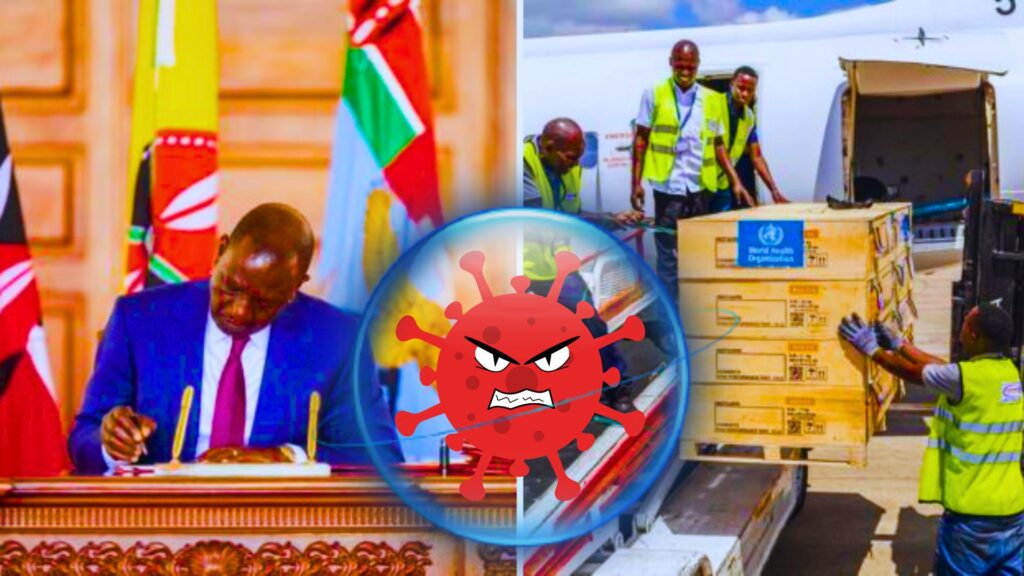
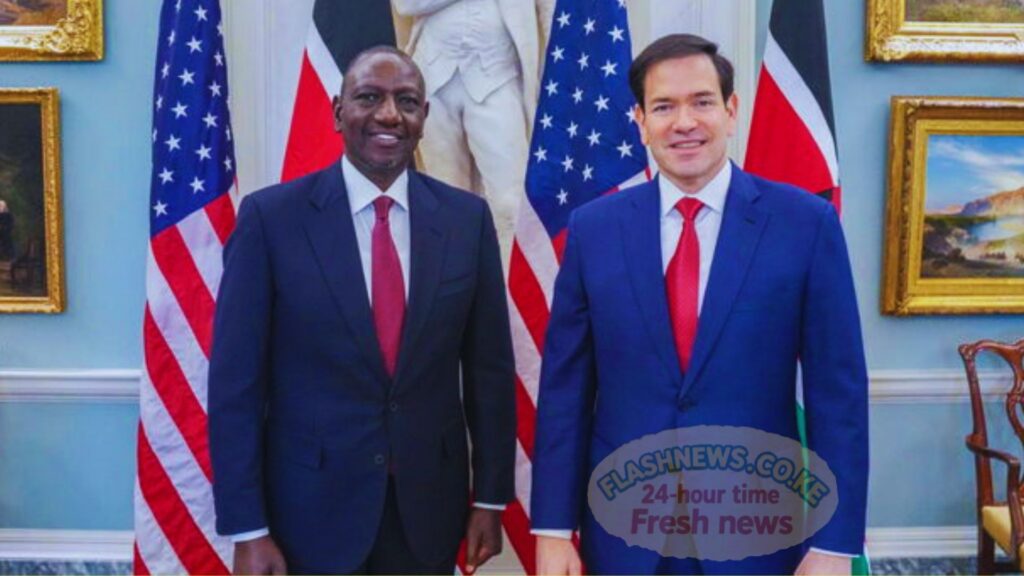
The development follows a high-level phone conversation between Kenyan President William Ruto and U.S. Secretary of State Marco Rubio on Thursday, May 28, during which the two leaders discussed regional health security concerns and efforts to contain the ongoing Ebola outbreak affecting parts of Central and East Africa.
According to a statement released by U.S. State Department spokesperson Tommy Pigott, Rubio and Ruto discussed coordinated measures to secure critical medical supplies, enhance surveillance systems, and improve Kenya’s emergency response capacity in the event of a cross-border Ebola outbreak.
During the discussions, Rubio announced that the United States would provide approximately Ksh1.74 billion in support of Kenya’s Ebola preparedness programme.
Sources familiar with the matter indicate that Kenya has since granted written approval allowing U.S. authorities access to land within an air force facility in Laikipia, where a specialised quarantine and monitoring centre is expected to be established.
The proposed facility is expected to become operational within days and will initially feature a 50-bed field hospital. Plans reportedly allow for expansion to accommodate up to 250 beds should the regional situation deteriorate.
Officials briefed on the project say the facility will be staffed by members of the U.S. Public Health Service, with personnel currently undergoing specialised infectious disease response training at Joint Base Andrews in Maryland before deployment to Kenya.
The move comes as health authorities continue to monitor the worsening Ebola outbreak in the Democratic Republic of Congo, which has spread into neighbouring Uganda, raising fears of wider regional transmission and increasing pressure on governments across East Africa to strengthen preparedness measures.
“The facility is designed to provide access to high-quality care for Americans who would need to quickly get out of DRC and quarantine without the risks of a lengthy transport back to the U.S.,” a U.S. government official reportedly said.
Reports indicate that the initiative is being jointly coordinated by the U.S. Departments of State, Defence, and Health and Human Services as part of broader contingency plans to protect American personnel and citizens operating within the region.
Kenya’s Ministry of Health confirmed on Wednesday that discussions were ongoing with the United States and other international partners regarding cooperation on Ebola preparedness and response mechanisms.
Sources further revealed that Kenyan officials had initially advocated for the facility to be accessible to individuals of all nationalities rather than being reserved exclusively for American citizens. However, it remains unclear whether that proposal was incorporated into the final arrangement.
The proposal gained momentum after Rubio reportedly announced that Ebola-infected individuals, including U.S. citizens, would not be permitted entry into the United States while containment efforts remained underway.
Several Americans believed to have been exposed to the virus have already been evacuated to Europe for observation and treatment. Reports indicate that one infected doctor was transferred to Germany, while other exposed citizens were relocated to facilities in Germany and the Czech Republic.
However, the decision to establish a quarantine centre in Kenya has sparked immediate legal and public opposition.
On Thursday, the Katiba Institute and the Law Society of Kenya, alongside other civil society organisations, filed a petition seeking court orders to block the establishment of any Ebola-related quarantine, isolation, or treatment facility connected to the United States or any foreign government on Kenyan soil.

The petitioners argue that Kenyans have a constitutional right to full disclosure and public participation before any such arrangement is implemented.
Among the orders sought is a directive compelling the Ministry of Health to release all agreements, memoranda of understanding, environmental impact assessments, biosafety approvals, health risk analyses, and emergency preparedness plans associated with the proposed facility.
The case is expected to intensify public debate over national sovereignty, public health security, and Kenya’s role in international disease response efforts as authorities race to prevent any potential spread of Ebola into the country.
Also Read: Ruto Establishes National Ebola Response Committee as U.S.-Funded Facility Faces Opposition