

Kenya Milk Supply Crisis Deepens as Government Considers Imports and Emergency Feed Support





Kenya’s milk supply shortage has triggered a government response, with the Ministry of Agriculture preparing emergency measures to support dairy farmers and considering temporary imports if local production fails to recover.
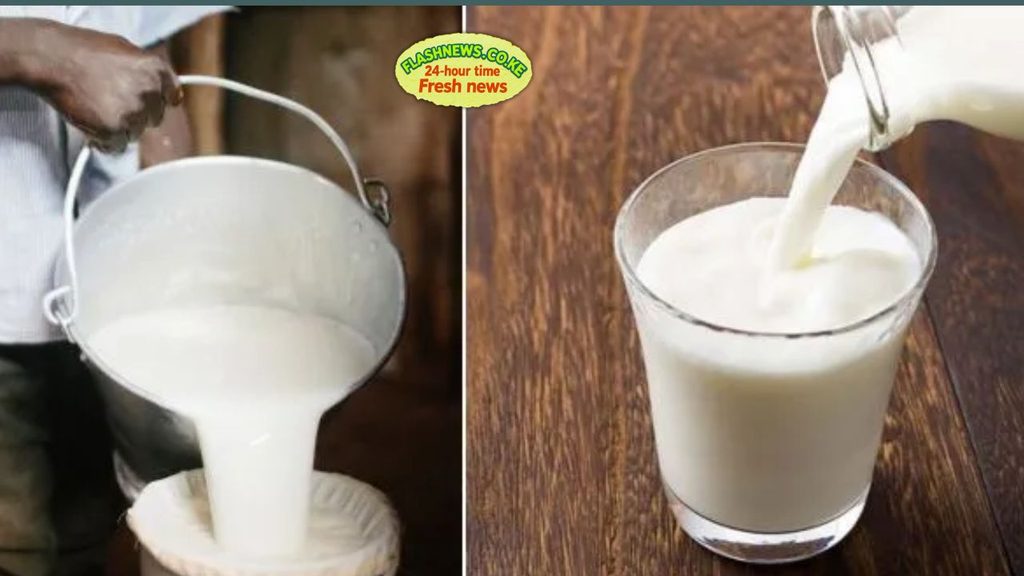
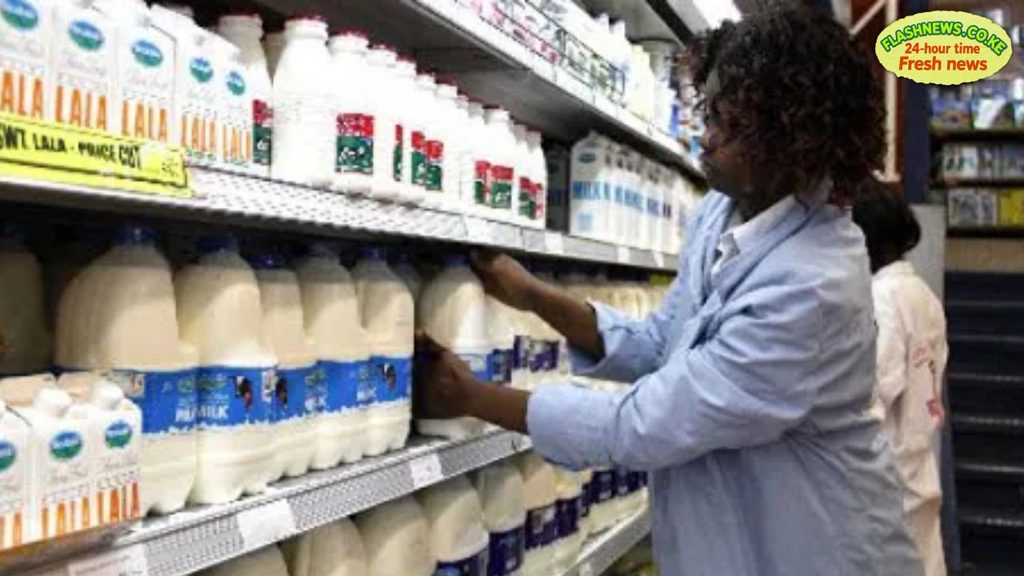
The government has moved to address declining milk supplies in shops after formal deliveries to processors fell sharply, raising fresh concerns over the availability and affordability of one of Kenya’s most widely consumed household staples.
Livestock Development Principal Secretary Jonathan Mueke said the disruption was largely linked to reduced rainfall and growing pressure on animal fodder, which has affected milk production in parts of the country.
Speaking after a meeting with dairy processors on Thursday, September 3, Mueke said the government was working on both immediate and longer-term measures to restore supplies.
“We understand where the gap is and what needs to be done to restore normalcy in the short, medium and long term,” Mueke said.
He added that the ministry would continue monitoring milk production on a daily basis and provide regular updates to the public.
Emergency feed plan unveiled
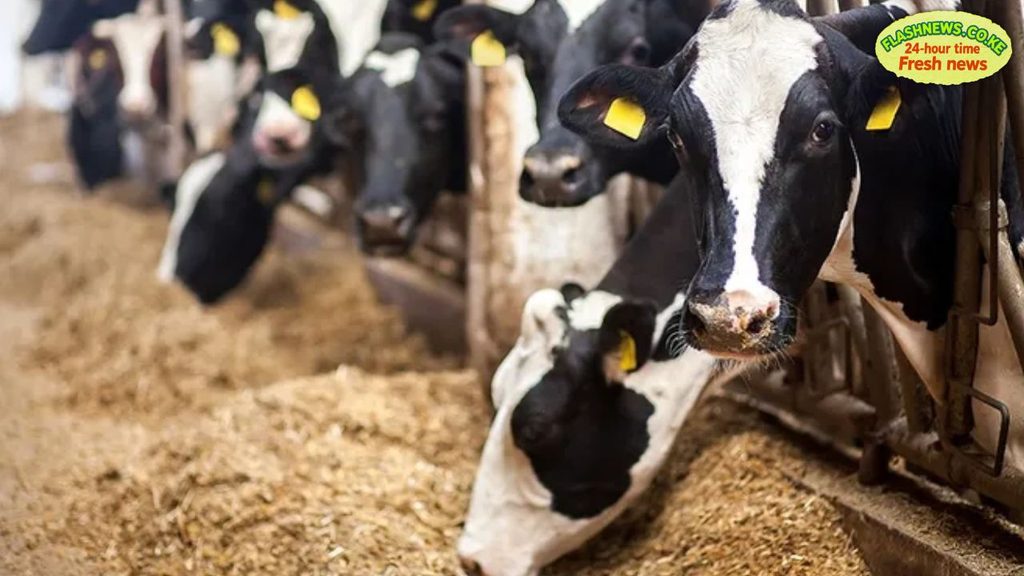
One of the government’s immediate interventions will involve working with animal-feed manufacturers to establish where stocks are available and how they can be moved to farmers facing shortages.
The feed is expected to be distributed through dairy cooperatives and processors, potentially helping farmers maintain production while the country waits for improved weather conditions.
The ministry is also preparing for the duty-free importation of yellow maize after President William Ruto approved the measure.
According to Mueke, the move is expected to provide additional raw materials for animal-feed manufacturers and ease pressure on farmers struggling to access affordable feed.
Government leaves door open to milk imports
In a move likely to attract significant attention from consumers and the dairy industry, Mueke said the government was also considering temporary imports of milk from neighbouring countries.
The proposal would only be used if necessary to bridge the supply gap while domestic production recovers.
The possibility of importing milk comes as processors face declining deliveries from local farmers and growing concerns about shortages on supermarket shelves and in shops.
The government has, however, maintained that the current disruption is temporary and has sought to reassure consumers that the shortage should not automatically translate into higher retail prices.
Milk deliveries fall by 3.7 per cent
The Kenya Dairy Board has confirmed that formal milk deliveries to processors declined from 84.4 million litres in June 2026 to 81.3 million litres in July, representing a 3.7 per cent drop.
The decline has fuelled concerns that prolonged pressure on production could eventually affect both availability and prices.
Those concerns intensified after the Consumers Federation of Kenya (COFEK) gave the government seven days on August 31 to publish a transparent recovery plan, warning that consumers could face higher prices if the shortage continued.
The government’s latest measures are therefore aimed at preventing a temporary production decline from developing into a wider dairy-market crisis.
Processors promise to protect prices
Following Thursday’s meeting, Kenya Dairy Processors Association Chair Kenneth Gitonga sought to reassure consumers that processors would make efforts to maintain current prices.
Gitonga described the supply problem as temporary and said production could begin recovering in the coming weeks.
He pointed to expected increases in rainfall during October, November and December, which could improve pasture and fodder availability and consequently boost milk production.
“The situation is temporary,” Gitonga said, pointing to improved rainfall and an expected recovery in production.
Government considers new milk reserve system
Beyond the immediate crisis, officials are considering a longer-term mechanism designed to protect Kenya from the recurring boom-and-bust cycle in milk production.
Mueke said the government was considering establishing a fund that could purchase excess milk during periods of high production and release it back into the market when supplies fall.
Such a system could potentially reduce the extreme seasonal fluctuations that have repeatedly affected farmers, processors and consumers.
The PS described the fluctuations as part of a recurring seasonal pattern, suggesting that Kenya needs mechanisms capable of managing supply throughout the year rather than responding only when shortages emerge.
Farmers could also receive a larger share
The ministry is also working with officials in the cooperative sector to issue a circular aimed at ensuring dairy farmers receive a fairer share of the price paid for their milk.
The government is simultaneously pursuing longer-term interventions, including additional milk coolers and improved breeding programmes intended to strengthen dairy production.
For consumers, however, the immediate question remains whether the government can prevent the current shortage from translating into higher prices.
For farmers, the focus is on whether access to feed, better market returns and improved production support can help reverse declining supplies.
With the government now considering everything from emergency animal feed distribution to possible milk imports, the coming weeks could prove crucial for Kenya’s dairy sector.
Also Read: KRA PAYE System Hitch Sparks Employer Fears Ahead of September Deadline