

Kenya exported solar panels worth approximately $138 million (KSh17.9 billion) to the United States in the first eight months of 2026, highlighting the country's growing role in the international renewable energy supply chain.Kenya Exports KSh17.9 Billion Worth of Solar Panels to US in Eight Months
Sign up to Flash News
Your info will be used in accordance with our Privacy Policy

The reported increase comes alongside a sharp rise in Kenya's imports of solar cells from China, raising the possibility that local businesses are importing the components, assembling them into finished solar panels and subsequently exporting the products to the American market.
According to trade figures cited in a report by Kenyans.co.ke, Kenya's imports of solar cells from China increased significantly, rising from approximately $5 million (KSh650 million) during the corresponding period in 2025 to $576 million (about KSh74.9 billion) in 2026.
The report further indicated that Kenya was China's largest single importer of solar cells in October 2026.
Customs data cited by Bloomberg showed that Kenya's solar panel exports to the US rose from almost zero in January to an estimated KSh17.9 billion by August.
The figures point to a rapidly expanding trade relationship involving solar technology, with Kenya potentially benefiting from opportunities in component assembly and the export of finished renewable energy products.
Kenya Emerges as a Potential Solar Manufacturing Hub
The growing trade in solar products could strengthen Kenya's position as a destination for businesses seeking to serve international renewable energy markets.
The country's reported increase in solar cell imports suggests that local companies may be exploring opportunities to assemble and process imported components before exporting finished products.
However, the import figures alone do not establish how much of the exported solar equipment was manufactured or assembled locally. Further details on the companies involved, production facilities and the origin of the finished panels would help establish the extent of Kenya's role in the supply chain.
Bloomberg analyst Youru Tan reportedly observed that African countries with relatively lower trade barriers and favourable tariff arrangements could become more competitive in supplying the American market.
“Most African countries with lower trade barriers and tariff treatment can be more competitive and better positioned to continue serving the US market,” Tan was quoted as saying.
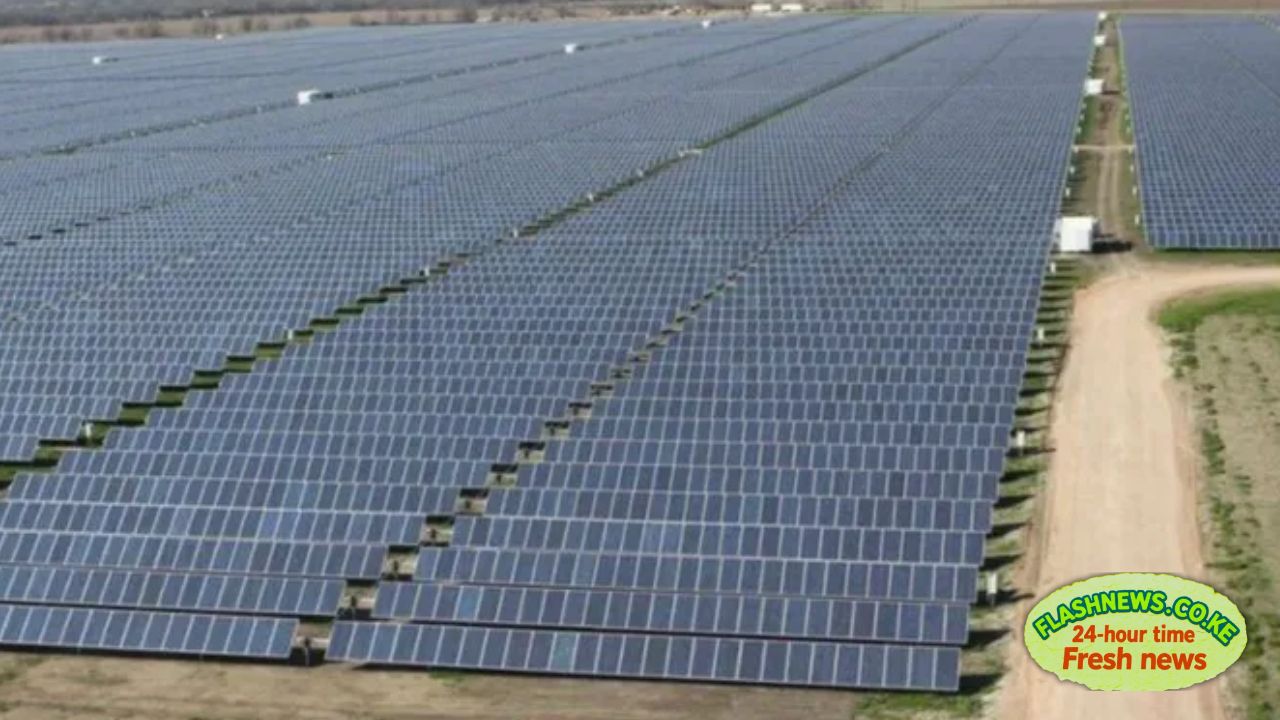
Such conditions could create opportunities for Kenyan manufacturers and investors looking to expand solar technology production and assembly.
Rising US Demand Creates Opportunities for Kenyan Exporters
The United States remains an important destination for Kenyan exports, with the reported growth in solar panel shipments adding to the country's broader trade opportunities.
According to figures attributed to the Kenya National Bureau of Statistics (KNBS), Kenya's exports to the US reached approximately KSh116 billion in 2026, compared with KSh57.52 billion in 2025.
The reported increase represents growth of approximately 101.8 per cent, suggesting a substantial expansion in the value of goods traded between the two countries.
Historical figures cited in the report show that Kenya exported goods worth KSh54.10 billion to the US in 2024, KSh46.23 billion in 2023 and KSh60.05 billion in 2022.
The figures point to fluctuations in Kenya's export performance over the years, followed by the reported increase in 2026.
The growing solar trade could provide another avenue for Kenyan businesses to benefit from demand in the American market, particularly as countries invest in renewable energy technologies.
What the Solar Export Boom Means for Kenya
The reported increase in solar panel exports presents potential opportunities for local businesses, manufacturers and investors.
If more companies establish solar assembly and manufacturing facilities in Kenya, the country could benefit from investment, employment opportunities, technology transfer and increased export earnings.
It could also strengthen Kenya's position in the regional renewable energy industry, particularly if local firms develop the capacity to manufacture or assemble components rather than relying entirely on imported finished products.
However, the long-term benefits will depend on the level of local value addition, the sustainability of export demand and the competitiveness of Kenyan manufacturers.
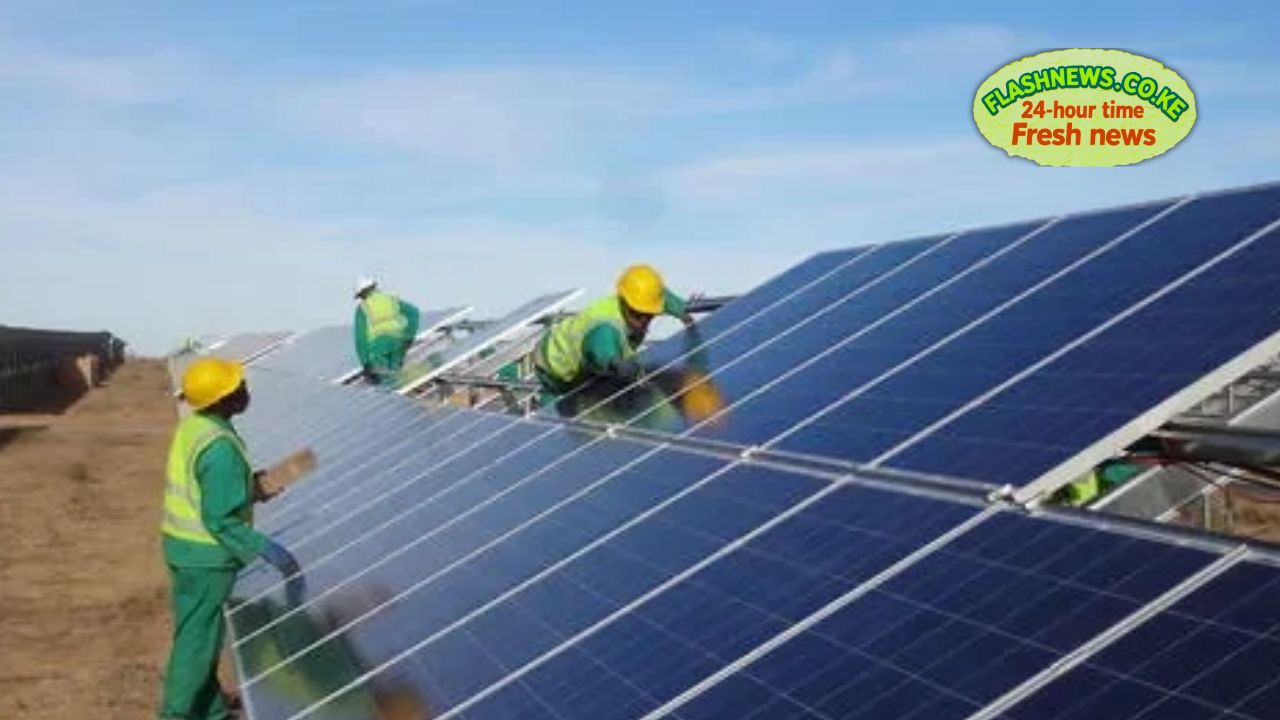
For now, the reported trade figures highlight the growing importance of solar technology in Kenya's export economy and the potential opportunities emerging from international demand for renewable energy equipment.