






India is preparing to receive four cheetahs from Kenya later this year in a major wildlife transfer programme aimed at restoring the species decades after it vanished from the country.
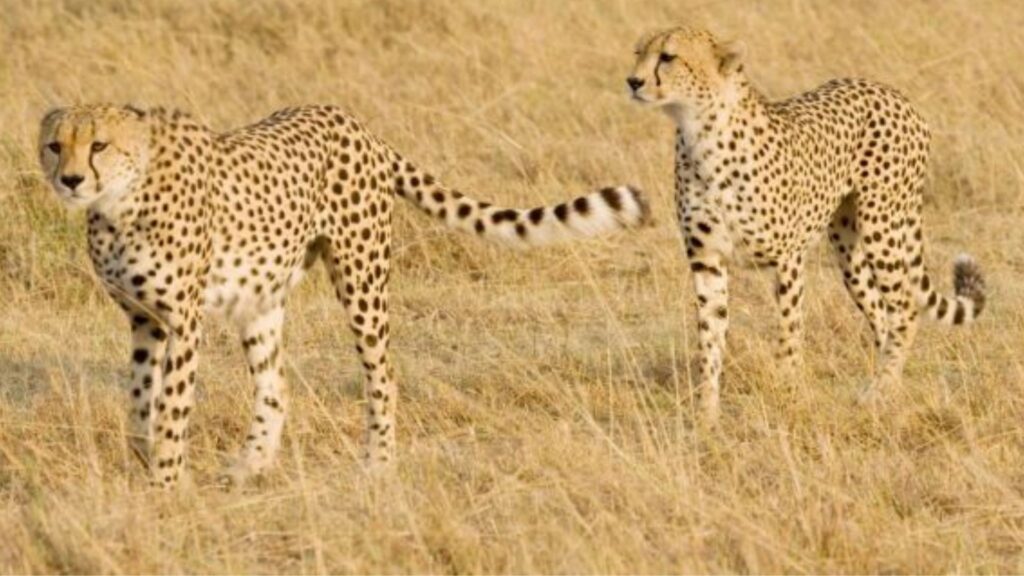
The planned relocation, approved by India’s National Tiger Conservation Authority (NTCA), comes after months of delays and renewed negotiations between Nairobi and New Delhi over the ambitious cross-continental conservation project.
According to a May 21 report by The Times of India, the cheetahs — two male-female pairs — will be transferred to Gujarat’s Banni grasslands in Kutch, a specially developed breeding and acclimatisation centre designed to mirror the African savannah.
Indian wildlife officials described the 500-hectare conservation facility as the country’s first dedicated cheetah breeding centre, built specifically to support the long-term survival of the world’s fastest land animal.
Authorities said extensive security measures have already been put in place at the site, including reinforced chain-link fencing stretching nearly 10 kilometres around the reserve to prevent escapes and shield the predators from encounters with lions and other large carnivores.
Before arriving at Banni, the Kenyan cheetahs are expected to undergo quarantine and observation at Kuno National Park, where India has already established a specialised holding facility for incoming animals.
The transfer forms part of India’s wider “Project Cheetah” initiative — a high-profile effort to reintroduce the species after cheetahs were officially declared extinct in the country in the 1950s due to hunting and habitat loss.
Talks between Kenya and India had initially centred on relocating between eight and ten cheetahs by 2026, but logistical challenges and conservation concerns reportedly slowed the process.
Kenya joins Botswana and Namibia as the three African nations supporting India’s ambitious rewilding mission.
Indian authorities revealed that as many as 12 cheetahs could eventually be housed at the Banni facility within the next year as part of a wider breed-mixing strategy intended to strengthen genetic diversity.
Officials further disclosed that successful breeding at the centre could pave the way for future releases into open wilderness zones across Kutch, subject to approval by the NTCA.
The latest development follows an announcement earlier this year by Bhupender Yadav confirming the arrival of nine additional cheetahs from Botswana.
India currently hosts 48 cheetahs, including 28 cubs born on Indian soil, following earlier translocations from Namibia in 2022 and South Africa in 2023.
Meanwhile, the Kenya Wildlife Service (KWS) warns that cheetahs remain among Africa’s most threatened big cats, with only an estimated 800 to 1,200 adults remaining across Kenya’s national parks, reserves and conservancies.
Also Read: What Trump’s AGOA Extension Means for Kenyan Jobs and Exports