






Kenya-U.S. Biological Pact Resurfaces as Laikipia Ebola Facility Sparks National Debate
A bilateral agreement signed between Kenya and the United States in 2022 has resurfaced amid mounting public scrutiny over the planned establishment of a U.S.-linked Ebola quarantine facility at the Laikipia airbase.
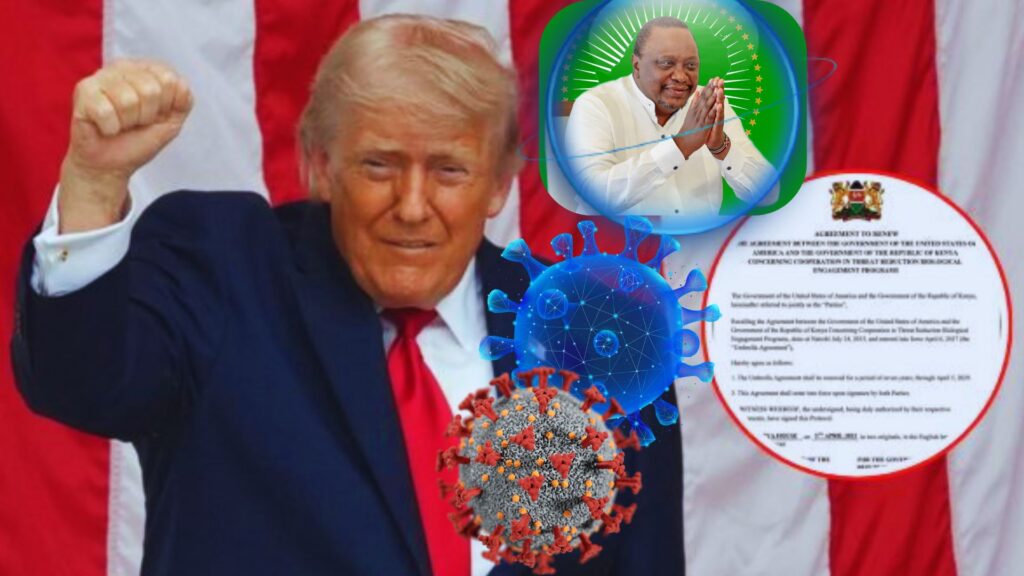
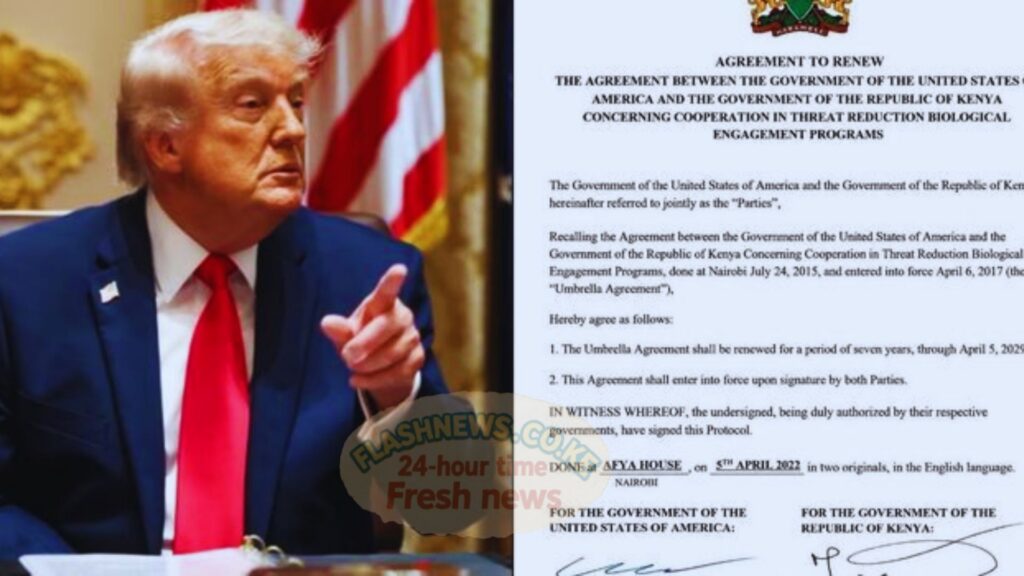
The document, which outlines cooperation on biological threat reduction programmes, was signed on April 5, 2022, and extended an existing Kenya-U.S. partnership for a further seven years, running until April 2029.
The agreement was signed on behalf of the Kenyan government by then Health Cabinet Secretary Mutahi Kagwe, while the United States was represented by then U.S. Chargé d’Affaires Eric Kneedler.
Details contained in the document show that the extension was approved several months before President William Ruto assumed office in September 2022, indicating that the framework predates the current administration. The original agreement was first signed in 2015 during the administration of former President Uhuru Kenyatta and officially came into force in 2017 before being renewed in 2022.
The agreement has attracted fresh attention after reports emerged regarding plans to establish a quarantine and isolation facility at the Kenya Defence Forces (KDF) airbase in Laikipia, a move that has generated intense public debate and political opposition.
While the 2022 agreement makes no direct reference to Ebola treatment centres, quarantine facilities, or the relocation of American citizens to Kenya, analysts note that it provides the legal framework for continued collaboration between Nairobi and Washington on biological threat reduction initiatives.
Such programmes are typically designed to strengthen disease surveillance, improve outbreak detection capabilities, secure biological materials, and prevent the spread of dangerous pathogens. They are also intended to address biological threats arising from naturally occurring diseases, accidental releases, or deliberate misuse.
However, critics argue that the timing of the document’s re-emergence has fuelled public concerns about the government’s intentions regarding the Laikipia facility.
Opposition leaders, civil society organisations, and sections of the public have questioned why Kenya would host a quarantine facility linked to Ebola preparedness despite the country not having recorded any active Ebola cases. Some critics have accused the government of exposing the country to unnecessary risks, while others have demanded greater transparency regarding the facility’s operations and intended beneficiaries.
The controversy has intensified online, where the agreement has been widely shared and debated, with some users claiming it offers evidence of long-standing plans for deeper biological cooperation between Kenya and the United States.
Amid the growing backlash, Health Cabinet Secretary Aden Duale has sought to reassure Kenyans that the facility does not pose a threat to public safety.
Speaking during an interview on Saturday, Duale said the centre would be operated by the Kenya Defence Forces and would not be reserved exclusively for American citizens.
“The facility will be managed by KDF and will serve patients requiring quarantine, isolation, or treatment services whenever the need arises,” Duale said.
He further explained that the project forms part of a wider national preparedness strategy aimed at strengthening Kenya’s capacity to respond to future public health emergencies.
Duale dismissed allegations that the government was deliberately exposing Kenyans to the Ebola virus, insisting that the facility is intended to enhance the country’s readiness to manage potential outbreaks rather than import disease into the country.
Despite the government’s assurances, the issue remains politically sensitive, with opposition figures continuing to demand additional disclosures regarding the facility’s funding, operational framework, and the extent of U.S. involvement.
As debate continues, the resurfaced 2022 agreement is likely to remain at the centre of discussions over Kenya’s public health preparedness, national sovereignty, and its broader strategic partnership with the United States.
Also Read: Fears Over U.S. Control Rejected as Duale Says KDF Will Run Ebola Centre