






Kenyan Embassy in South Korea Urges Citizens to Collect Passports and Good Conduct Certificates After Consular Exercise
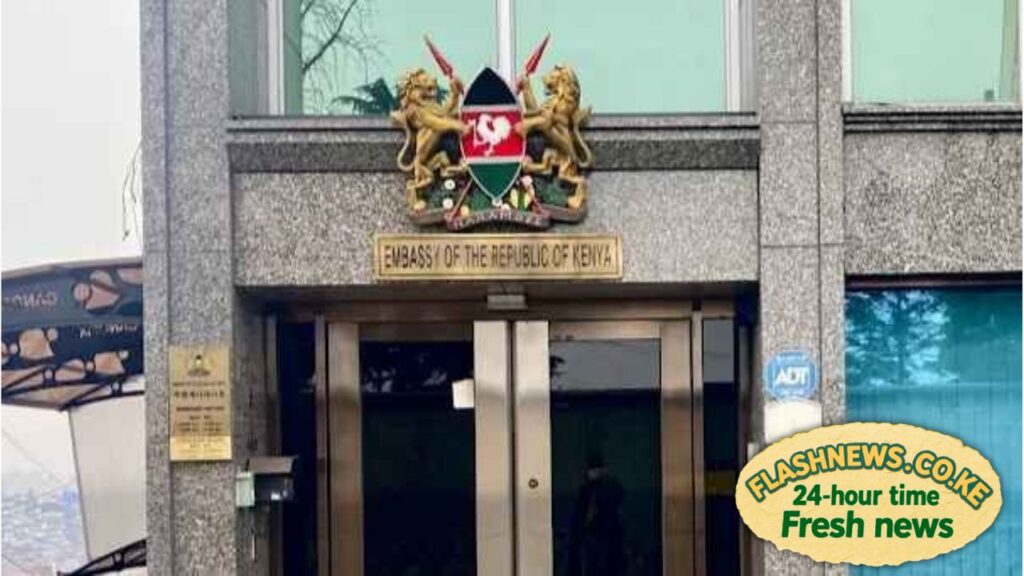
The Kenyan Embassy in Seoul has issued an urgent notice calling on Kenyan citizens who applied for passports and Certificates of Good Conduct during its March 2026 Mobile Consular Service exercise to collect their documents.
In a public notice issued on Thursday, July 9, the embassy confirmed that all documents processed during the outreach programme are now ready for collection at its offices in Yongsan-gu, Seoul.
The announcement applies to Kenyans who submitted applications for passports and Police Clearance Certificates (Certificates of Good Conduct) during the week-long consular exercise held in March.
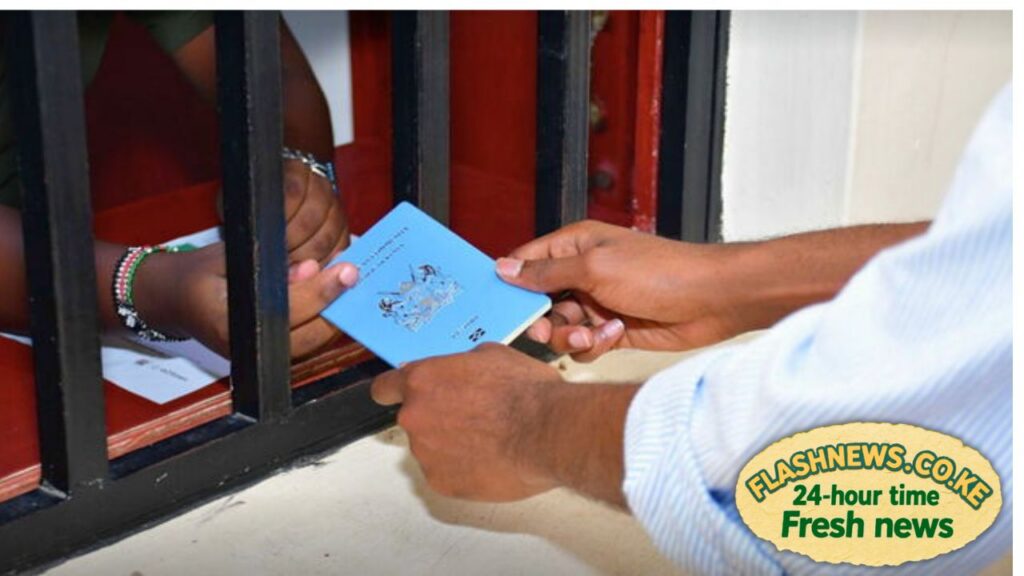
“This is to kindly inform those who applied for any of the following documents during the March Mobile Consular Service exercise that their documents are now available for collection: Passport and Police Clearance Certificate (Good Conduct),” the embassy said in the notice.
Although the embassy did not specify a deadline for collection, the latest communication signals efforts to ensure processed travel and identification documents are picked up promptly and to reduce the backlog of uncollected documents.
March Outreach Served Kenyans Across South Korea
The documents were processed during the embassy’s Mobile Consular Service conducted between March 6 and March 11, an initiative aimed at bringing essential government services closer to Kenyans living in South Korea.
During the exercise, consular officials processed a range of applications, including new passports and passport renewals, birth registration for children born abroad, Certificates of Good Conduct, and Certificates of No Impediment to Marriage.
Applicants seeking passport renewal were required to present copies of their previous passports, Kenyan identification documents and a completed eCitizen application form.
Meanwhile, applications for Certificates of Good Conduct attracted a fee of KSh2,500 (30,000 South Korean Won) and required copies of a passport and an Alien Registration Card.
Those applying for a Certificate of No Impediment to Marriage paid KSh12,500 (150,000 South Korean Won) and were required to submit copies of passports, national identity cards and birth certificates for both parties.
Growing Kenyan Community in South Korea
The latest advisory comes as the Kenyan diaspora in South Korea continues to expand. According to figures previously released by the embassy, between 300 and 400 Kenyans currently reside in the East Asian nation.
The community is largely made up of university students pursuing higher education, alongside researchers, engineers, information technology professionals, entrepreneurs and religious workers.
The embassy has increasingly relied on mobile consular outreach programmes to improve access to government services for Kenyans living abroad, reducing the need for frequent travel and helping citizens process critical documents more efficiently.
Kenya-South Korea Relations Continue to Deepen
The document collection exercise also comes against the backdrop of strengthening diplomatic and economic relations between Kenya and South Korea.
The two countries have enjoyed more than six decades of bilateral cooperation, with annual trade valued at more than KSh30 billion.
South Korea remains one of Kenya’s key development partners and has supported several flagship infrastructure and technology projects, including the Digital Media City at Konza Technopolis and Nairobi’s Intelligent Transport System (ITS), initiatives aimed at accelerating Kenya’s digital transformation and improving urban mobility.
Also Read: Govt Releases Ksh1.5 Billion, KCSE Examiners Finally Receive Delayed Allowances