






Kenyans Warned to Stay Alert in South Africa as Embassy Issues Urgent Safety Advisory Amid Rising Unrest
Kenyan nationals living in South Africa have been urged to exercise heightened vigilance after the government issued a formal safety advisory warning of escalating tensions and isolated attacks targeting foreign nationals.
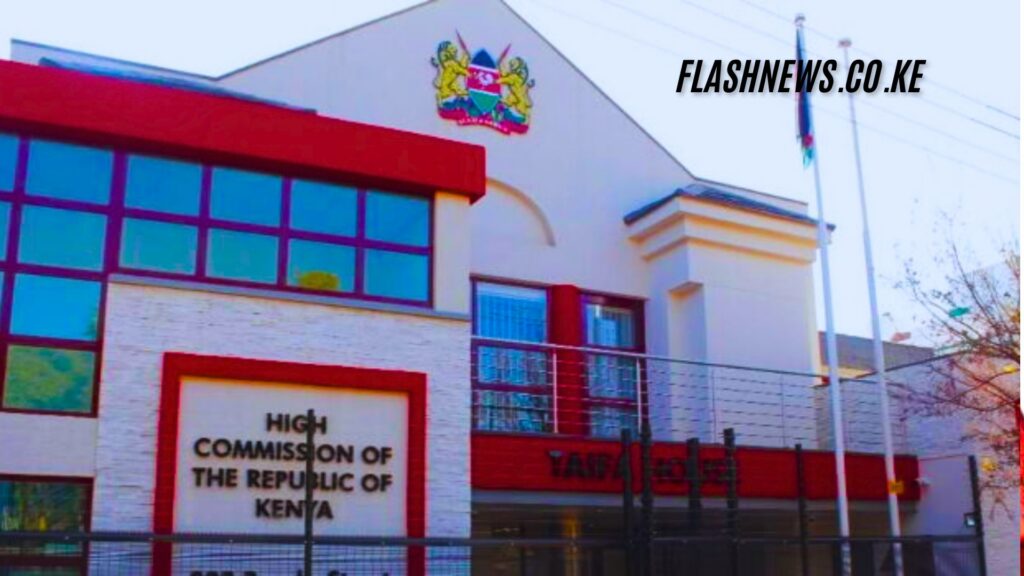
The notice, released on May 4 by the Kenya High Commission in Pretoria, comes amid growing unease over sporadic protests and a resurgence of xenophobic violence reported in several parts of the country.
In a strongly worded statement, the mission cautioned thousands of Kenyans working, studying and doing business across South Africa to remain alert and avoid high-risk areas.
“The Kenya High Commission in Pretoria wishes to advise all Kenyan nationals residing in the Republic of South Africa to exercise caution and remain vigilant in light of recent demonstrations and isolated incidents reported in some parts of the Republic of South Africa affecting foreign nationals,” the statement read.
The High Commission further instructed Kenyans to steer clear of protest zones wherever possible and to closely follow directives issued by local authorities. Citizens were also urged to carry valid identification documents at all times to minimise risks during security checks or unexpected confrontations.

Officials emphasised the importance of maintaining contact with local security agencies, urging Kenyans to promptly report any threats or attacks.
“In the event of any incident or emergency, Kenyan nationals are advised to report the same to the South African Police Service (SAPS) and to inform the Kenya High Commission in Pretoria for appropriate assistance,” the advisory added.
The warning follows a sharp resurgence of xenophobic violence in late April and early May, with reports of mobs targeting foreign-owned businesses and communities in major urban centres including Johannesburg, Cape Town and parts of the Eastern Cape.
In some of the worst-hit areas, armed vigilante groups have reportedly looted and destroyed shops belonging to immigrants, forcing hundreds—if not thousands—to flee. Durban has been particularly affected, with widespread displacement reported among migrant communities.
Nationals from across the continent, including Nigeria, Ghana, Zimbabwe, Malawi and Lesotho, are said to be among those hardest hit by the unrest.
Much of the agitation has been linked to pressure groups such as Operation Dudula, which have spearheaded protests calling for the expulsion of foreign nationals. The groups accuse migrants of contributing to unemployment, crime and drug abuse—claims widely disputed by analysts.
Observers warn that inflammatory rhetoric from some local political figures and community leaders has further heightened tensions, raising fears that vulnerable foreign populations—including Kenyans—may be increasingly scapegoated amid South Africa’s economic challenges.
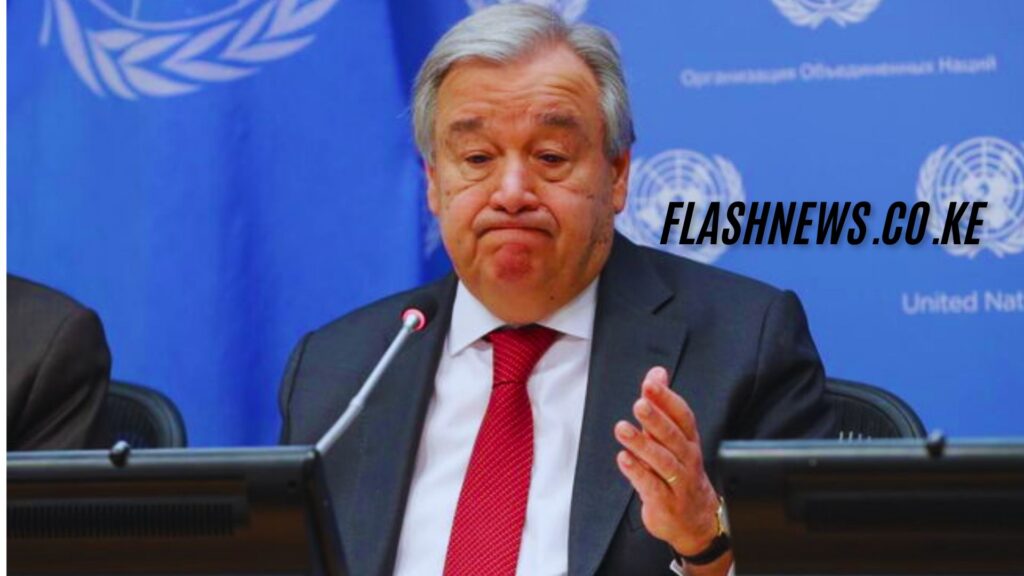
The violence has drawn sharp international condemnation. António Guterres, Secretary-General of the United Nations, warned that such attacks stand in stark contradiction to the solidarity once extended to South Africa during its anti-apartheid struggle.
Regional governments have also reacted strongly. Nigeria has reportedly summoned Pretoria’s envoy and begun evacuating its citizens, while Ghana and Zimbabwe have called for enhanced protections for migrants.
Meanwhile, the African Commission on Human and Peoples’ Rights has demanded swift investigations and accountability for those responsible, as rights groups caution that the violence risks undermining regional integration and South Africa’s standing as a champion of democracy and human rights.
Also Read: Ex-CS Matiang’i Questions Uhuru Park Concert Ban