






Kenyans to Pay More for Used Cars as KRA Implements New Tax Valuation
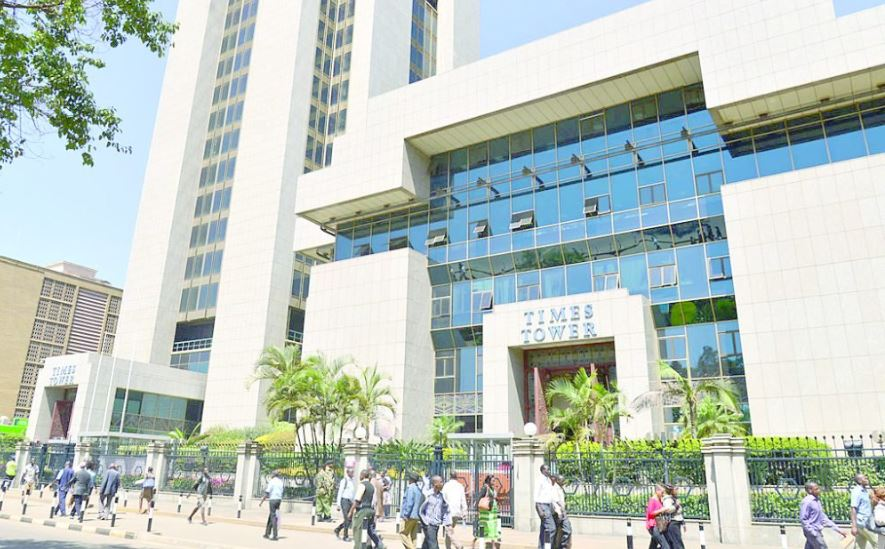
The Kenya Revenue Authority (KRA) will implement a revised vehicle valuation schedule effective July 1, 2025, raising taxes on imported used cars and pushing up retail prices. The updated Current Retail Selling Price (CRSP)—used to calculate import duties, VAT, and excise taxes—reflects market changes since the last adjustment in 2019. Industry stakeholders warn of steep price hikes, while KRA defends the move as necessary for fair taxation.
Background and Rationale for the Update
The CRSP serves as the benchmark for determining taxes on second-hand vehicles, factoring in depreciation from a new car’s local retail value. The KRA cited outdated data in the 2019 CRSP, which excluded newer models, as justification for the revision.
Seraphine Anamanjia, Senior Manager at Ernst & Young, noted:
“Within six years, prices and vehicle efficiency standards have evolved. This adjustment aligns taxes with current realities, but consumers will bear the cost.”
A May 30 KRA notice confirmed the update followed stakeholder consultations, aiming to modernize the tax framework.
Projected Price Surge and Industry Backlash
Dealers anticipate sharp increases in retail prices, with some models facing duty spikes of over 300%.
Peter Otieno, Chairperson of the Car Importers Association of Kenya, highlighted examples:
- Toyota Probox: Duty rising from Ksh.100,000+ to Ksh.500,000.
- Nissan Note: Duty jumping from Ksh.232,000 to Ksh.500,000.
“Vehicles will become unaffordable. The industry is collapsing—we imported 70,000 units in 2023 versus 200,000 previously,” Otieno added.
Ayub Mwangi, a Nairobi-based dealer, echoed concerns:
“Even buyers with loans are defaulting. High costs will shrink demand further.”
Tax Structure and Economic Pressures
Imported used cars already face layered taxes:
- 35% import duty
- 25–35% excise duty
- 16% VAT
- 2% railway levy
- 3.5% import declaration fee
The revised CRSP compounds existing challenges: high shipping costs, forex volatility, and stricter regulations.
KRA and Experts Defend the Adjustment
The KRA maintains that the update ensures equitable taxation amid shifting market conditions.
Jossinter Syengo, Senior Manager at KPMG, explained contributing factors:
“Exchange rates have surged since 2019. The dollar’s strength and market trends necessitated this revision.”
The move risks pricing out middle-income buyers, exacerbating reliance on older, inefficient vehicles. Dealers urge government intervention to mitigate the blow, while tax experts stress the need for periodic CRSP reviews to avoid abrupt shocks.
Stakeholders will monitor July’s rollout closely, with potential appeals for phased implementation or subsidies to ease the transition.
Also Read: Twist as Two Suspected Witnesses in Priest Alloys Bett Murder Found Dead in Soin
Kenyans to Pay More for Used Cars as KRA Implements New Tax Valuation