

Orchestrating Regional Crackdown on Dissent, Demands Action Over Abductions





The Kenya Human Rights Commission (KHRC) has launched a scathing attack on the governments of Kenya, Tanzania and Uganda, accusing their leaders of presiding over a growing regional campaign of enforced disappearances, torture and the suppression of political dissent.

In a strongly worded statement issued on June 29, the rights organisation alleged that President William Ruto, Tanzanian President Samia Suluhu Hassan, Ugandan President Yoweri Museveni, alongside senior security officials, have overseen what it described as an alarming erosion of civil liberties across East Africa.
The commission claimed that security agencies in the three countries are increasingly treating activism, journalism, political opposition and peaceful protest as criminal activities.
“President William Ruto, illegitimate President Samia Suluhu Hassan, President Yoweri Museveni, Muhoozi Kainerugaba, and all regional security and justice institutions must know that enforced disappearance is not governance. Abduction is not law enforcement. Torture is not national security,” KHRC stated.
It added:
“The people of East Africa are not subjects to be hunted, silenced or disappeared.”
KHRC Links Leaders to Recent Disappearances
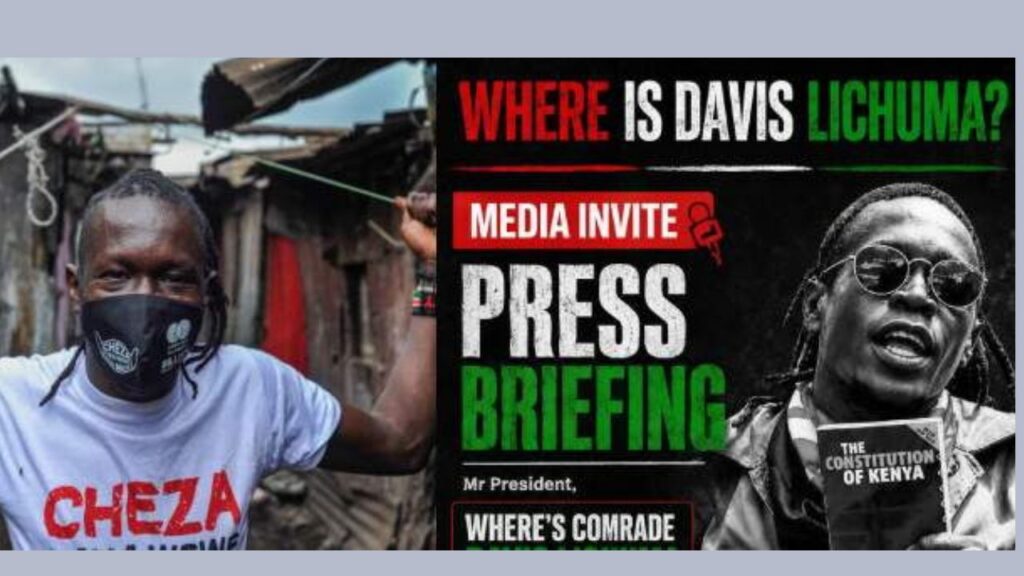
The commission directly linked President Ruto’s administration to the alleged arbitrary arrest and enforced disappearance of seven Kenyan human rights defenders who were reportedly seized during a wreath-laying ceremony held on June 25.
The activists were among demonstrators commemorating victims of the 2025 anti-government protests before several were later found abandoned in different locations, while others remain missing.
In Tanzania, KHRC alleged that activist David Nikindikwa was abducted while participating in an online X Spaces discussion on the same day, accusing President Suluhu’s administration of presiding over a worsening crackdown on dissent.
Meanwhile, Uganda’s President Museveni and his son, General Muhoozi Kainerugaba, were accused of overseeing an environment in which opposition voices continue to disappear, citing the reported disappearance of activist Maria Matembe as part of what the commission described as a wider regional pattern.
According to KHRC, the incidents demonstrate growing cooperation among East African governments in suppressing criticism.
Rights Group Issues Tough Demands
The commission called for immediate intervention by regional governments, demanding an end to enforced disappearances and accountability for those responsible.
“Regional leaders must immediately order an end to enforced disappearances, produce all disappeared persons, investigate and prosecute those responsible, and guarantee that no person is punished for dissent, protest, journalism, human rights work or political association.”
Among its key demands, KHRC called for:
- The immediate resignation of Inspector-General Douglas Kanja, Deputy Inspector-General Eliud Lagat, and other senior police officers allegedly linked to disappearances and torture.
- The immediate production before court or unconditional release of missing activists Abdulaziz Molu, Michael Oloo, and MacMillan Kiarie Mugo.
- Full disclosure of the legal basis for treason charges brought against activist Bob Njagi, arguing that treason laws must not be used to criminalise political dissent.
- Urgent medical treatment, psychosocial care, reparations and forensic documentation for the seven recovered activists, particularly Davis Lichuma, who was reportedly found dumped outside Kenyatta National Hospital (KNH) in critical condition.
East Africa’s Human Rights Record Under Spotlight
The statement comes amid mounting international concern over shrinking civic space across East Africa.
According to recent Freedom House assessments, Kenya remains classified as “Partly Free”, scoring 49 out of 100, with declining ratings in civil liberties and press freedom following reports of journalist arrests, restrictions on protests and increased censorship.
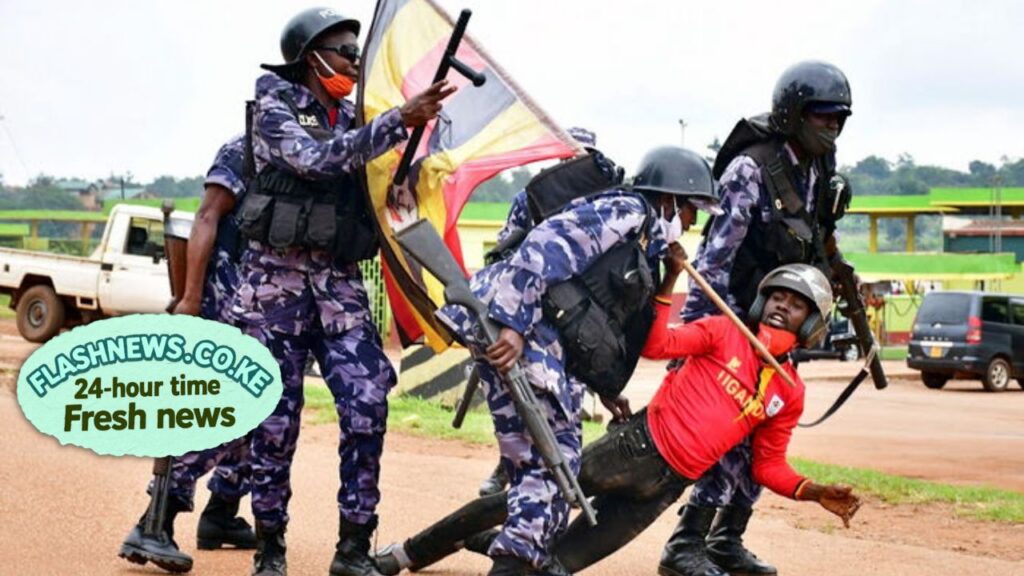
Uganda also retains a “Partly Free” classification with an overall score of 49/100, but records only 34/100 for civil liberties, reflecting continued concerns over arrests of journalists, opposition figures and human rights defenders.
Tanzania remains the region’s lowest-ranked country, classified as “Not Free” with 28/100, following tighter restrictions on political gatherings, growing pressure on opposition parties and continued concerns over electoral freedoms despite earlier reform pledges.
KHRC warned that unless governments reverse what it called a dangerous trend of criminalising dissent, East Africa risks further democratic backsliding and escalating human rights violations.
Also Read: Trump Administration Orders Immigrants to Legalise Status or Leave US After Supreme Court Ruling