






MPs Tear Into KPLC Over ‘Shocking’ 9% Last-Mile Power Rollout Despite Years of Funding
Members of Parliament have sharply criticised the Kenya Power and Lighting Company (KPLC) over the sluggish implementation of the government’s last-mile electricity connectivity programme, revealing that only nine per cent of the project has been completed despite years of heavy public investment.
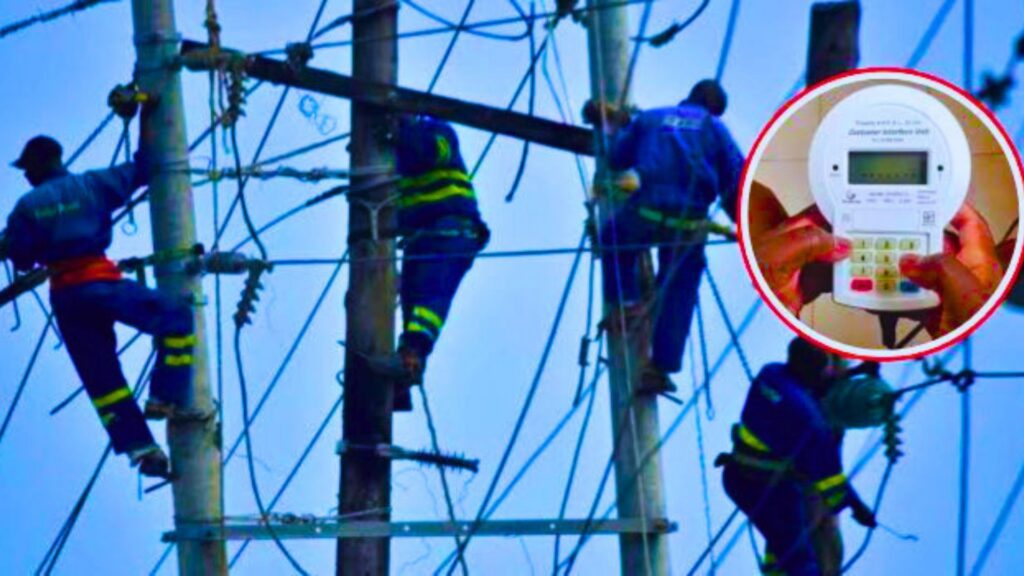
The concerns were raised on Tuesday, April 28, during a heated session of the National Assembly’s Departmental Committee on Energy, where lawmakers grilled officials from KPLC and the Rural Electrification and Renewable Energy Corporation (REREC) over persistent delays in expanding electricity access—particularly in rural communities.
Committee chair David Gikaria questioned the credibility of official government data, pointing to what he described as a glaring disconnect between reported national connectivity levels and the reality on the ground.
“We are being told connectivity is above 70 per cent, yet on the ground it is a different story,” Gikaria said. “Based on the data we have, last-mile connectivity is at only nine per cent with just months to go. This does not add up.”
The last-mile connectivity programme was launched to accelerate universal electricity access by linking households located near existing transformers. However, MPs warned that the slow pace threatens to derail the government’s broader electrification targets.
In response, KPLC officials attributed the delays to funding challenges, citing disruptions caused by the collapse of the 2024 Finance Bill following widespread youth-led protests.
According to the utility firm, the failed legislation significantly affected the disbursement of funds to contractors, slowing down project implementation across the country.
But lawmakers rejected the explanation, accusing the company of hiding behind external factors instead of leveraging its own financial capacity.
“Let us not hide behind the Finance Bill,” Gikaria fired back. “If KPLC is now profitable, why can’t you use your own resources to drive last-mile connectivity instead of waiting for donors?”
KPLC further pointed to operational constraints, revealing that only 26 contractors are currently engaged in last-mile connectivity works nationwide—an issue MPs said reflects poor planning and inefficiency.
Despite the setbacks, the company insisted it is undertaking internal reforms aimed at streamlining project delivery. These include localising invoicing systems and establishing a dedicated project account to ensure faster payments to contractors.
The revelations come amid growing public scrutiny of KPLC’s operations, particularly following its recent move to recover last-mile connectivity debts through prepaid electricity tokens.
The company disclosed that it has been deducting up to 50 per cent of token purchases from some consumers to offset outstanding connection fees—raising concerns among users who say they were not adequately informed.
With pressure mounting, MPs have now signalled tougher oversight measures as they push for accountability and faster delivery of electricity to millions of unconnected households.
Also Read: ODM Under Attack? Olekina Warns of ‘Diabolical Scheme’ as Battle for Nyanza Begins