


The Kenya Wildlife Service (KWS) is facing calls to investigate the deaths of more than six hippos in Lake Naivasha over the past two weeks, amid fears that the unexplained incident could pose risks to wildlife, fishing activities and tourism.

Residents and beach operators have expressed concern after several hippo carcasses were reportedly found floating in the lake, demanding urgent investigations to establish what caused the animals to die.
They warn that decomposing carcasses could affect people working on the lake, attract health and environmental concerns, and disrupt businesses that depend on visitors coming to see the wildlife.
One local resident said the deaths were already affecting tourism activities around the shoreline.
“The carcasses are a tourist attraction on our beach. They bring us a lot of trouble because a lot of tourists come to Kenya and pay a lot of money to come and see the hippos, which we don’t have anywhere else,” the resident stated.
The affected communities want KWS to move quickly, remove the carcasses where necessary and establish whether the deaths resulted from poisoning, disease or another cause.
Residents suspect possible poisoning
Suspicion has centred on possible poisoning after residents reported that some of the dead hippos had no visible injuries.
Members of the Kamere Beach Management Unit said the absence of apparent wounds had raised concerns that toxic substances could have been involved.
However, poisoning has not been confirmed, and the cause of the deaths remains unknown.
Residents are calling for scientific examinations and appropriate laboratory tests to establish whether the animals were exposed to toxic chemicals or died from another cause.
The findings could help determine whether the incident is isolated or points to a wider environmental threat affecting Lake Naivasha.
Flower farms raise environmental concerns
The incident has also drawn attention to activities around the Lake Naivasha basin, which hosts commercial flower farms and other horticultural businesses.
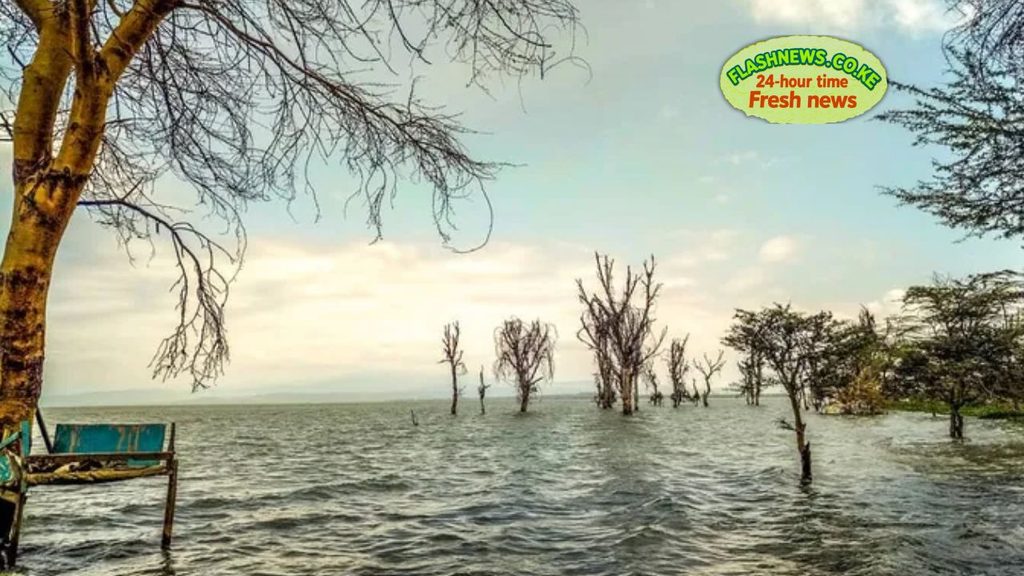
The farms produce flowers, vegetables, fruits and herbs for local consumption and export markets. Some agricultural operations in the area use irrigation systems that draw water from Lake Naivasha and nearby boreholes.
The wider basin also supports dairy farms, livestock ranches and open-field agricultural activities, including the cultivation of maize, wheat, barley and sorghum.
Although residents have raised concerns about possible poisoning, no evidence has so far established a link between the hippo deaths and agricultural chemicals or any particular business.
An investigation would need to establish whether toxic substances, water contamination, disease or other environmental factors contributed to the deaths.
Incident recalls Amboseli elephant deaths
The Lake Naivasha incident comes months after the deaths of elephants in the Amboseli-Kimana ecosystem raised concerns over wildlife poisoning.
At least 16 elephants, mainly adult females and calves, were initially reported dead, with the toll later rising to 18 in August 2026.
Preliminary investigations by the University of Nairobi and KWS pointed to possible cyanide poisoning.
Investigators also examined tomatoes recovered from elephant carcasses as part of efforts to establish how the animals may have been exposed to toxic substances.
The investigations led to the arrest of four suspects and the recovery of unlabelled toxic chemicals in Tokondu Kima.
The Amboseli case renewed concerns about the dangers posed by poisonous substances to wildlife and the need for stronger investigations when unexplained animal deaths occur.
Calls grow for KWS to issue an update
Residents and beach operators around Lake Naivasha are now seeking answers from wildlife authorities over the latest incident.

They want KWS to establish the number of hippos that have died, determine the cause of death and explain what measures are being taken to protect other animals.
The affected communities are also concerned about the potential impact of decomposing carcasses on fishing, tourism and other activities around the lake.
As of the time of reporting, no formal KWS statement confirming the cause of the hippo deaths had been provided in the information available for this report.
The results of an investigation will be important in determining whether the deaths were caused by poisoning, disease or other environmental factors, and whether further action is necessary to protect Lake Naivasha’s wildlife.
Also Read:Kenya Moves to Regulate Crypto Businesses as CBK and CMA Require Licences