

Manyatta MP Gitonga Mukunji Pushes for Two-Thirds Quorum in Finance Bill Votes After Low MP Turnout





Manyatta MP John Gitonga Mukunji has proposed sweeping changes to parliamentary voting procedures, calling for future Finance Bills to be passed only when at least two-thirds of Members of Parliament participate in the vote.
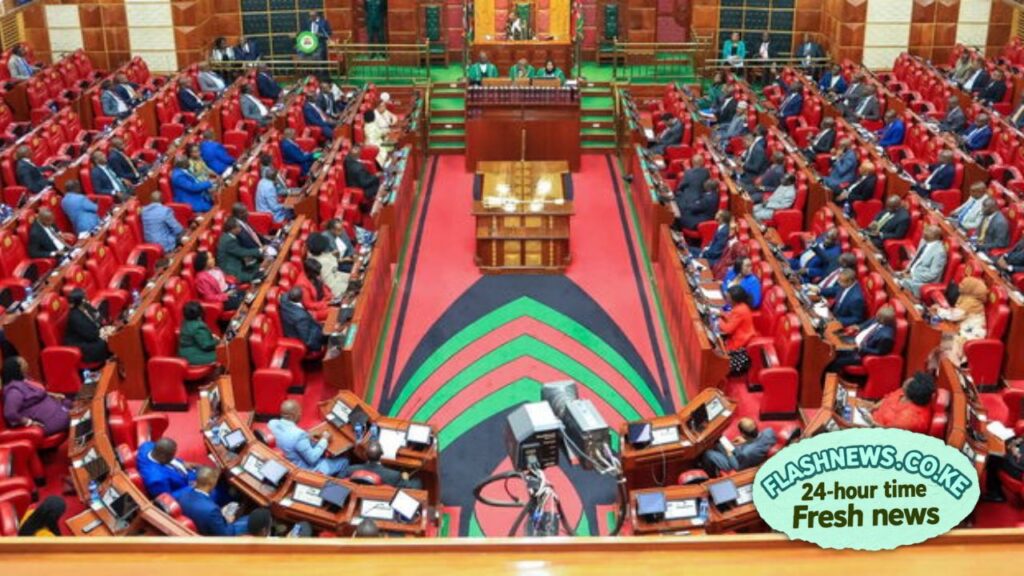
The lawmaker’s proposal comes in the wake of growing public scrutiny following the passage of the Finance Bill 2026, where less than half of all MPs took part in the decisive Third Reading vote despite the legislation carrying significant economic implications for millions of Kenyans.
Speaking during an interview on Monday, June 22, Mukunji argued that Finance Bills are among the most consequential pieces of legislation considered by Parliament and should therefore be subjected to stricter voting requirements similar to those used in impeachment proceedings.
According to the MP, the Finance Bill directly affects citizens’ livelihoods through taxation and government spending policies, making it too important to be determined by a relatively small number of lawmakers.
“There should be a different prerequisite for voting on the Finance Bill, and I believe we should go to the levels of impeachment, requiring that we need to raise the quorum to two-thirds when we are voting for such a consequential bill in the lives of our people,” Mukunji stated.

His remarks follow last week’s Finance Bill vote, where only 162 MPs participated despite the National Assembly having a total membership of 349 elected and nominated legislators.
Of those who voted, 122 MPs supported the Bill while 40 opposed it. A total of 187 lawmakers did not participate in the final vote, triggering debate over accountability, representation, and parliamentary responsibility.
Under the current National Assembly Standing Orders, proceedings can continue as long as the House meets the minimum quorum requirement of 50 members. However, critics have argued that legislation with far-reaching economic consequences should attract broader participation from elected representatives.
Mukunji expressed concern that many MPs may have deliberately avoided taking a public position on the Bill due to political considerations and fear of backlash from voters.
“If you cannot participate in this, then you are not representing your people,” he said.
The legislator further suggested that some lawmakers chose to stay away from the vote to avoid being associated either with the government or the opposition.
“Judging from what has happened on this bill, that 187 members didn’t vote, many of them fearing to be seen voting on this side or that side, depending on who they want to impress,” he added.

The MP argued that Parliament should review its Standing Orders to compel legislators to take clear positions on legislation that carries major social and economic implications.
Mukunji, who voted against the Finance Bill, maintained that the legislation presented an opportunity to address concerns raised by ordinary Kenyans regarding the rising cost of living and tax burdens.
He also questioned the absence of a proposal that would exempt workers earning KSh30,000 and below from Pay As You Earn (PAYE) tax, a commitment that had previously been highlighted by President William Ruto.
According to Mukunji, many Kenyans expected the measure to be included in the Finance Bill, but it was ultimately omitted from the legislation presented before Parliament.
The matter has previously been addressed by Treasury Cabinet Secretary John Mbadi. While presenting the 2026/27 Budget in Parliament on June 11, Mbadi explained that the government was still assessing the financial implications of implementing the tax exemption.
The Treasury boss noted that exempting low-income earners from PAYE could create a significant revenue shortfall and therefore required further fiscal analysis before a final decision could be made.
Mukunji’s proposal is likely to spark fresh debate on parliamentary reforms and the level of participation required when lawmakers vote on legislation that directly affects taxpayers and the country’s economic direction.
The Manyatta MP has also confirmed his intention to contest the Embu gubernatorial seat in the 2027 General Election under the Democracy for Citizens Party (DCP).
Also Read: Kenya Railways to Launch Luxury SGR First-Class Coaches in July 2026