

Parliament Petitioned to Recognise Sexual Dysfunction as Disability in Kenya Under Proposed Law





A petition seeking to have certain forms of sexual dysfunction legally recognised as disabilities has been formally submitted to Parliament, opening the door to what could become one of the most debated health and legal proposals in recent years.
The petition, filed by senior veterinary doctor, virologist and law student Dr Benson Kibore, urges lawmakers to amend existing legislation to recognise clinically diagnosed persistent low libido in men and Hypoactive Sexual Desire Disorder (HSDD) in women as disabilities where they cause substantial impairment to a person’s daily life.
According to documents submitted to the Senate Office of the Clerk on July 15, the proposal argues that the conditions are not merely relationship issues but medically recognised disorders capable of causing serious psychological, emotional and social consequences.
“Establish that persistent Low Libido and HSDD are medical conditions capable of causing substantial psychological, emotional, relational and functional impairment, and therefore warrant legislative and policy consideration within Kenya’s health and disability framework,” part of the petition states.
Petition seeks constitutional and legal recognition
If adopted, the proposal would require Parliament to amend the Persons with Disabilities Act, 2025, allowing individuals diagnosed with qualifying sexual dysfunctions to receive disability recognition where medical evidence demonstrates that the condition substantially and persistently limits normal functioning.
Dr Kibore argues that many Kenyans suffering from the disorders remain untreated because of deep-rooted cultural stigma and social taboos, leaving them reluctant to seek professional medical assistance.
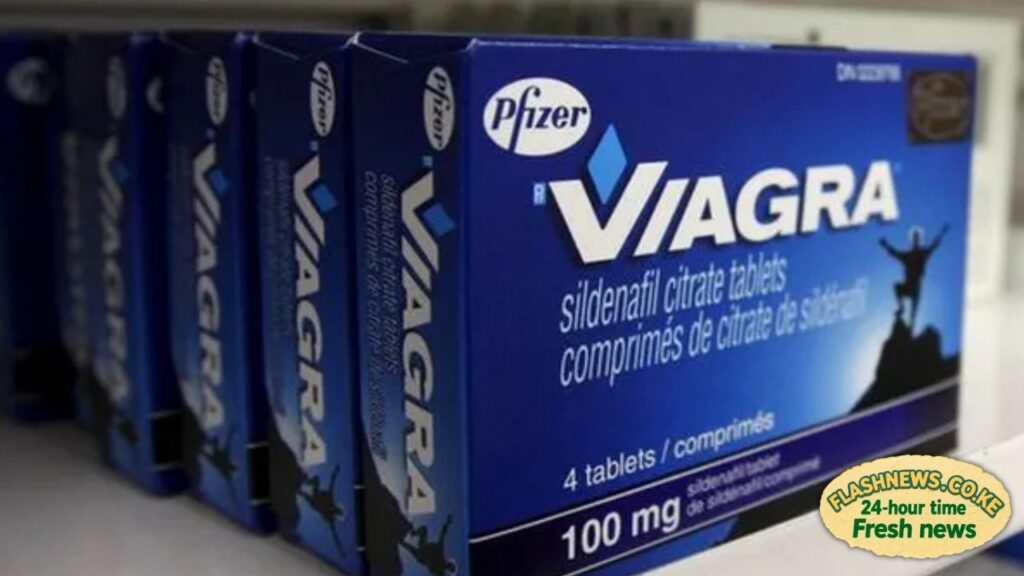
Instead, he says, some individuals resort to unregulated sexual enhancement drugs or self-medication, exposing themselves to potentially serious health risks.
The petition contends that untreated sexual dysfunction extends far beyond intimacy, warning that it can contribute to depression, anxiety, emotional distress, declining self-esteem and strained personal relationships.
It further argues that prolonged cases may result in reduced marital satisfaction, infidelity, family instability, emotional stress among children and wider social consequences affecting households.
Push for SHA coverage and national treatment guidelines
Beyond legal recognition, the petition also seeks significant reforms to Kenya’s healthcare system.
Among the proposals is an amendment to the Social Health Insurance Act requiring the Social Health Authority (SHA) to cover the assessment, diagnosis, counselling and treatment of qualifying sexual dysfunction disorders under its benefits package.
The petitioner is also asking Parliament to direct the Ministry of Health to develop national clinical guidelines covering screening, diagnosis, treatment and rehabilitation of affected patients.
In addition, the petition calls for increased government funding for scientific research into sexual health disorders and the formulation of a comprehensive National Sexual Health Policy to improve prevention, treatment and public awareness.
Comes after concerns over misuse of erectile dysfunction drugs
The petition arrives months after the Ministry of Health warned about the growing misuse of erectile dysfunction medication, particularly among younger users.
Health officials previously raised concerns that many people were obtaining such drugs without proper medical assessment, highlighting the need for greater public education and professional healthcare interventions.
Dr Kibore maintains that recognising qualifying sexual dysfunctions within Kenya’s legal and healthcare frameworks would encourage affected individuals to seek timely treatment while reducing stigma surrounding medically diagnosed conditions.

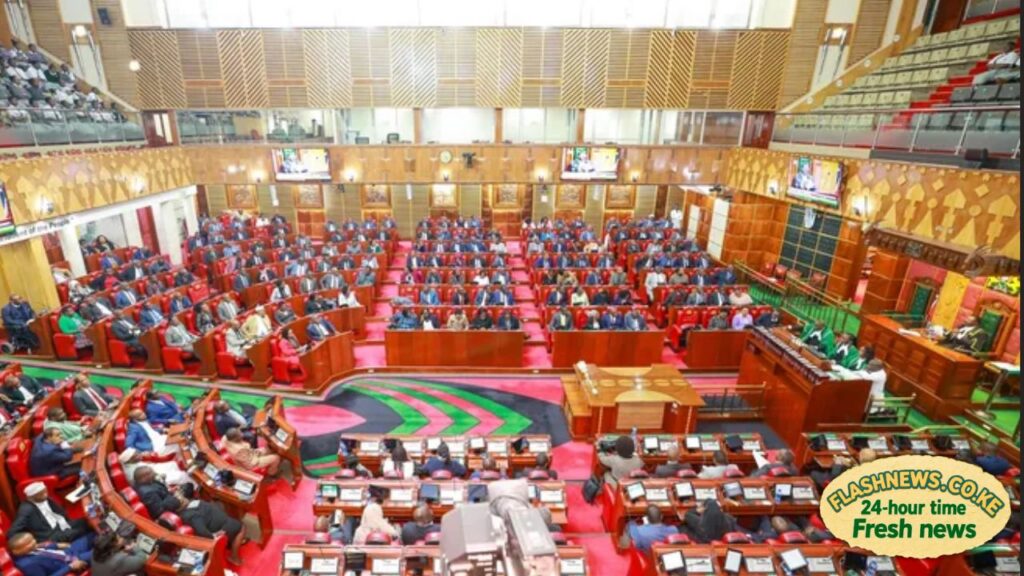
Parliament is now expected to consider the petition through its established legislative process before determining whether the proposed amendments should proceed.
Also Read: DCI to Launch New Biometric System That Could Reduce Good Conduct Processing to 24 Hours