

DCI Unveils New Biometric System That Could Cut Good Conduct Certificate Wait From 14 Days to Just 24 Hours





Kenyans applying for Certificates of Good Conduct could soon receive the crucial document in as little as 24 hours after the Directorate of Criminal Investigations (DCI) announced the rollout of a powerful new biometric identification system aimed at transforming service delivery.

The DCI confirmed that it will officially launch the Multi-Biometric Identification System – Automated Biometric Identification System Version 5 (MBIS-ABIS V5) on Monday, July 20, marking one of the agency’s biggest technological upgrades in recent years.
The new platform is expected to dramatically reduce the time taken to process Certificates of Good Conduct, replacing a system that has traditionally required applicants to wait up to two weeks before receiving the document.
In a statement announcing the rollout, the DCI said the upgraded platform would not only speed up public services but also significantly strengthen criminal investigations through improved biometric matching, enhanced identity verification and modern forensic capabilities.
“The Multi-Biometric Identification System (MBIS)-ABIS Version 5 will officially be launched on Monday, July 20,” the DCI announced, adding that the system is designed to improve service delivery while enhancing investigative efficiency.
For thousands of Kenyans seeking employment, government jobs, overseas opportunities, security clearances or university admissions, the Certificate of Good Conduct remains one of the country’s most important official documents. Any reduction in processing time could therefore have a significant impact on applicants who often require the certificate urgently.
A Major Shift From the Old Fingerprint System
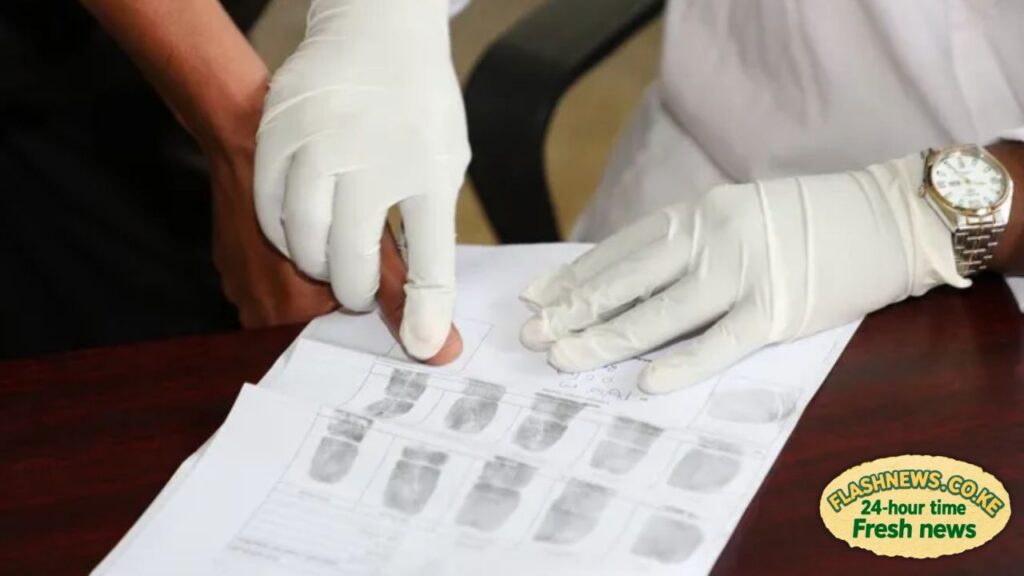
According to the DCI, MBIS-ABIS V5 replaces the ageing fingerprint identification platform that has been in operation for years.
The upgraded technology is expected to provide faster biometric searches across millions of records, reduce duplication, improve fingerprint accuracy and enable detectives to identify suspects more efficiently using advanced forensic technology.
Investigators are also expected to benefit from improved biometric matching capabilities that could accelerate criminal investigations while increasing the reliability of identity verification.
The agency believes the system will offer a smarter, faster and more secure experience for both investigators and members of the public.
Part of Kenya’s Digital Transformation
The rollout comes as the government accelerates efforts to digitise public services across multiple institutions.

In recent months, the government has introduced digital birth certificates, enabling parents and institutions to retrieve birth registration records electronically rather than relying solely on physical documents.
Authorities are also preparing to introduce a new digital national identity card aimed at strengthening secure identity verification while simplifying access to government services.
The DCI says its new biometric platform complements these initiatives by modernising the issuance of Certificates of Good Conduct and helping build a more integrated digital identity ecosystem where government agencies can verify identities faster, more securely and with greater accuracy.
Years in Development
Development of the MBIS platform has reportedly been underway for several years as the DCI sought to replace outdated biometric infrastructure with a modern system capable of handling millions of biometric records while supporting sophisticated forensic investigations.
Although the agency has not announced any changes to application procedures or processing fees, it says additional details will be released during the official launch on July 20.
Should the system perform as expected, thousands of Kenyans applying for Certificates of Good Conduct every year could soon receive the document within a day instead of waiting up to 14 days—representing one of the most significant improvements to the service in recent years.
The rollout is also expected to reinforce the government’s wider digital transformation agenda by making public services faster, more efficient and increasingly dependent on secure biometric technology.
Also Read: Ruto Declared the Money Was Paid—Then Harambee Starlets Started Chanting ‘No Money, No France’