

Parliamentary Health Committee Summons CS Duale Over Controversial US-Backed Ebola Quarantine Facility





Kenya’s planned partnership with the United States to establish an Ebola quarantine facility has come under intense scrutiny after Parliament’s Health Committee summoned Health Cabinet Secretary Aden Duale and senior ministry officials to explain the controversial arrangement.

The committee has directed Duale and relevant officials to appear before lawmakers next Tuesday as concerns mount over the government’s approval of the proposed quarantine centre, which was expected to be established in Laikipia County.
The parliamentary intervention comes just days after the High Court issued conservatory orders suspending the implementation of the project, dealing a significant blow to the planned initiative.
High Court Halts Facility
In a ruling delivered on Friday, May 29, the High Court temporarily stopped the establishment of the Ebola quarantine centre following an urgent petition filed by the Katiba Institute at the Milimani Law Courts.
The court further warned that any individual, institution or government agency found violating the conservatory orders could face legal and penal consequences.
Katiba Institute argued that the proposed arrangement raises serious constitutional, legal and public health concerns that require judicial examination before any implementation can proceed.
The lobby group contended that the project should not move forward until the courts determine whether it complies with Kenya’s constitutional framework and public health safeguards.
Duale Defends Government Position
Amid growing public criticism, Health CS Aden Duale sought to reassure Kenyans on May 28, insisting that any international agreement involving Ebola-exposed foreign nationals would be governed strictly by Kenyan law.
Duale stated that all public health measures would be implemented under established national regulations and in accordance with stringent biosafety protocols designed to protect citizens.
“We will only operate within the framework of Kenya’s public health laws and internationally accepted safety standards,” Duale said while responding to concerns over the proposed arrangement.
However, his assurances have done little to calm critics, who argue that bringing Ebola-exposed individuals into the country could unnecessarily expose Kenya to heightened health risks.
Public Anxiety Grows
The proposal has triggered widespread debate across the country, with many Kenyans drawing comparisons to the Covid-19 pandemic, which forced the government to impose strict containment measures including airport screenings, quarantine centres, movement restrictions and curfews.
For many citizens, the idea of intentionally receiving individuals exposed to one of the world’s deadliest viral diseases has reignited fears of another potential public health crisis.
Health experts note that while quarantine facilities are designed to prevent disease transmission, public concern remains high due to Ebola’s severe symptoms and historically high fatality rates.
The controversy has been amplified by reports indicating that the facility was expected to become operational within a week.
According to available information, the project would initially comprise a 50-bed field hospital with the capacity to expand to as many as 250 beds if necessary.
Reports further suggested that personnel from the U.S. Public Health Service would be involved in staffing and operating the facility.
US Funding Commitment
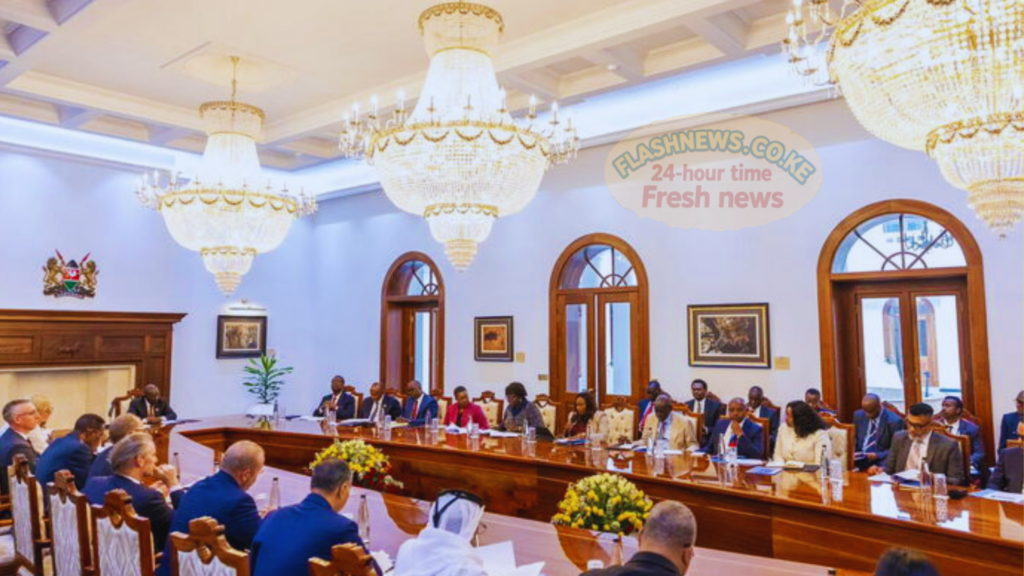
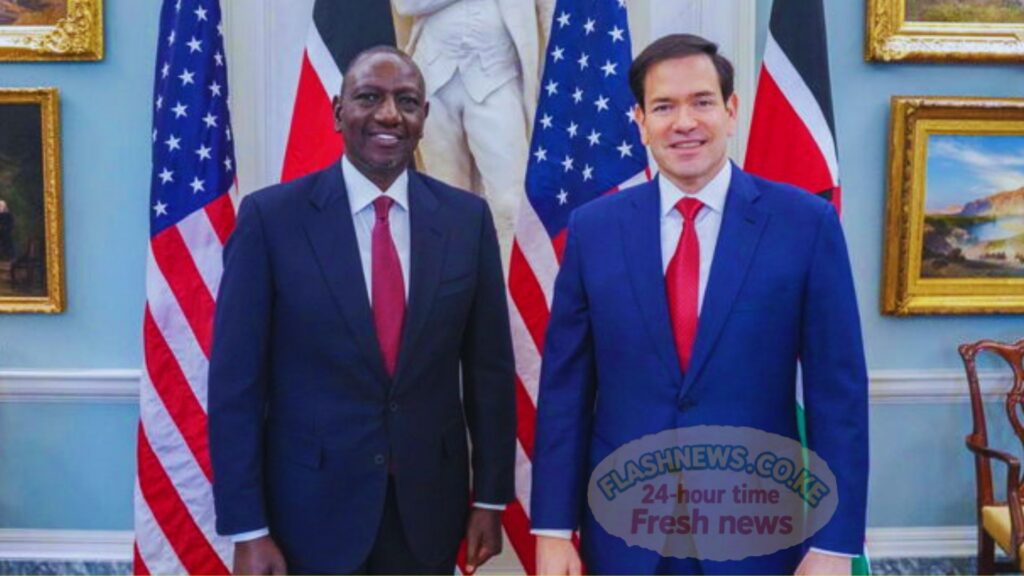
The developments unfolded shortly after President William Ruto held a telephone conversation with U.S. Secretary of State Marco Rubio on Thursday evening.
Following the discussions, the U.S. Department of Foreign Assistance reportedly confirmed a commitment of approximately KSh1.74 billion to support Kenya’s Ebola preparedness and response capacity.
The funding was intended to strengthen surveillance systems, emergency response capabilities and preparedness measures amid growing concerns about Ebola outbreaks reported in neighbouring countries, including Uganda and the Democratic Republic of Congo.
With Parliament now demanding answers and the courts having temporarily halted the project, the future of the proposed quarantine facility remains uncertain as legal and political scrutiny intensifies.
Also Read: Kenya Gives Green Light to U.S.-Backed Ebola Quarantine Centre in Laikipia