


Education stakeholders have urged Parliament to reject proposals to reintroduce corporal punishment in Kenyan schools, warning that bringing back caning could undermine learners’ constitutional rights, expose children to physical abuse and create further challenges in the management of student discipline.
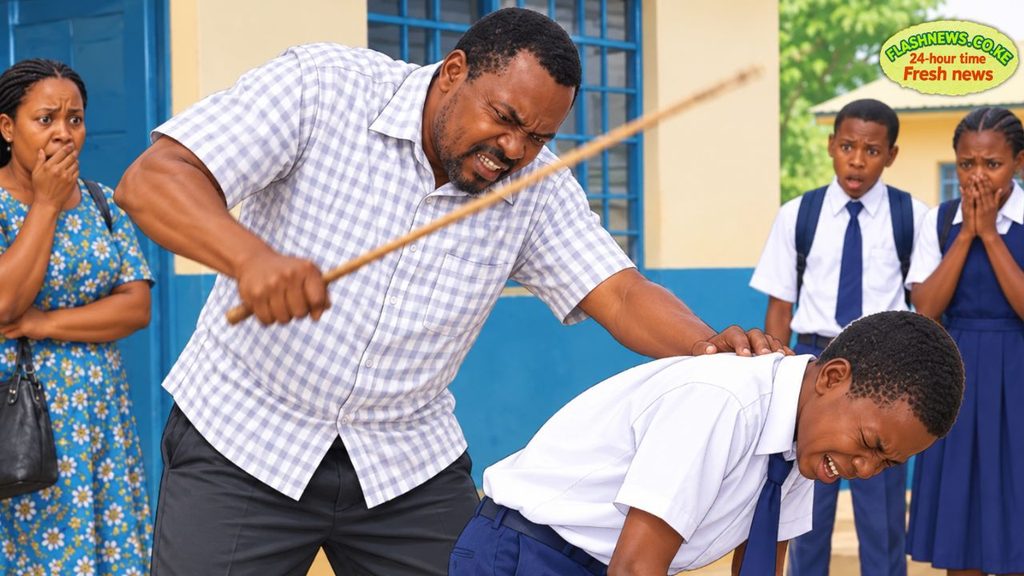
The stakeholders have instead called for a comprehensive approach to discipline that places greater emphasis on character development, moral values and shared responsibility between parents, teachers and other education stakeholders.
The concerns were raised during submissions before the National Assembly Education Committee, where education representatives expressed their opposition to proposals seeking to restore corporal punishment as a disciplinary measure in learning institutions.
The debate comes amid growing discussions about student behaviour, school discipline and the challenges teachers face when dealing with cases of misconduct in classrooms and other school environments.
Although maintaining discipline remains an important responsibility in every learning institution, the stakeholders argued that physical punishment should not be considered the appropriate solution to the challenges facing schools.
They maintained that schools should adopt alternative disciplinary approaches that correct learners’ behaviour while respecting their dignity, safety and fundamental rights.
Why Education Stakeholders Oppose the Return of Caning in Schools
Moses Wekono, chairman of the Unified APBET Schools Association-Kenya (UASA-KENYA), warned that reintroducing corporal punishment could create legal and practical complications, particularly because of the constitutional protections afforded to children.
Speaking to the media on Friday, October 30, 2026, Wekono argued that the proposed return of caning could conflict with the Bill of Rights under the Constitution of Kenya.
He also pointed to previous experiences in which some teachers allegedly misused corporal punishment by administering excessive or unfair physical punishment to learners.
According to Wekono, allowing teachers to return to a disciplinary system that was previously associated with abuse could expose students to similar problems.
He observed that the challenge was not simply about whether schools needed stronger disciplinary measures, but also about ensuring that any method adopted protected learners from unfair treatment.
Wekono cautioned that reinstating corporal punishment could complicate the education system instead of providing a lasting solution to indiscipline.
His concerns reflect a wider debate about how schools can maintain order without exposing children to physical punishment or practices that could undermine their rights.
Value-Based Education Proposed as an Alternative to Caning
Instead of bringing back corporal punishment, Wekono called on learning institutions to strengthen value-based education and character development.
He argued that discipline should be built through consistent teaching of positive values, responsible decision-making and good conduct rather than relying primarily on physical punishment.
According to the UASA-KENYA chairman, schools should make character development an important part of everyday learning.
He maintained that learners need guidance on values such as respect, honesty, responsibility, accountability and peaceful coexistence.
Wekono further suggested that educational institutions should deliberately incorporate value-based learning into their daily activities to help students understand the importance of responsible behaviour.
His position is that discipline should not only involve correcting mistakes after they happen. Schools should also equip learners with the values and personal qualities that help prevent misconduct.
Under this approach, teachers would play an important role in guiding students, identifying behavioural challenges and encouraging positive relationships within learning institutions.
Character development would also help learners understand the consequences of their actions and develop the ability to make responsible choices both inside and outside school.
The stakeholders believe that such an approach could provide a more sustainable way of addressing indiscipline without returning to physical punishment.
UASA Secretary-General Says Parents Must Share Responsibility for School Discipline
UASA Secretary-General Christopher Barasa also rejected the suggestion that teachers should carry the entire responsibility for disciplining learners.
Barasa argued that maintaining discipline should be a collective responsibility involving parents, teachers and other relevant stakeholders.
He explained that children’s behaviour is influenced by the environment in which they grow up, making parental involvement an important part of the discipline process.
According to him, efforts to improve student conduct should begin at home before being reinforced in schools.
Barasa maintained that teachers cannot be expected to solve every behavioural challenge independently, particularly when some of the habits and attitudes that affect learners’ conduct develop outside the classroom.
He called for closer cooperation between families and learning institutions to ensure that children receive consistent guidance.
The UASA official also cautioned against an approach that would leave individual teachers solely responsible for administering punishment whenever students break school rules.
He described discipline as a shared responsibility rather than an issue that should be handled by one person.
Under this arrangement, parents would be expected to reinforce good behaviour at home, while teachers would continue guiding learners and implementing appropriate school disciplinary procedures.
Such cooperation, the stakeholders argued, could help address behavioural problems more effectively and reduce unnecessary confrontations between teachers, learners and parents.
Debate Over Student Indiscipline Reopens Questions About School Discipline
The submissions before the National Assembly Education Committee come at a time when the management of student discipline remains an important concern within Kenya’s education sector.
Schools are expected to provide safe and orderly learning environments where students can concentrate on their studies, respect school regulations and develop the skills needed for responsible adulthood.
However, dealing with misconduct can be challenging for teachers and school administrators, particularly when disciplinary problems affect classroom learning, relationships among students and the general running of institutions.
The renewed debate over corporal punishment has therefore raised important questions about the disciplinary measures that should be available to schools.
Supporters of stronger disciplinary action have raised concerns about the need to give teachers effective ways of managing unruly behaviour.
On the other hand, opponents of corporal punishment argue that restoring caning could expose learners to physical harm and create opportunities for the misuse of authority.
For education stakeholders opposing the proposal, the priority should be finding disciplinary approaches that correct behaviour without compromising children’s rights.
They maintain that discipline and the protection of learners should not be treated as competing objectives. Instead, both should form part of a responsible education system.
What the Debate Means for Teachers, Parents and Learners
The discussion surrounding the proposed return of caning has implications for different groups within Kenya’s education system.
For teachers: The debate highlights the need for effective classroom management strategies, professional guidance and appropriate procedures for addressing student misconduct. Teachers require support from parents and school administrators rather than being left to handle every disciplinary challenge alone.
For parents: The stakeholders’ submissions underline the importance of teaching children good behaviour at home. Parental involvement can reinforce the values and expectations introduced in schools.
For learners: The debate highlights the importance of protecting children’s dignity and rights while ensuring that schools remain disciplined environments. Students also have a responsibility to follow school rules, respect teachers and treat fellow learners appropriately.
For school administrators: Institutions may need to strengthen their approaches to behavioural management, parent engagement and character development to address misconduct without relying on physical punishment.
The discussion also places greater emphasis on the need for schools to establish clear disciplinary procedures that are fair, consistent and focused on correcting behaviour.
Why Corporal Punishment Remains a Sensitive Issue in Kenya
Corporal punishment has remained a controversial subject in education because of concerns about the physical and psychological effects of using force to discipline children.
In Kenya, corporal punishment was outlawed in schools, making proposals to restore caning a significant policy and children’s rights issue.
Those opposing its return argue that allowing physical punishment could undermine existing protections and create difficulties in ensuring that teachers exercise disciplinary authority fairly.
Wekono’s concerns about previous cases of excessive punishment also demonstrate why the stakeholders believe that reinstating caning could be problematic.
They argue that discipline should be achieved through approaches that promote positive behaviour, respect and accountability rather than fear of physical punishment.
The debate therefore extends beyond the question of whether students should face consequences for breaking school rules. It also concerns the type of education environment Kenya wants to establish for its children.
What Happens Next as Parliament Considers the Proposal?
With education stakeholders presenting their views before the National Assembly Education Committee, the debate over corporal punishment is likely to remain an important issue in discussions about school discipline.
The submissions have placed children’s constitutional rights, teachers’ responsibilities and parental involvement at the centre of the conversation.
The stakeholders want Parliament to consider alternative approaches that address student misconduct while protecting learners from physical punishment.
Their position is that effective discipline requires cooperation between schools and families, supported by value-based education and consistent character development programmes.
Whether the proposals to reintroduce caning receive further consideration, the wider challenge remains finding practical ways to improve discipline in Kenyan schools without compromising the rights and welfare of learners.
For now, education stakeholders opposing the return of corporal punishment are calling for Parliament to prioritise approaches that promote responsible behaviour, strengthen the relationship between parents and teachers, and create safer learning environments for children across the country.
Also Read: KMTC to Review Courses After MPs Raise Concern Over Graduate Unemployment: What Students Should Know