






Explained: Why President Ruto Continues to Use Chartered Flights for International Travel
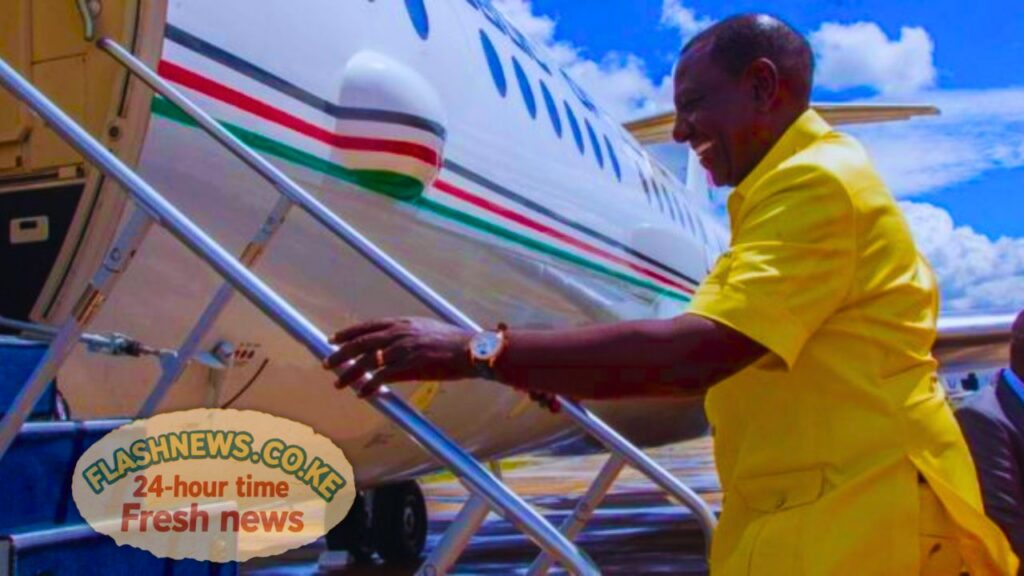
Questions surrounding Kenya’s presidential air transport arrangements have resurfaced after President William Ruto once again travelled aboard a privately chartered jet during his latest state visit to South Africa.
The Head of State arrived in Pretoria on Wednesday evening for a three-day state visit at the invitation of South African President Cyril Ramaphosa, with flight tracking data indicating that he departed Nairobi aboard a Boeing 737-800 BBJ2 executive aircraft.
The luxury jet, operated by UAE-based Empire Aviation Group, has become a familiar sight during some of President Ruto’s recent international engagements, reigniting public debate over the status of Kenya’s official presidential aircraft.
Traditionally, Kenyan presidents undertaking official foreign trips travel aboard the country’s Fokker 70 presidential jet, which was acquired in 1995 and has served successive administrations for nearly three decades.
However, the ageing aircraft has reportedly been out of service since August 2025 after being flown to the Netherlands for extensive maintenance and technical assessments amid growing concerns over its reliability and operational costs.
A major challenge facing the aircraft is the scarcity of spare parts. The Dutch manufacturer Fokker ceased operations in 1996, making long-term maintenance increasingly difficult and expensive.
As a result, reports have emerged suggesting that the government is considering retiring the aircraft altogether in 2026. Despite the speculation, authorities have yet to publicly announce a replacement plan or provide clarity on the future of presidential air travel.
The continued use of chartered aircraft has attracted criticism from some quarters, with opponents questioning both the symbolism and financial implications of hiring private jets for official state business.
The issue first drew widespread attention during President Ruto’s high-profile visit to the United States, when reports claimed that a chartered Boeing Business Jet used for the trip had cost taxpayers approximately KSh194 million (USD 1.5 million).
President Ruto strongly disputed those claims at the time.
Addressing the controversy, he argued that the aircraft had been secured through diplomatic and business connections at a significantly reduced cost.
“The aircraft that took me to the United States did not cost KSh200 million. It cost KSh10 million,” Ruto said, dismissing reports suggesting the government had spent substantially more.
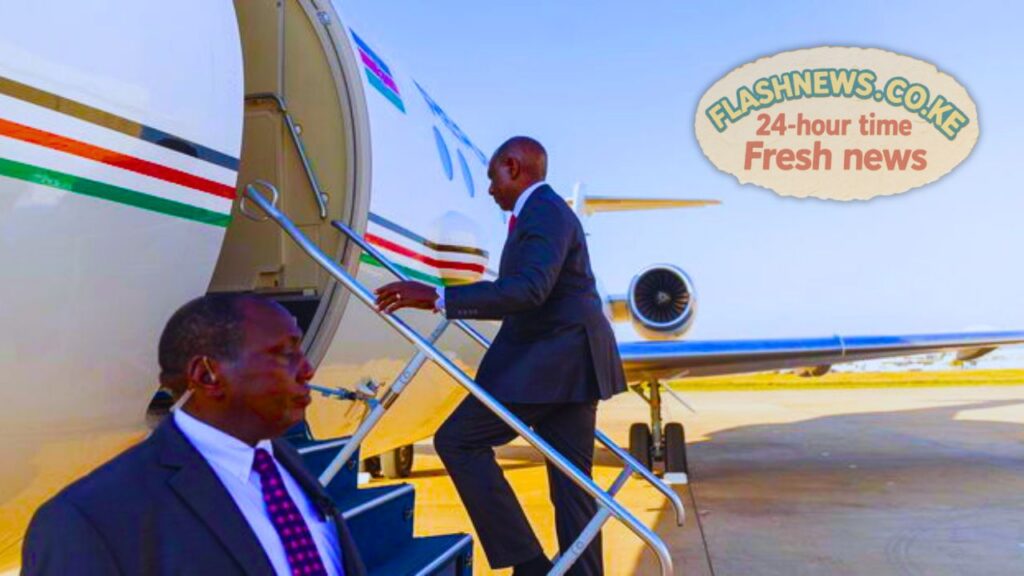
Supporters of the charter arrangements have argued that hiring aircraft on an as-needed basis may be more economical than maintaining an ageing presidential fleet that requires frequent repairs and costly sourcing of obsolete components.
Critics, however, maintain that the lack of transparency regarding charter costs and the absence of a long-term strategy for presidential transport continue to raise legitimate questions.
As of June 2026, neither State House nor the Ministry of Defence has formally announced whether Kenya intends to purchase a new presidential aircraft, lease one, or continue relying on chartered flights for future international engagements.
Until a definitive decision is made, President Ruto’s travel arrangements are likely to remain under public scrutiny whenever he undertakes official trips abroad.
Also Read: Govt to Use Housing Levy as Security for Ksh100 Billion Affordable Housing Loan