






Tanzanian MP Jesca Msambatavangu Invites Kenyan Gen Z to WhatsApp Dialogue, Plans Live Session Saturday
In a rare move amid growing diplomatic tensions between Tanzania and Kenya, Iringa Town Member of Parliament (MP) Jesca Msambatavangu has extended an invitation to Kenyan youth—particularly members of Generation Z—to engage in open dialogue through a WhatsApp group and a scheduled live session on Saturday. The initiative follows a public backlash against Tanzanian lawmakers after the recent detention and deportation of two East African activists.
Diplomatic Friction Sparks Public Discourse
The diplomatic rift intensified following the controversial arrest and deportation of prominent Kenyan activist Boniface Mwangi and Ugandan journalist Agather Atuhaire on May 18, 2025. The two individuals had traveled to Tanzania to observe the ongoing legal proceedings involving opposition leader Tundu Lissu. According to multiple reports, Mwangi and Atuhaire were detained without access to communication, allegedly mistreated while in custody, and subsequently deported under unclear circumstances.
These events have drawn widespread condemnation from human rights groups, political observers, and civil society across East Africa and beyond. In Kenya, the news galvanized public anger, particularly among the youth, with many taking to social media platform X (formerly Twitter) to demand accountability. Users circulated contact information for Tanzanian MPs, urging citizens to express their dissatisfaction directly.
Msambatavangu’s Diplomatic Response
Among those who received a high volume of direct messages was MP Jesca Msambatavangu. Rather than responding with hostility, the lawmaker embraced the outreach and expressed appreciation for the open communication.
“I thank our Kenyan brothers and sisters. We were chatting until 3 a.m. before I paused to attend parliamentary duties,” Msambatavangu stated, reflecting on the overnight exchanges with Kenyan citizens.
Taking a further step to de-escalate tensions and foster constructive dialogue, Msambatavangu encouraged Kenyan youth to organize a WhatsApp group for continued conversation. She also pledged to host a live session on Saturday to engage directly with interested parties.
“To those praising or criticising us, we must counter ideas with ideas,” she said. “Kenyans are our neighbours, our brothers, and we cannot ignore each other.”
Her comments signal a notable departure from the more combative stance taken by several of her colleagues in Tanzania’s Parliament.
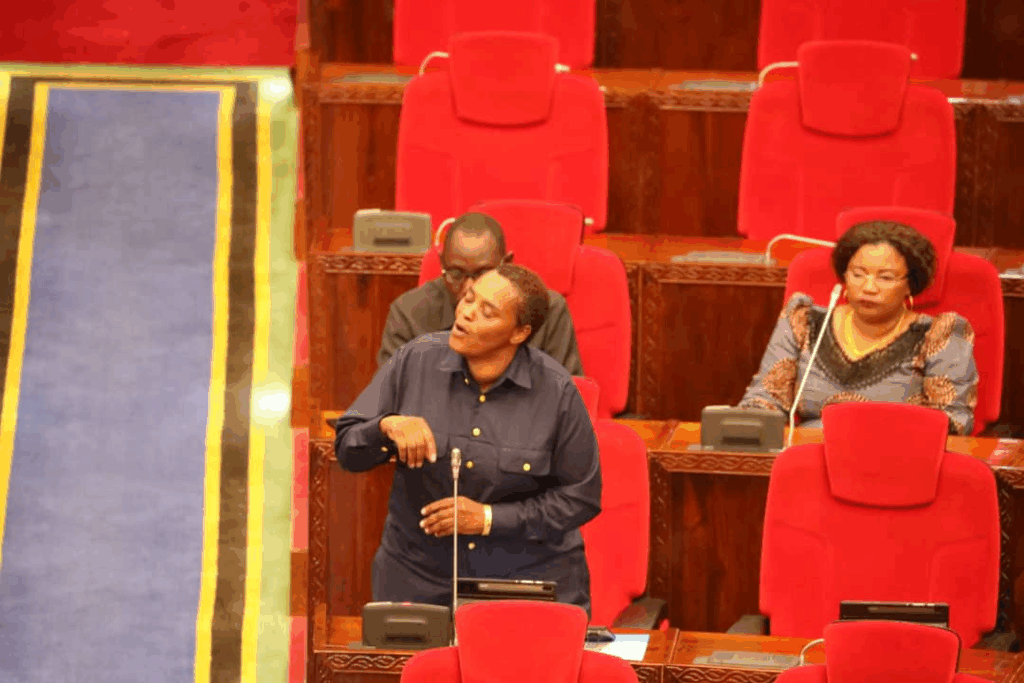
Parliamentary Debate Highlights Nationalist Sentiment
Earlier in the week, on Monday, Tanzanian lawmakers convened for a heated parliamentary session dominated by responses to the diplomatic uproar. Geita MP Joseph Musukuma offered one of the most contentious rebuttals, characterizing Kenyan criticism as unwarranted interference in Tanzania’s domestic affairs.
“We are far ahead of them politically and intellectually. We top in everything. Speaking good English isn’t a priority for us,” Musukuma declared on the parliamentary floor. His remarks, perceived by many as dismissive and inflammatory, further fanned the flames of online debate between citizens of the two neighboring countries.
Other legislators echoed similar sentiments, framing the situation as an affront to Tanzanian sovereignty. The government has yet to issue a formal explanation regarding the treatment of the detained activists, a silence that has fueled speculation and concern across diplomatic and human rights channels.
Background of the Activist Detention
The flashpoint of the controversy—Mwangi and Atuhaire’s arrest—occurred during their visit to Arusha, where opposition leader Tundu Lissu was facing legal proceedings. Lissu, a vocal critic of President Samia Suluhu Hassan’s administration, has faced repeated legal challenges and survived an assassination attempt in 2017. His supporters view the current legal proceedings as politically motivated, a claim the Tanzanian government denies.
Mwangi and Atuhaire’s presence was reportedly intended to provide independent observation and to express solidarity with Lissu. However, their sudden detention, lack of access to legal counsel, and immediate deportation raised alarms among international observers.
Several regional and global human rights organizations have since issued statements condemning the Tanzanian authorities’ actions, calling for transparency and urging respect for civil liberties and press freedom.
A Call for Dialogue in a Time of Division
Against this backdrop, Msambatavangu’s outreach appears to offer a rare opening for dialogue amid a climate of escalating rhetoric. Her invitation to Kenyan youth and emphasis on intellectual engagement suggest a strategic pivot toward diplomacy rather than defensiveness.
Political analysts have described her gesture as both symbolic and potentially impactful. “In a moment where East African solidarity is being tested, Msambatavangu’s approach could be a blueprint for how political leaders should engage with concerned citizens—regardless of borders,” said Dr. Elias Munyua, a Nairobi-based political scientist.
Kenyan reactions to Msambatavangu’s statements have been mixed but largely positive, with many social media users commending her for maintaining a respectful tone and willingness to listen. Some users have already begun organizing the proposed WhatsApp group, and anticipation is building for the upcoming live session.
Broader Implications and What Comes Next
The unfolding situation highlights deeper challenges in East African regional relations, including issues of sovereignty, freedom of expression, and political accountability. The contrasting approaches by Tanzanian lawmakers—ranging from confrontation to conciliation—also underscore the internal divisions within Tanzania’s political elite.
Should Msambatavangu’s dialogue initiative prove successful, it may encourage other legislators to adopt a more open and responsive posture in addressing cross-border concerns. It also raises questions about the role of digital engagement in diplomacy, especially among younger populations increasingly turning to social media for civic engagement.
Meanwhile, calls continue for a formal investigation into the circumstances surrounding the detention and deportation of Mwangi and Atuhaire. Activists and legal observers are urging the East African Community (EAC) to intervene and establish clear guidelines to protect the rights of individuals engaged in cross-border civil society work.
The Tanzanian government has yet to announce whether it will respond to these demands or offer further clarification on the incident.
As diplomatic tensions simmer between Tanzania and Kenya over the recent deportation of regional activists, Jesca Msambatavangu’s initiative to engage Kenyan youth directly may serve as a model for peaceful engagement and cross-border solidarity. While her invitation for a WhatsApp dialogue and a live Q&A session stands in stark contrast to more nationalistic rhetoric from her peers, the long-term impact of her actions remains to be seen.
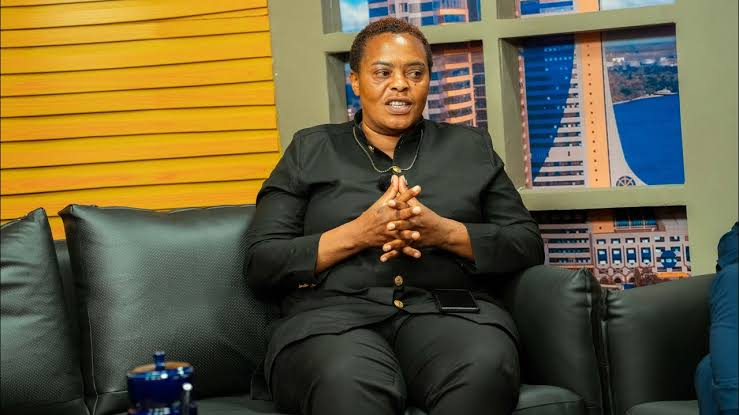
The outcome of this weekend’s live session—and the response it garners from both Tanzanian and Kenyan audiences—may offer insight into whether grassroots diplomacy can bridge the divide between two closely linked yet currently strained East African nations.
Tanzanian MP Jesca Msambatavangu Invites Kenyan Gen Z to WhatsApp Dialogue, Plans Live Session Saturday