

U.S. Pulls Back UN Support for Somalia Anti-Al-Shabaab Mission in Major Blow to Regional Security





The United States has announced that it will no longer support United Nations-funded logistical assistance for the African Union’s peacekeeping mission in Somalia after 2026, a decision that could significantly undermine regional efforts to combat the Al-Shabaab terrorist group.

According to diplomatic documents reviewed by Reuters, Washington has formally informed the African Union (AU) that it will not back the continuation of the United Nations Support Office in Somalia (UNSOS) beyond the expiry of its current mandate at the end of 2026.
The move represents a major shift in U.S. foreign policy towards Somalia and raises fresh concerns over the future of the African Union Support and Stabilisation Mission in Somalia (AUSSOM), which depends heavily on UN logistical backing to sustain military operations against Al-Shabaab.
UNSOS currently provides essential operational support to peacekeeping forces, including food supplies, fuel, clean water, medical care, engineering services and transportation—resources considered vital for maintaining combat operations across Somalia.
Although Washington indicated it would not oppose the UN Security Council renewing AUSSOM’s mandate, it made clear it would no longer support any extension that includes continued UN-funded logistical or operational assistance.
The decision leaves approximately 12,000 African Union personnel facing uncertainty over how future operations will be financed and sustained if alternative funding arrangements are not secured.
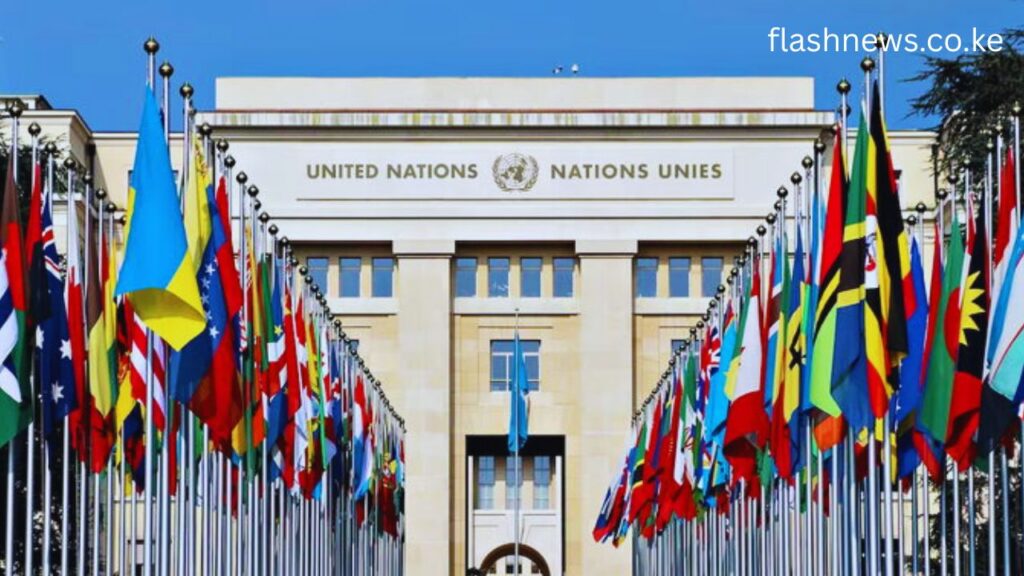
Trump Administration Signals Policy Shift
The decision marks another significant change in U.S. policy under President Donald Trump’s administration, which has increasingly questioned the effectiveness of long-running international security missions.
U.S. officials argue that despite years of substantial financial assistance, Somalia has made insufficient progress in building self-sustaining national security institutions capable of independently confronting the Al-Shabaab insurgency.
In comments to Reuters, a spokesperson for the U.S. State Department said Washington has invested nearly KSh260 billion in supporting Somalia’s security efforts but believes the mission has failed to achieve its intended objectives.
“We should not continue to fund a mission that has not met core objectives and diverts resources away from security priorities with more immediate and direct implications for U.S. interests,” the spokesperson said.
The administration has also cited persistent political divisions within Somalia and the continued resilience of Al-Shabaab as evidence that the existing model requires reassessment.
African Union Warns of Serious Consequences
The African Union has already cautioned member states that the U.S. withdrawal of support could have far-reaching consequences for the mission’s operational capability, financial sustainability and logistical effectiveness.
Without UN-backed assistance, troop-contributing countries may face increased pressure to finance supplies, transport and medical services independently, potentially affecting the mission’s ability to conduct counter-terrorism operations.
United Nations spokesperson Stéphane Dujarric confirmed that the organisation is aware of Washington’s decision and said consultations are ongoing with relevant stakeholders to determine the next course of action.
Kenya’s Security Interests
The development carries particular significance for Kenya, one of the largest contributors of troops to AU peacekeeping operations in Somalia.
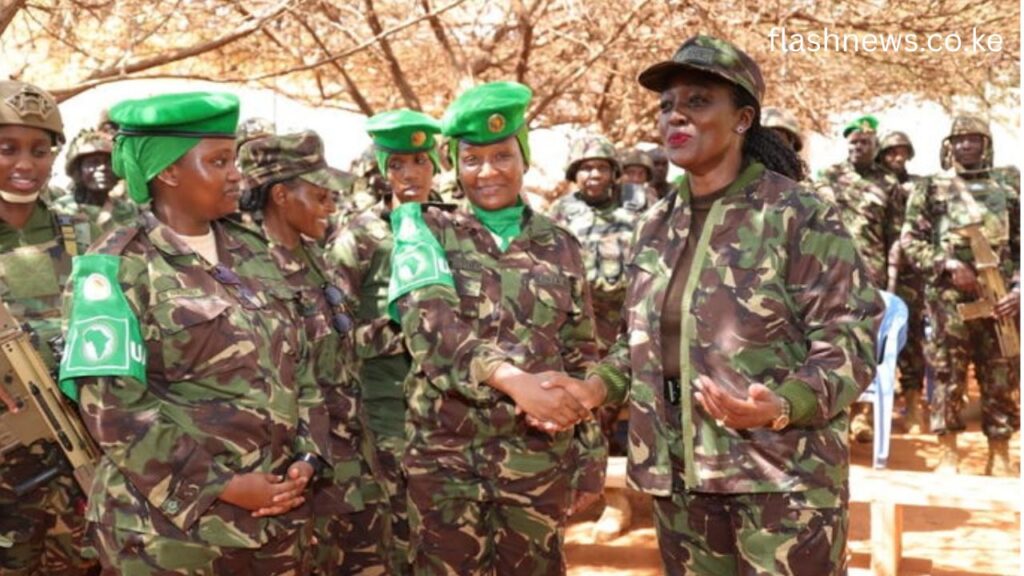
Kenyan forces first entered Somalia in 2011 under Operation Linda Nchi to pursue Al-Shabaab militants following a series of cross-border attacks before later integrating into the African Union mission.
Today, Kenyan troops continue serving under AUSSOM alongside military personnel from Burundi, Djibouti, Ethiopia and Uganda, playing a central role in efforts to stabilise Somalia and prevent extremist attacks across the region.
Security analysts warn that any disruption to logistical support could weaken counter-terrorism operations at a time when Al-Shabaab remains one of East Africa’s most persistent security threats.
Whether alternative funding partners emerge before the end of 2026 may determine the future effectiveness of the African Union mission—and the wider regional fight against terrorism.