

UK Cancels Planned Military Exercise in Kenya After Licence Delay as Questions Mount Over Defence Pact





A planned British military training exercise in Kenya has been cancelled and moved to another country after the United Kingdom failed to secure the licences required from Kenyan authorities, in a development that could reignite debate over the future of defence cooperation between Nairobi and London.
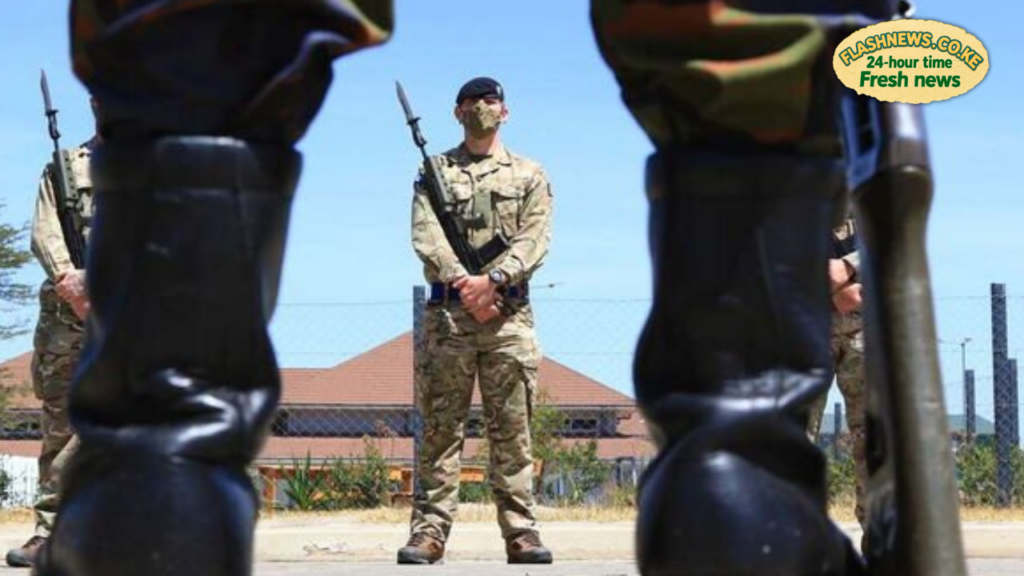
The UK’s Ministry of Defence confirmed that one of the British Army Training Unit Kenya (BATUK) exercises scheduled to take place in Laikipia later this year will no longer be held in Kenya, citing delays in obtaining the necessary approvals from the Government of Kenya.
In a statement shared with Kenyans.co.ke, the ministry expressed regret over the decision, saying the exercise had been relocated because the required authorisations had not been granted.
“It is with regret that the necessary licences required to allow training to take place in Laikipia later this year have not been forthcoming. As a result, the planned training will now be conducted at an alternative location outside Kenya.”
The Ministry of Defence did not disclose the country that will now host the military exercise, nor did it indicate whether the cancellation would affect other BATUK operations already scheduled in Kenya.
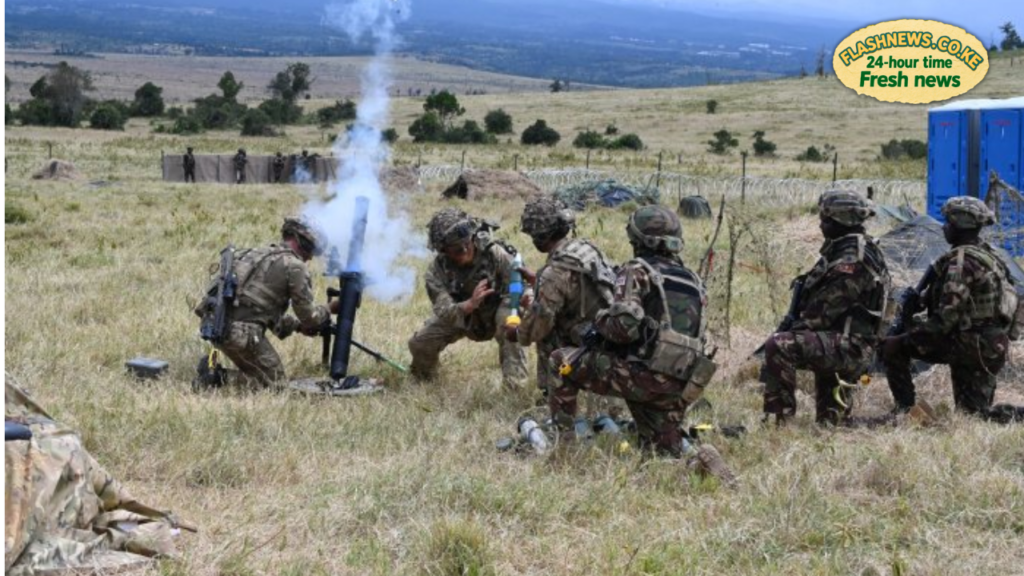
The move is expected to have economic consequences for residents of Laikipia, where British military exercises have long supported local businesses.
Whenever hundreds of British soldiers are deployed for training, hotels, landlords, transport operators, food suppliers, casual labourers and small-scale traders typically benefit from the increased demand for accommodation, goods and services.
Acknowledging the impact on local communities, the UK Ministry of Defence said it understood the disappointment the cancellation would cause.
“We recognise the disappointment this decision will cause for those who would have benefited from the economic activity generated by the exercise. All UK training activity in Kenya is dependent on the permission from the Government of Kenya.”
Timing Raises Questions
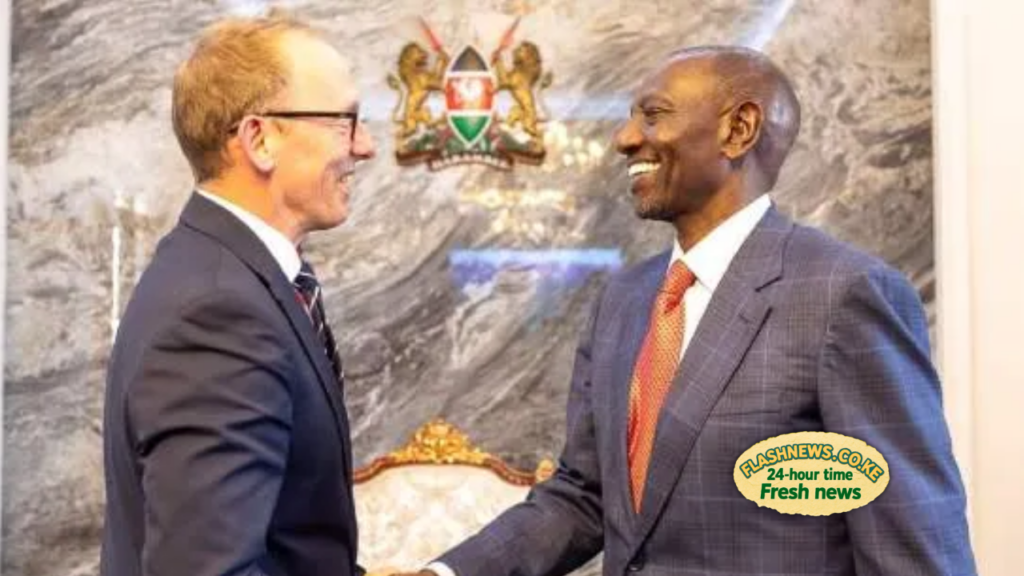
The announcement comes just a day after President William Ruto hosted the newly appointed British High Commissioner to Kenya, Matt Baugh, at State House, where the two leaders discussed bilateral relations, regional security and continued cooperation between the two countries.
The cancellation is also likely to intensify scrutiny over the future of Kenya-UK military relations, particularly as Parliament has yet to ratify the 2021 Defence Cooperation Agreement between the two nations.
The proposed agreement has remained stalled for years amid disagreements over legal jurisdiction involving British military personnel operating in Kenya.
One of the most contentious issues is Britain’s request to retain primary jurisdiction over its soldiers for offences allegedly committed while on official duty. Kenya, however, has maintained that its courts should have the authority to prosecute crimes committed on Kenyan territory.
The debate has become increasingly sensitive following the high-profile killing of Agnes Wanjiru, a Kenyan woman whose death has been linked by investigators to a British soldier. The case has fuelled public pressure for greater accountability, with lawmakers and human rights organisations demanding stronger legal safeguards before any defence agreement is approved.
The proposed defence pact has also faced criticism over allegations of environmental degradation and misconduct involving British troops during training exercises in Laikipia and Samburu counties.
While the UK government has pledged to investigate reported incidents and cooperate with Kenyan authorities, calls continue for stronger oversight, enhanced accountability and greater domestic legal jurisdiction before the agreement can move forward.
The latest cancellation is therefore likely to add another layer of uncertainty to one of Kenya’s longest-running military partnerships, even as both governments publicly affirm their commitment to maintaining close security cooperation.
Also Read: Kenya’s Life Expectancy Rises to 66.8 Years as Treasury Highlights Health Gains