


By Flash News | November 2, 2026
Meet Hon. Calvince Okumu, an aspiring Westlands MP championing human rights, community security, youth empowerment and the fight against drug abuse ahead of the 2027 General Election.
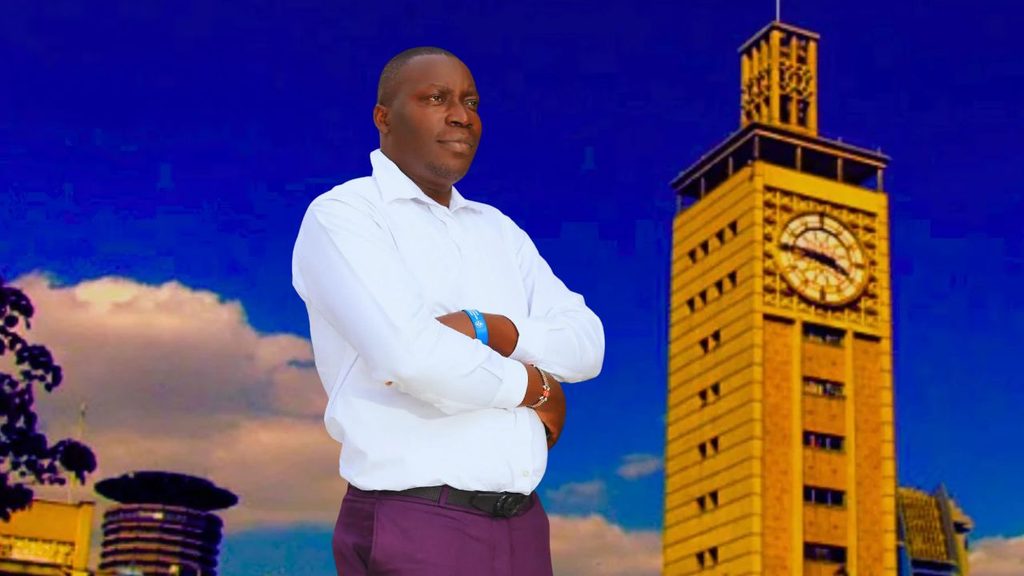
Calvince Okumu Westlands, Westlands MP 2027, human rights in Kenya, insecurity in Nairobi, youth empowerment, boda boda rights, community security.
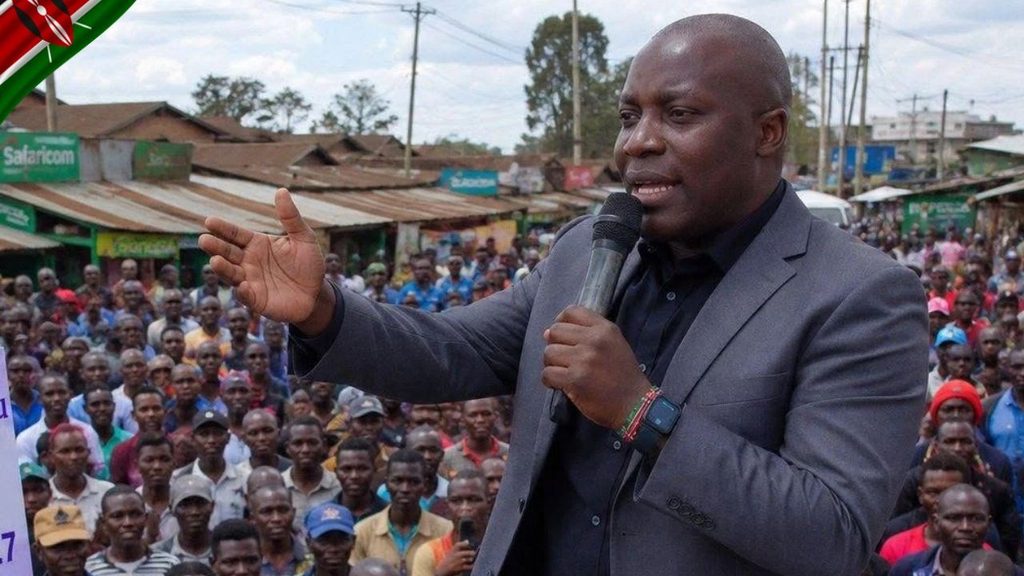
As Kenya approaches the 2027 General Election, conversations about leadership are increasingly focusing on security, human rights, unemployment and the protection of ordinary citizens. In Westlands Constituency, Nairobi, Hon. Calvince Okumu is seeking to place these issues at the centre of his political agenda.
Okumu, who is aspiring to become the Member of Parliament for Westlands, says his ambition is driven by the need to address challenges affecting ordinary residents, particularly those living in informal settlements and economically disadvantaged neighbourhoods.
His agenda focuses on protecting human rights, improving community security, fighting drug and substance abuse, creating opportunities for young people and ensuring that development reaches every part of the constituency.
His message comes at a time when questions about police accountability, public safety and the protection of fundamental freedoms remain important in Kenya’s national conversation.
Who Is Hon. Calvince Okumu?
Calvince Okumu is associated with the Digital Boda Drivers and Deliveries Association of Kenya, where he has served as a sector leader advocating for the interests and rights of motorcycle taxi operators and delivery workers.
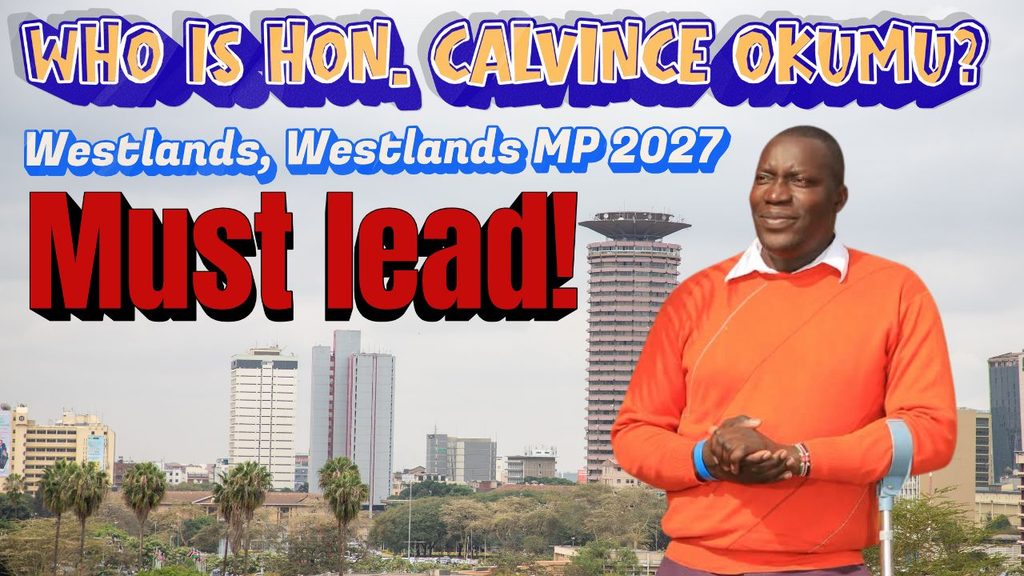
His involvement in the boda boda sector has brought him into discussions about transport regulation, the safety of riders, fair working conditions and the recognition of motorcycle operators as important contributors to Kenya’s economy.
In September 2024, Okumu and other association representatives presented a petition to Parliament seeking legislative reforms to address challenges affecting boda boda operators. The petition called for stronger regulatory protections for motorcycle transport workers.
In January 2026, he also spoke out against attacks on public service vehicles, distancing law-abiding boda boda operators from criminal acts and warning against collective punishment of people who depend on the sector for their livelihoods.
These engagements have helped position him within conversations about workers’ rights, public safety and the need for better protection of people working in the informal economy.
As he pursues his 2027 political ambition, Okumu says he wants to extend this advocacy to the wider Westlands community.
1. Human Rights: Protecting the Dignity of Every Resident
Human rights form a central part of Okumu’s proposed leadership agenda.
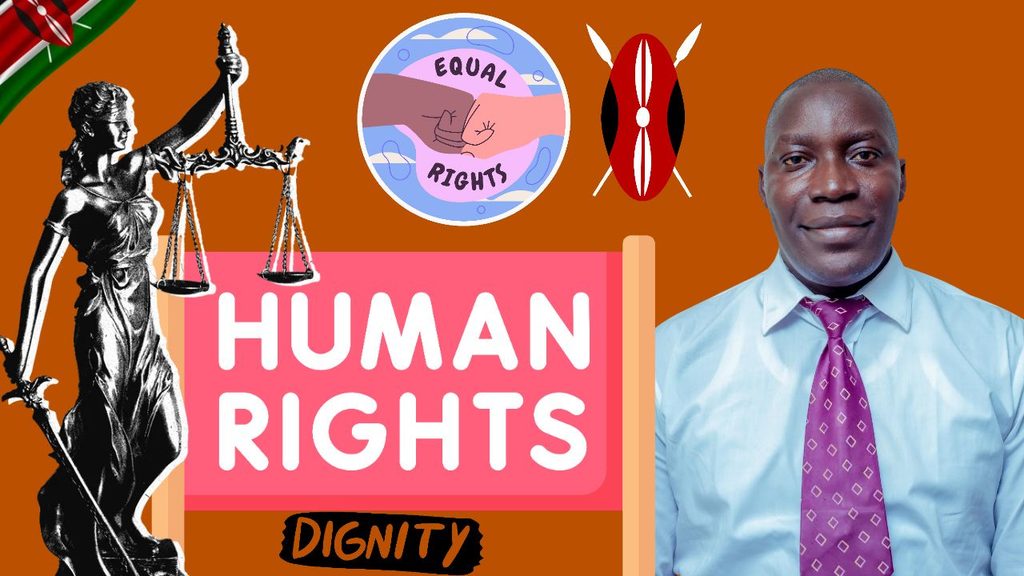
He believes that every resident deserves dignity, equal treatment and protection under the Constitution, regardless of their financial background, occupation or place of residence.
This message is particularly relevant to residents of informal settlements such as Kangemi, Deep Sea, Githogoro, Kibagare, Ndumbuini and other communities within Westlands.
Residents in these neighbourhoods may face challenges involving housing, access to basic services, evictions, sanitation and economic opportunities.
Okumu wants to champion stronger community representation and greater awareness of constitutional rights.
His proposed priorities include:
- Promoting awareness of fundamental rights and freedoms.
- Advocating for fair and lawful treatment during evictions and demolitions.
- Supporting vulnerable families seeking access to justice.
- Encouraging public participation in decisions affecting local communities.
- Advocating for the protection of women, children and persons with disabilities.
- Demanding accountability from institutions responsible for protecting citizens.
His position is that poverty should never be used as a reason to deny anyone their constitutional rights.
2. Insecurity in Westlands: The Fight Against Phone Snatching and Street Crime
Insecurity is another issue Okumu wants addressed.
Residents, workers, business owners and visitors need safe streets, reliable public spaces and effective responses to criminal activity.
Phone snatching, robbery, burglary and other forms of crime can have serious consequences for ordinary households. Losing a mobile phone, for instance, may mean losing access to mobile banking, business contacts and important personal information.
People who leave home early or return late from work can be particularly concerned about their safety.
Okumu wants to promote stronger cooperation between communities, businesses and security agencies.
His proposed interventions include improved police patrols in identified crime hotspots, better street lighting, stronger community policing and the use of appropriate surveillance technology.
He also argues that security operations must respect human rights.
The fight against crime should not become an excuse for unlawful arrests, harassment, discrimination or the mistreatment of innocent residents.
For Okumu, a safer Westlands must be a place where every person can move freely without fear.
3. Drug and Substance Abuse: Protecting the Future of Young People
Drug and substance abuse is another challenge requiring sustained attention.
Young people struggling with unemployment, poverty, peer pressure and limited opportunities can become vulnerable to substance misuse.
The effects often extend beyond the individual, affecting parents, siblings, businesses and entire neighbourhoods.
Okumu believes the response should combine law enforcement with prevention, treatment and rehabilitation.
He wants stronger collaboration between relevant government agencies, healthcare professionals, rehabilitation centres, schools, religious organisations and community groups.
His proposed approach includes public awareness campaigns, counselling, rehabilitation support, youth mentorship and opportunities for young people to participate in sports and creative activities.
He also wants authorities to take appropriate action against those involved in drug trafficking.
The broader objective is to help young people recover, rebuild their lives and access opportunities rather than allowing addiction to permanently destroy their potential.
4. Youth Unemployment: Creating Opportunities for Young People
Youth unemployment remains a concern for many households across Nairobi.
Westlands has a strong commercial environment, with businesses operating in hospitality, retail, construction, technology, transport and professional services.
However, young people living in surrounding informal settlements may struggle to access available opportunities because of limited skills, lack of capital or inadequate professional networks.
Okumu wants to encourage partnerships between local businesses, training institutions, government agencies and youth organisations.
His proposed priorities include vocational training, digital skills development, entrepreneurship support, mentorship and improved access to employment information.
He also wants young people in the informal economy to receive recognition and opportunities to improve their livelihoods.
For many young people, access to practical skills and reliable employment information could make a significant difference.
5. Defending the Rights of Boda Boda Riders and Informal Workers
Okumu’s involvement in the boda boda sector gives this issue particular importance in his public advocacy.
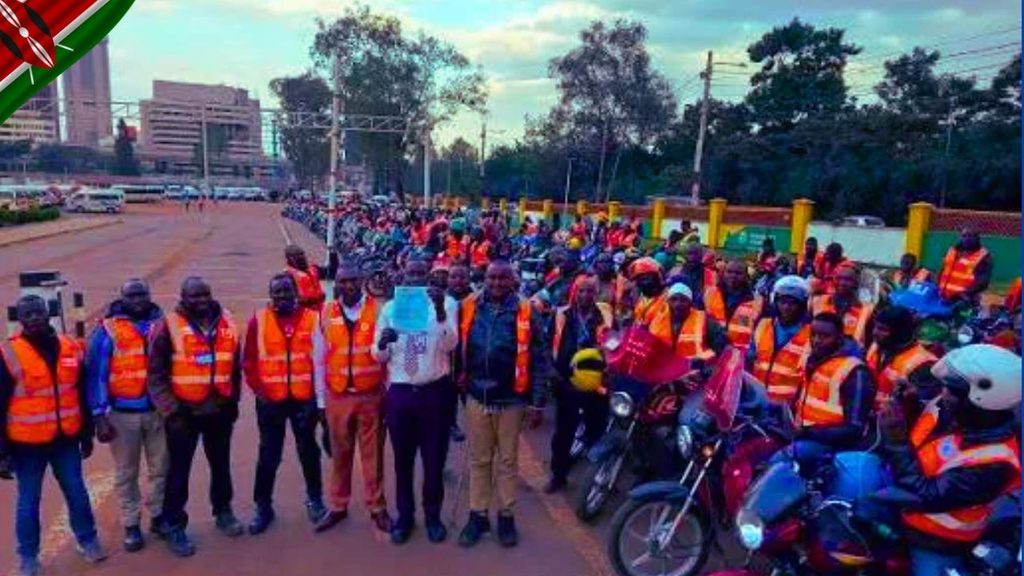
Motorcycle taxi operators and delivery workers provide essential transport services and support thousands of households.
However, workers in the sector face challenges involving safety, regulation, working conditions, exploitation and negative public perceptions.
Through his association’s engagements, Okumu has participated in efforts to push for stronger legal and regulatory protections.
His advocacy has also included calls for riders to reject violence and avoid being used by politicians to disrupt businesses or endanger lives.
He wants informal workers to be treated fairly while recognising that criminal activities must be addressed through lawful procedures.
6. Better Sanitation, Clean Water and Inclusive Development
Westlands is often associated with modern buildings, commercial centres and affluent residential areas. However, the living conditions of residents in some informal settlements present a different picture.
Access to clean water, proper drainage, waste collection and decent sanitation remains important to the wellbeing of households.
Okumu wants greater attention directed towards communities that feel left behind by development.
He proposes working with Nairobi City County and relevant service providers to advocate for better sanitation, drainage, water access and environmental management.
He also wants residents to participate in identifying their most urgent needs.
His argument is that the success of Westlands should not be measured only by the growth of businesses and modern buildings, but also by improvements in the lives of ordinary families.
7. His Personal Story and Motivation for Leadership
In outlining his leadership ambition, Okumu has spoken about experiences that shaped his understanding of hardship.
He recalls growing up in a humble background, where raising money for school fees was not always easy. He says he participated in farming activities, including planting onions and sugarcane, to help support his education.
He also remembers the difficult experience of losing his family’s home to fire in Deep Sea.
Such experiences, he says, have influenced his interest in the challenges facing vulnerable families and people struggling to secure decent living conditions.
His engagement with community members and informal workers has further shaped his interest in human rights, security and economic empowerment.
He wants leadership to be measured by how effectively it responds to people’s everyday problems.
8. What Would His 2027 Leadership Agenda Mean for Westlands?
Turning political promises into practical results would require cooperation with different government institutions.

As an aspiring Member of Parliament, Okumu would operate within the constitutional responsibilities of the National Assembly, including representation, legislation and oversight.
He would also need to work with national government agencies responsible for security and Nairobi City County, which oversees important local services.
His proposed agenda therefore raises several questions that residents can use to assess his candidacy:
- What practical measures would he pursue to improve security?
- How would he advocate for residents facing human rights concerns?
- What partnerships would he establish to support unemployed young people?
- How would he monitor the use of public resources?
- How frequently would he engage residents across Westlands?
- What measurable targets would he set for his proposed development priorities?
These are important questions for any candidate seeking public office.
Ultimately, residents will want to understand not only what a candidate promises, but also how those promises can be implemented and monitored.
Reclaiming Westlands Through Security, Dignity and Accountability
Calvince Okumu’s proposed 2027 agenda places human rights, insecurity, youth unemployment, drug abuse and the welfare of informal workers at the centre of the conversation about Westlands.
His advocacy draws partly from his engagement with the boda boda sector and his stated interest in the challenges affecting vulnerable communities.
As the election approaches, his challenge will be to demonstrate how his proposals can translate into practical, measurable and accountable action.
For residents of Kangemi, Deep Sea, Githogoro, Kibagare, Ndumbuini and other parts of Westlands, the issues are immediate: safe neighbourhoods, access to services, economic opportunities and respect for their rights.
The constituency’s political future will depend on the ability of its leaders to respond to these concerns.
For Okumu, the message is that development must include everyone — not only those living in affluent neighbourhoods, but also the workers, families and young people whose contribution keeps Westlands moving.
How to Contact Hon. Calvince Okumu
Residents, community organisations, youth groups, business owners and other stakeholders who want to engage with Calvince Okumu or learn more about his public activities can reach him through the social media platforms shared for his public engagement.
Facebook: https://www.facebook.com/share/18bmZc1shA/
X (formerly Twitter): https://x.com/calvince_okumu
X handle: @calvince_okumu
Residents can follow these platforms for updates, share concerns affecting their communities and engage with discussions about his proposed Westlands agenda.
Flash News will continue following political developments and leadership conversations ahead of the 2027 General Election.
Also Read: Four Kenyan Political Parties Announce Leadership and Headquarters Changes Ahead of 2027 Elections